Archive for:

Author Archive for Admin – Page 2

How to Schedule Parking Lot Striping Without Disrupting Operations

In a city like Denver—where everything from LoDo restaurants to Englewood business parks thrives on consistent customer flow—timing is everything.

If your business relies on a busy parking lot, the last thing you want is to block access for striping during peak hours. But ignoring worn-out lines isn’t an option either. Faded striping leads to traffic confusion, ADA non-compliance, and a poor first impression.

The good news is, with the right planning, you can schedule parking lot striping in Denver without disrupting your daily operations.

At Colorado Pavement Solutions, we’ve helped businesses near Cherry Creek, along Colfax, and out in Stapleton navigate this exact challenge.

Here’s how we recommend doing it—step by step.

Key Takeaways

  • Parking lot striping in Denver works best when planned to match quiet times and avoid customer inconvenience.
  • The right schedule comes from checking traffic flow, choosing smart days, and dividing work into clear sections.
  • Quick-drying paints, advance notices, and following ADA rules keep lots safe, compliant, and ready for quick use.
  • Colorado Pavement Solutions provides local expertise to complete striping projects while keeping businesses open and customers happy.

Start with a Site Evaluation Outside of Peak Hours

Before you do anything, have a professional evaluate your parking lot during a low-traffic window—typically early morning or later evening.

In high-traffic Denver areas like South Broadway or Federal Boulevard, it’s critical to observe how cars flow at different times of day and week. This helps us identify natural downtime in your schedule.

If you’re a medical office in Glendale or a retail store in the Highlands, your peak hours will vary, and our job is to work around those patterns with minimal interference.

Choose the Right Day Based on Your Business Type

Weekends work well for some, but not all. For example, striping on a Sunday might work for a Capitol Hill law firm, but would be a nightmare for a Pearl Street brunch spot. For industrial businesses in areas like Sun Valley or near I-70, midweek might offer the most flexibility.

We always advise clients to consider holidays, seasonal events like the Taste of Colorado, and even Broncos game days, which can drastically affect traffic flow in and out of a lot.

Break the Project Into Phases If Needed

In larger lots—such as those in big-box retail centers around Northfield or tech campuses in the Denver Tech Center—it’s often smarter to split the job into sections. Phased striping allows half the lot to remain open while the other is being worked on.

This approach keeps your doors open and minimizes confusion.

We also coordinate signage and cones to clearly guide vehicles and pedestrians, especially in lots with multiple entry points.

Use Quick-Drying, High-Quality Striping Paints

Denver’s dry climate helps striping paints cure faster, but we still use fast-drying, traffic-grade materials that allow cars back on the lot within hours.

For high-turnover businesses in neighborhoods like Five Points or Uptown, this is a must. Products that meet or exceed DOT and MUTCD standards ensure compliance while minimizing downtime.

We also pay close attention to early morning temperatures—especially during spring and fall—to avoid issues with curing times.

Communicate Clearly with Tenants, Customers, and Staff

Transparent communication can make or break a smooth striping job. We help you notify tenants in multi-use buildings near City Park or customers in busy spots like Tennyson Street with signage, flyers, and digital reminders.

The more advanced notice your staff and patrons have, the less disruption you’ll face.

We also make sure our crews are easy to identify and provide real-time updates to managers on-site when needed.

Coordinate with Local Regulations and Accessibility Standards

Denver enforces strict ADA compliance standards, and your lot must align with them—especially if you’re near municipal facilities or schools like East High.

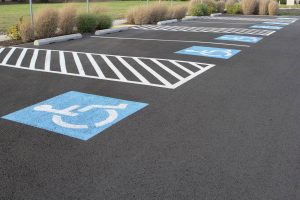
We help verify your parking layout matches the latest local guidelines, including proper striping for van-accessible spaces and access aisles.

Failing to stay compliant could cost your business more than just customer frustration—it could lead to fines or forced re-striping.

Get Striping Done Without Slowing Down Your Business

Running a business in Denver means you can’t afford delays—especially over something like parking lot maintenance. But that doesn’t mean you should put off restriping a lot that’s confusing or non-compliant.

The solution is smart planning and expert execution.

At Colorado Pavement Solutions, we specialize in scheduling parking lot striping in a way that keeps your operations moving. Whether you’re managing a medical plaza near Speer Boulevard or a retail center in Green Valley Ranch, we’ll work with you to find the best time, divide the project if needed, and use quick-drying materials to reduce downtime.

Let us help you make your lot safer, cleaner, and ADA-compliant—without interrupting business.

Contact us today to get a free estimate tailored to your location and schedule.

Frequently Asked Questions

How often should a parking lot in Denver be restriped?

Most Denver lots need restriping every 18 to 24 months, depending on traffic, sunlight, and winter plowing. Regular service improves safety, keeps markings visible, and ensures your property maintains a clean, professional appearance.

Can sealcoating and striping be done during the same project?

Yes, we often combine sealcoating and striping to save time and reduce downtime. Sealcoating is completed first, followed by fresh striping once the surface fully cures for a durable, sharp finish.

What striping materials work best for Denver’s weather conditions?

We recommend traffic-grade thermoplastic or premium waterborne paints designed for high UV and freeze-thaw conditions. These materials resist fading, peeling, and cracking, ensuring clear markings and a longer service life in Denver’s climate.

Can the layout be changed during a striping service?

Yes, we can redesign layouts to add parking spaces, improve vehicle flow, or meet new compliance standards. Layout updates are planned carefully in advance to ensure accuracy, efficiency, and adherence to local codes.

How Long Should Work From a Trusted Paving Company in Denver Last? 6 Longevity Secrets

asphalt paving DenverWhen you invest in paving work—whether it’s a driveway in Park Hill, a parking lot near the Cherry Creek Shopping Center, or a bike path along the South Platte River, you want to know it’ll hold up. After all, Denver’s freeze-thaw cycles, dry summers, and sudden spring hailstorms aren’t easy on asphalt or concrete.

So, how long should quality paving last here in the Mile High City?

The truth is, well-installed asphalt in Denver should last 15 to 20 years, and concrete can stretch up to 30 or more, but only if it’s done right from the start.

So, what separates paving that crumbles in a few years from surfaces that stand the test of time on Colfax or Federal Boulevard?

Here are six key factors that make all the difference.

Key Takeaways

  • Quality pavement in Denver can last 15 to 30 years when installed correctly and suited to local conditions.
  • A solid sub-base, climate-specific materials, and smart drainage keep pavement strong through Denver’s weather swings and slopes.
  • Seasonal timing and routine upkeep, like sealcoating and crack sealing, extend pavement life and reduce future repairs.
  • Local codes and permits in Denver must be followed to avoid fines, redos, and early pavement failure.

1. Proper Sub-Base Preparation Prevents Cracking and Sinking

The most critical—and often overlooked—part of any paving project in Denver is the sub-base. Without a solid foundation, asphalt or concrete won’t last through even a few freeze-thaw cycles, which are frequent here thanks to the wide temperature swings between day and night.

In areas like Green Valley Ranch and Sloan’s Lake, we often find older driveways and alleys that were laid directly over clay-heavy soil or compacted fill.

That kind of shortcut leads to shifting and cracking in no time.

A trusted paving company will excavate properly, add the right gravel layers, and compact them thoroughly to ensure the top surface can flex and hold steady with Colorado’s unpredictable climate.

2. Local Climate Knowledge Influences Mix and Material Selection

Paving mixes that perform well in Phoenix or even Kansas City aren’t automatically right for Denver. Because we get intense UV exposure at altitude and wide seasonal swings, asphalt needs additives that resist oxidation and brittleness.

In neighborhoods like Montbello or Bear Valley, we often use polymer-modified binders and finer aggregate blends designed for high-altitude durability.

A company familiar with the local microclimates—from the chilly foothills near Ken Caryl to the warmer flats near Aurora—knows how to choose the right materials for each zone.

3. Drainage Planning Is Key In Sloped and Historic Areas

Denver’s varied terrain—from the flat grid in Stapleton to the sloping lots in Hilltop—means that poor drainage can quickly destroy even a new paving job.

Water is the number-one enemy of pavement, especially when it gets under the surface and freezes. We’ve seen parking lots on Colfax Avenue erode prematurely simply because they weren’t sloped correctly or lacked catch basins.

When done right, paving should include a full drainage assessment, ensuring that meltwater and storm runoff are directed away from the surface to prevent pooling, cracking, and sub-base erosion.

4. Timing the Project Around Denver’s Seasons Matters More Than You Think

Paving isn’t a year-round job in Denver. Our spring thaw often leaves soil soft and unstable, and sudden September snowstorms can halt projects mid-pour. The ideal window for lasting paving work usually falls between mid-May and early October.

In areas like Washington Park or Five Points, where traffic and tree roots complicate timing even more, planning your paving job during the optimal season is crucial.

Rushing to finish a project before the first frost can lead to poorly cured concrete or soft asphalt, which never sets right and degrades faster.

5. Routine Maintenance Doubles the Lifespan

Even the best paving job will degrade without regular upkeep.

Here in Denver, sealcoating asphalt every 3 to 5 years is essential because of the intense sun and chemical exposure from de-icers used in winter. In commercial areas like the Denver Tech Center or around the Pepsi Center, we often recommend crack sealing and re-striping to prevent water infiltration and maintain functionality.

Concrete joints should be resealed, too, especially in high-traffic spots like school drop-off zones in Lowry or near recreation centers in Berkeley. A paving company that offers ongoing maintenance plans helps make your investment go further.

6. Local Permitting and Code Compliance Protect Your Investment

Denver has strict requirements for public right-of-way work, ADA compliance, and drainage regulations—especially in mixed-use areas like RiNo or LoDo.

If your paving company isn’t familiar with these codes or doesn’t pull the correct permits from the City and County of Denver or Denver Public Works, you may end up facing costly asphalt repairs, fines, or forced redos.

Our crew stays up-to-date with local code changes and coordinates directly with inspectors and utility locators (like Colorado 811) to make sure the work meets standards the first time.

Want Pavement That Lasts Decades in Denver?

At Colorado Pavement Solutions, we bring decades of experience working in neighborhoods all across Denver, from Baker to University Hills. We know how to build pavement that lasts through freeze-thaw cycles, handles elevation shifts, and complies with local regulations.

Whether you’re paving a commercial lot near I-25 or a driveway in Congress Park, we’ve got the tools, team, and track record to get it done right.

Ready for paving that goes the distance?

Contact us today to schedule a consultation or get a quote. Let’s make sure your pavement lasts as long as it should, without the headaches.

Frequently Asked Questions

How can I tell if my old driveway in Denver needs full replacement or just resurfacing?

Multiple deep cracks, drainage problems, and uneven surfaces often mean full replacement is needed. If the damage is mostly cosmetic with a solid base underneath, resurfacing can extend the life affordably.

Can heavy vehicles or delivery trucks damage residential pavement in Denver?

Yes, frequent use by garbage trucks, moving vans, or delivery vehicles can stress residential pavement not built for that weight. Thicker sub-bases and reinforced materials help prevent rutting and early failure.

Does elevation affect how paving materials perform in Denver’s neighborhoods?

Yes, higher elevations like those near Lookout Mountain expose pavement to cooler temps and more UV, which impacts curing times and long-term durability. Material selection should account for altitude and sun exposure.

What should I do if roots from city trees are damaging my sidewalk or driveway?

Contact Denver’s Office of the City Forester before removal or repair. They manage public trees and may help with root pruning, permits, or cost-sharing if the tree is city-maintained.

How Can You Tell If Your Parking Lot Maintenance Is Failing? (11 Warning Clues for Denver Managers)

If you’re managing a commercial property or retail center in Denver, your parking lot says a lot about your business before customers ever walk in the door.

But with our city’s fluctuating weather, frequent freeze-thaw cycles, and heavy traffic from both locals and tourists, it doesn’t take long for a well-maintained lot to start showing signs of wear. The key is catching these early.

So, how do you know if your parking lot maintenance is falling short?

Below are 11 warning clues that Denver property managers should watch for.

Key Takeaways

  • Parking lot issues in Denver often begin with cracks, drainage problems, or fading lines that people start noticing.
  • Signs like potholes, uneven areas, and oil stains show your surface is breaking down faster than it should.
  • Weeds, loose gravel, and safety complaints suggest regular maintenance, like sealcoating and repairs, are being skipped for too long.
  • Smart property managers in Denver fix problems early to avoid bigger costs and protect safety, compliance, and appearance.

1. Cracks Keep Reappearing After Repairs

In Denver, asphalt cracks aren’t unusual after a long winter, especially when spring thaw exposes weak spots.

But if you’re noticing the same cracks reopening along Cherry Creek Drive or in lots near Stapleton, it’s likely your patching or crack sealing isn’t addressing underlying base issues.

Proper maintenance in our climate goes beyond surface-level fixes. It must account for shifting soil and freeze-thaw damage beneath the surface.

2. Pooling Water After Rain or Snowmelt

Whether you’re managing a lot near City Park or in the Highlands, standing water after a spring shower is a bad sign. It often means poor drainage or a sinking sub-base.

In Denver’s semi-arid climate, water shouldn’t linger. When it does, it seeps into cracks and accelerates deterioration. This is especially critical during freeze-thaw season, when trapped water expands and widens existing damage.

3. Faded Striping and Worn-Out ADA Markings

Sunlight in Denver is no joke.

We get over 300 days of sun a year. That high UV exposure fades striping fast, especially in exposed lots around Lowry or near the Tech Center.

Faded lines don’t just look unprofessional.

They can lead to safety violations or non-compliance with ADA requirements, which are actively enforced in commercial zones throughout the city.

4. Uneven Surfaces or Sinking Areas

If parts of your parking lot feel like a rollercoaster ride near Park Hill or South Broadway, that’s a clear maintenance red flag. These uneven areas often indicate subgrade issues or water intrusion. Denver’s expansive clay soils can cause shifting and settlement, especially after a wet spring or rapid snowmelt.

Uneven surfaces can also become tripping hazards, opening you up to liability claims.

5. Frequent Potholes, Especially Near Entrances

Denver’s pothole problem isn’t just a city street issue. It’s common in high-traffic lots like those near the University of Denver or the shops along Colfax.

If you’re seeing recurring potholes near entry and exit points, it’s a sign that your sealcoating or surface protection has failed, allowing moisture and vehicle weight to erode the surface.

Without proper maintenance, potholes will return faster than you can fill them.

6. Oil Stains That Don’t Wash Away

In busy lots near Capitol Hill or RiNo, oil and fuel leaks from delivery trucks and daily traffic can eat away at asphalt over time. If you’re noticing slick, stubborn stains that resist pressure washing, your sealcoating layer may be gone.

That protective layer is your first defense against automotive fluids and should be reapplied every few years, especially in high-traffic commercial zones.

7. Visible Raveling or Loose Gravel

If you’re seeing small chunks of aggregate or gravel collecting near your storm drains in neighborhoods like Sloan’s Lake or Five Points, that’s raveling. It means the asphalt is breaking down at the surface and losing its binders, often due to oxidation and lack of regular sealcoating.

Raveling is a sign your pavement is aging fast and may need more than patchwork to stay functional.

8. Vegetation Growing Through Cracks

Weeds popping up in your parking lot near Wash Park or Cherry Creek are more than an eyesore. They’re a sign that cracks have been open long enough for seeds to settle and grow. Denver’s sunny climate helps those weeds thrive quickly, and once roots take hold, they can pry asphalt apart even more.

This is a clear indicator of delayed crack repair and poor routine inspection.

9. Customers or Tenants Complaining About Safety

In areas like Uptown or near the Denver Pavilions downtown, customer experience matters.

If tenants or visitors are tripping on raised edges, swerving to avoid potholes, or commenting on poor lighting or unclear striping, it’s a direct reflection on property management.

When complaints start stacking up, it’s usually because long-overdue asphalt repairs are being noticed by those who use the lot daily.

10. Drain Inlets Are Clogged or Flooding

In older Denver neighborhoods like Baker or Congress Park, lots often rely on dated drainage systems. When catch basins and inlets are blocked with leaves, debris, or sediment from failing asphalt, water backs up quickly, especially during spring runoff.

If you’re seeing mini-lakes form during storms, it’s time to clean and inspect your drainage system as part of routine lot maintenance.

11. It’s Been Over Two Years Since Your Last Sealcoat

If you haven’t sealed your lot since the last Rockies opening day or before the last A Taste of Colorado festival, your asphalt is likely overdue. Denver’s altitude and UV exposure age pavement quickly, even if winters are mild.

Regular sealcoating every 2–3 years helps protect against oxidation, water damage, and vehicle fluids. Skipping this step can cut your pavement’s lifespan in half.

Don’t Let Small Issues Turn Into Big Repairs

If you recognize even a few of these warning signs in your Denver parking lot, your maintenance plan may already be behind schedule. Neglect can lead to expensive reconstruction, frustrated tenants, and a poor impression of your business.

At Colorado Pavement Solutions, we help Denver property managers stay ahead of costly repairs with proactive maintenance and honest assessments. From sealcoating and striping to drainage and resurfacing, we tailor our services to meet the unique challenges of Denver’s climate, soil, and traffic patterns.

Let us take the hassle off your plate. Schedule a free lot inspection today and see how we can keep your parking lot safe, clean, and compliant—all year long.

Can Asphalt Milling Prevent Cracks on Denver’s High-Traffic Streets?

Denver’s roads take a serious beating. Between the constant freeze-thaw cycles and the nonstop traffic through spots like Colfax Avenue, Five Points, and LoDo, it’s no wonder asphalt here wears down fast. Cracks, potholes, and surface damage pop up regularly—and repairs can get expensive if problems aren’t caught early.

That’s why more property owners and municipalities are turning to asphalt milling—a smart, cost-effective way to refresh road surfaces and help prevent future cracking. But how exactly does it work, and is it really effective on Denver’s busiest streets?

Let’s answer that up front—then we’ll break down the details behind why milling matters in Denver.

Key Takeaways

  • Denver’s roads crack fast because freeze-thaw cycles and traffic grind away at surface strength year-round.
  • Asphalt milling shaves off damaged pavement so new layers go down smoother without ripping out the base.
  • Milling helps prevent future cracks by improving drainage, leveling surfaces, and absorbing daily traffic stress.
  • Busy streets like 15th Street and Speer Boulevard have used milling to cut downtime and stop early cracking.
  • Milling won’t fix failing road bases, but it works great when paired with repairs on heavy-use or older roads.

So, Can Asphalt Milling Prevent Cracks?

Yes—when done correctly, asphalt milling can significantly reduce the risk of cracking by restoring surface strength and improving water drainage.

Here’s how the milling process works—and why it’s so effective in Denver’s challenging conditions.

What Is Asphalt Milling—and How Does It Work?

Asphalt milling is the process of removing the top layer of a worn-out asphalt surface while keeping the solid base underneath intact. Think of it as shaving off the damaged surface—just enough to smooth things out—so a new asphalt layer can be applied over a clean, even foundation.

In busy areas like Speer Boulevard or the delivery lanes near Union Station, this process allows for quick turnarounds without tearing everything out. It’s faster and more budget-friendly than full reconstruction, and because the base stays in place, it’s also more sustainable.

Why Denver’s Climate Makes Milling Especially Important

If you’ve lived in Denver through a spring or fall, you know how wild the temperature swings can be. One day it’s sunny and warm; the next night, it’s freezing.

That kind of freeze-thaw action causes asphalt to expand and contract constantly, which leads to cracks, buckling, and even base failures over time.

Milling helps by removing the brittle top layer where cracks usually begin. And once a new asphalt overlay is applied, you’re left with a stronger, more flexible surface that’s far better at standing up to Denver’s unpredictable weather.

This is especially valuable in places like I-25 exit ramps or Park Avenue West—areas that see both heavy traffic and dramatic weather shifts.

How Milling Helps Prevent Cracking on High-Traffic Roads

Cracks aren’t always just about traffic—they’re often the result of an old surface that’s lost its ability to absorb stress. When trucks, buses, and cars constantly roll over weak asphalt—like on Colorado Boulevard or Evans Avenue—it starts to rut, shift, and crack.

Milling breaks that cycle because it:

  • Restores proper drainage by reestablishing slope, preventing water from seeping into surface cracks.
  • Resets asphalt thickness to support traffic loads and resist rutting.
  • Enables targeted repairs without the need for full-depth reconstruction, cutting downtime and costs.

That’s why milling is a go-to solution before overlay projects in downtown Denver, where every hour of street closure counts.

When Milling Isn’t Enough on Its Own

Of course, milling isn’t a cure-all. If the road’s base is already failing—as is common in older neighborhoods like Capitol Hill or around the Highlands—milling alone won’t stop new cracks from appearing. In those cases, a deeper repair is necessary before resurfacing.

For roads that carry heavier loads—like those near the Denver Stockyards or along Quebec Street—combining milling with crack sealing or base stabilization often delivers the best long-term outcome.

Ready for a Smoother, Longer-Lasting Surface?

If your parking lot, private road, or commercial property is showing early signs of wear, don’t wait for cracks to turn into costly repairs. Asphalt milling offers a fast, cost-effective way to give your pavement new life—especially in a city that demands so much from its roads.

At Colorado Pavement Solutions, we help property managers, business owners, and municipalities throughout the Denver metro area—from Stapleton to Littleton—maximize the value of their asphalt. Whether you’re resurfacing a shopping center or managing a high-traffic private lane, we’ve got the equipment and experience to do it right.

Let’s stop those cracks before they start. Contact us today to schedule a site evaluation or request a custom quote.

Why Does Your Denver Parking Lot Need Regular Commercial Asphalt Maintenance?

In Denver’s competitive commercial scene, your parking lot plays a bigger role than you might think. It’s often the first thing people notice about your property—and first impressions stick.

If you manage a commercial space near Cherry Creek, the Tech Center, or along Colfax, you’ve seen how Denver’s climate can wear pavement down fast. Between scorching summer sun and harsh freeze-thaw cycles in winter, asphalt takes a year-round beating. That’s why regular commercial asphalt maintenance isn’t just a “nice to have”—it’s essential. Neglect it too long, and you’re not just risking surface damage—you’re gambling with curb appeal, safety, and potentially tens of thousands in repair costs.

Key Takeaways

  • Denver’s wild weather and freeze-thaw cycles break down asphalt fast and leave parking lots cracked and crumbling.
  • A worn-out lot with faded lines and potholes can make people think your business doesn’t care about the details.
  • Regular maintenance costs way less than a full rebuild and helps avoid surprise bills down the road.
  • Bad pavement isn’t just ugly—it can lead to accidents, lawsuits, and ADA noncompliance if you’re not careful.
  • City fines and neighborhood rules in places like RiNo and Central Park make upkeep non-negotiable for property owners.

5 Reasons Regular Asphalt Maintenance Is Crucial for Your Denver Parking Lot

Denver’s fast-changing weather and heavy traffic can take a serious toll on commercial parking lots. Without regular upkeep, small cracks and faded markings can quickly snowball into costly problems and safety hazards.

Let’s explore why proactive asphalt pavement maintenance should be a top priority for your property.

1. Denver’s Climate Wears Down Asphalt—Fast

If you’ve lived in the Mile High City for long, you know how extreme the weather can get. One week it’s 75 and sunny, and the next we’re getting hammered with a spring snowstorm. These dramatic temperature swings cause the asphalt to expand and contract, which leads to cracks, potholes, and eventual structural failure if left untreated.

On top of that, Denver gets about 60+ freeze-thaw cycles each year. When water seeps into tiny cracks and then freezes, it expands—widening those cracks and speeding up damage. Parking lots in neighborhoods like LoDo or Five Points often face even quicker wear due to high traffic and less shade coverage.

Regular sealcoating and crack filling help protect your asphalt from moisture intrusion and UV degradation, extending its lifespan significantly.

2. Curb Appeal Impacts Customer Perception

Your parking lot is often the first impression customers get of your business. A smooth surface with fresh, professional striping, clear markings, and a clean appearance—whether you’re in Highlands Ranch or along South Broadway—shows that you care about safety and presentation.

Well-maintained lots not only guide traffic efficiently but also enhance curb appeal, while neglected surfaces with faded lines, cracks, and potholes can leave the wrong impression.

Regular maintenance keeps your lot looking fresh. That includes:

In high-traffic retail areas like Belmar in Lakewood or along South Colorado Boulevard, businesses that maintain their lots see more foot traffic and fewer complaints.

3. It Saves You Money in the Long Run

Neglecting your asphalt can lead to costly repairs down the road, but there’s a smarter, more affordable solution. Asphalt resurfacing is a proactive way to extend the life of your pavement and restore its appearance—without the high price tag of a full reconstruction.

In Denver, where resurfacing costs are much lower than complete replacement, it’s a smart investment that saves you time, money, and hassle. Let us help you protect and enhance your asphalt before major repairs become necessary.

Compare that to the cost of routine maintenance—which is a fraction of the price. Think of it like an oil change for your parking lot: it might seem minor now, but it keeps the whole system running smoothly and prevents major breakdowns.

In areas like Stapleton or around Denver International Airport, where commercial developments are growing fast, proactive property managers stay ahead of issues to avoid big-budget surprises.

4. You’ll Avoid Liability Risks

Cracked pavement, potholes, and faded crosswalks can all create safety hazards. In busy areas like Capitol Hill or near Coors Field, these issues can quickly turn into trip-and-fall accidents or vehicle damage claims.

By scheduling routine asphalt maintenance, you’re not just protecting your property—you’re reducing liability risks and confirming ADA compliance. This is especially important for properties like:

  • Shopping centers
  • Office parks
  • Apartment complexes
  • Hospitals and medical centers

5. City Requirements & Local Regulations Matter

In Denver, commercial property owners are often responsible for keeping parking lots in safe condition—not just for aesthetics but also for public safety. In some cases, like sidewalk-adjacent lots or shared driveways in mixed-use zones, failing to maintain surfaces can even result in city fines.

Plus, newer neighborhoods like Central Park (formerly Stapleton) and RiNo have design guidelines that encourage consistent upkeep of visible infrastructure—including asphalt. Staying on top of maintenance helps you avoid penalties and keeps your property aligned with local standards.

Keep Your Parking Lot in Top Shape Year-Round

Neglecting your parking lot now could cost you big later. Cracks grow, potholes deepen, and what was once a minor issue can turn into a full-blown liability. But the good news? Regular maintenance is simple, affordable, and gives you peace of mind.

At Colorado Pavement Solutions, we help Denver property owners stay ahead of the curve with customized commercial asphalt maintenance plans. From Highlands to the Denver Tech Center, we know the local weather patterns, traffic demands, and city codes that impact your lot.

Whether you need crack sealing, sealcoating, line striping, or full surface repairs, we’ve got your back. Reach out to us today to schedule a quote or set up a routine maintenance plan—and make sure your lot stays safe, sharp, and problem-free all year long.

Recent Projects in Fort Collins, CO

Latest Projects in Greeley, CO

Recent Projects in Longmont, CO

Latest Projects in Wheat Ridge, CO

Request Estimate