Our Blog

Archive for Announcements – Page 8

Is 2 inches of asphalt enough for a driveway?

Is 2 Inches of Asphalt Enough for a Driveway?

Is your current driveway marred with cracks and potholes? Are you worried that you’ll damage your vehicle every time you drive down your rutty dirt road? Are you about to build a new home on your dream piece of land? If you’re facing any of these conditions, you’re ready for a new asphalt driveway.

Asphalt is affordable, durable, and looks great, but what does it take for a proper asphalt installation? You may have heard two inches of asphalt is enough for a driveway, or you may have heard nine inches is the minimum. So, why are there two drastically different numbers for this seemingly simple project? Both two and nine inches have their significance in new asphalt installation, but the reality is neither one is right for your new driveway.

Let’s explore how much asphalt you need for a new driveway, the different amounts of asphalt required for different projects, and getting your asphalt project started today.

Replacing and New Build Asphalt Installation

When it comes to asphalt paving thickness, there are a few schools of thought. Some asphalt contractors will go with a thinner finished product to save cost and charge customers less for their work. That’s where the idea that 2 inches of asphalt is enough for a driveway came from. So, is 2 inches of asphalt enough for a driveway? In some cases, yes. However, we never recommend using only 2 inches because it doesn’t last long enough, temperature swings in Colorado are more likely to damage the asphalt, and in certain areas, swelling soils can break 2 inches of asphalt much easier.

For a residential asphalt driveway thickness, Colorado Pavement Solutions always recommends 4 inches of asphalt for a driveway. Four inches of asphalt is strong enough to withstand Colorado temperature swings and the weight of most personal vehicles. So, where did the notion of needing 9 inches of asphalt come from?
Different municipalities have different standards for municipal roadways. We believe that’s where this misconception came from. In certain parts of Aurora CO municipal roadways require between 9- and 11-inches asphalt. Most of Lakewood CO, on the other hand, requires 6 inches for their roadways. Six inches of asphalt is also our recommendation, and standard, for commercial parking lots.

Modern asphalt is a mix of petroleum byproducts, aggregates like stone and dust, and different chemical binders. For an optimal mix and surface of these components, you need a minimum thickness. The amounts of aggregate, layers and asphalt components depend on the region, road needs, and much more.

Where 2 Inches of Asphalt is Enough for a Driveway

Can you ever do 2 inches for a driveway? Sure. There are situations when using 2 inches is advisable, if allowable by your asphalt company. Replacing two inches can save you time, energy, and money.

Mill / Overlay – If an asphalt company feels your binder course is in good shape, you can choose an overlay.

There are two options for renewing your surface layer, overlay, or mill and overlay. An overlay is only adding a new surface coat while mill and overlay involves milling up the previous surface layer before installing two inches of new asphalt.

You can choose an overlay only when the asphalt shows mild to moderate wear. If the asphalt is severely damaged, a mill and overlay will be required and is more expensive than an overlay only. Your asphalt contractor can help you determine the proper way to overlay your asphalt.

2 Inches for a Proper Bond

Two inches is the industry standard for asphalt overlays and surface courses because it properly bonds the surface course to the binder course. If a surface course is too thin it won’t have the surface area and other properties to properly bond which will result in raveling, cracking, and other asphalt issues.

Using a Professional Asphalt Company

There are many Do-It-Yourself projects that homeowners can tackle but replacing or installing new asphalt is not one we’d recommend undertaking. Pouring new asphalt requires expert calculations, proper planning, and flawless execution. Most homeowners don’t have the knowledge and equipment to install new asphalt, so turn to a professional.

Colorado Pavement Solutions will measure the correct amount of asphalt, choose the right materials for your tastes and budget, and put on a beautiful new blacktop. If you’re ready for some new asphalt, whether it’s a new installation or overlay, call or email us today.

How do potholes form?

How Do Potholes Form?

You’re driving down your neighborhood’s beautiful asphalt road when you spy a pothole. You try to get out of the way, but it’s too late as you feel your tire sink and crunch over the pothole. Asphalt potholes are the scourge of drivers across the country, but why does it seem like potholes pop up overnight and what can damage asphalt to the point of creating a pothole?

Let’s figure out what causes potholes and the best to way fix them as well as strategies to keep potholes forming on your beautiful asphalt, to begin with.

Causes of Potholes

The number one cause of potholes is water infiltration. Asphalt is put down as a stable, impenetrable surface, but over time asphalt will form small cracks. Water can slowly seep into these cracks and displace your asphalt’s sub-grade materials. Once water finds its way into your asphalt’s sub-layers, it will expand and contract with freezing and thawing cycles, further damaging the pavement underneath the surface.

Eventually, this hydro-excavating effect displaces enough sub-grade material to weaken your asphalt and leave it susceptible to damage. When a vehicle drives over this weakened area, it collapses, and you’re left with a pothole. The continued traffic and freezing and thawing cycles can turn a tiny pothole into a big problem if not addressed right away.

How to Properly Fix a Pothole

Most homeowners grab a bag of cold-mix asphalt to patch potholes in their asphalt, but cold mix asphalt is only meant to be a temporary solution. Because most potholes form in the winter, cold mix asphalt is the only solution, but it should never be a permanent fix.

For a permanent fix, you need to use hot mix asphalt. You may need to wait until temperatures rise to use hot mix asphalt if your pothole formed in the winter, but a permanent fix is the best way to keep damage and other issues from spreading.

How to Prevent Potholes

The only surefire way to completely prevent potholes is by not using your asphalt. Obviously, that doesn’t work for homeowners, but there are ways you can mitigate your chances of getting potholes to begin with.

  • Resealing – Resealing, or sealcoating, your asphalt is recommended every one to two years. Sealcoating your driveway adds a top protective layer that can shield your asphalt from crack-forming sun damage and other elements your asphalt is likely to face.
  • Crack Fill – Potholes are formed when water seeps through cracks in your asphalt, so no cracks, no potholes. Homeowners should regularly scan their asphalt for any cracks and seal them immediately to avoid asphalt issues. It’s best only to use hot rubberized sealant for a permanent watertight barrier.
  • Regular Inspection and Maintenance – Have an asphalt contractor scope out your asphalt once or twice a year to look for any potential pothole issues or seal any cracks that could lead to potholes. Most asphalt contractors can inspect your driveway, seal any potential problems, and sealcoat your asphalt in one go.

Get out of the Hole

Potholes can cause vehicle damage, personal injury, and cost taxpayers millions of dollars per year. Still, you can try to prevent potholes on your personal property by taking proper steps like seal coating. Always make a permanent fix on any potholes to avoid further damage and, when in doubt, call Colorado Pavement Solutions for a free estimate.

What is a Bollard?

What is a Bollard?

Have you ever been scanning for a space in a parking lot when you accidentally bump into a barrier that kept you from going over your lane? Have you ever bumped a post that held you from driving into a building? The modern parking lot or deck is full of many subtle structures and stops that keep traffic where it should be, including structures to keep you from bumping into other cars, walls, or structures.

One of the most critical structures in any parking deck or lot is the bollard. To the everyday driver, bollards are concrete or metal posts sticking out of the ground, but they’re much more important than they look. Let’s learn more about what bollards are and how they keep your structure or parking lot safe.

Basics on Bollards

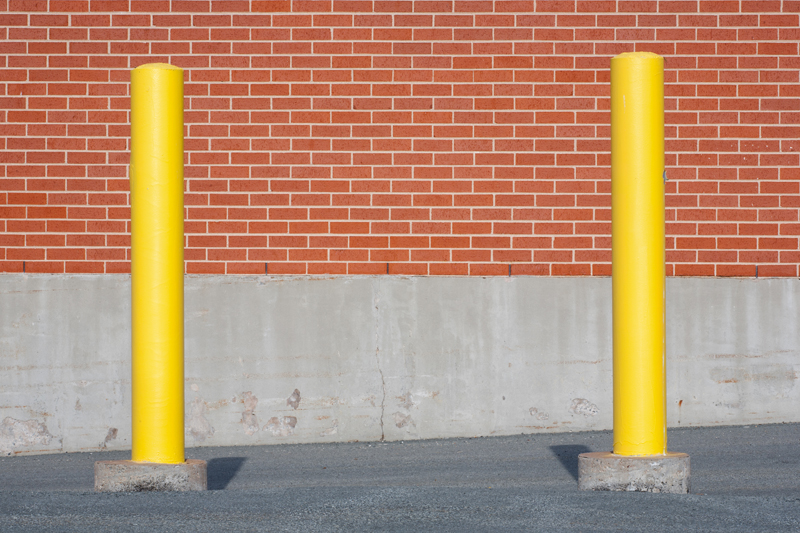
A bollard is a short, thick, strong post installed on sidewalks, parking structures, parking lots, or other trafficked areas to create a protective barrier and keep vehicles where they’re intended to be. Bollards are also known as bollard barriers.

What are Bollards Used for?

Bollards are barriers that keep traffic and vehicles where they’re supposed to be. You can think of bollards as a fail-safe from keeping traffic and other potential issues well away from your building. Bollards work together with parking blocks for an organized and safe parking lot.

How Tall are Bollards?

There are no set rules and regulations for bollards so they can be as short or as tall as you want them to be. Because bollards are meant for safety, you must choose something tall enough and strong enough to do its job. The most common bollards are approximately two to three feet tall.

Bollards vs. Parking Blocks

Do you have to install both bollards and parking blocks in your structure? Won’t your lot’s curb stops keep people from ramming your building without installing bollards? Maybe. Parking blocks and curb stops serve their purpose to keep slow-moving vehicles from ramping over their parking spot but won’t always stop a car going moderate speed or a vehicle that isn’t where they’re supposed to be, to begin with.

Bollards are stronger and more protective than any curb stop or parking block. A vehicle that can drive over a parking stop can’t drive through bollards or stronger structures. It’s up to the lot owner to decide how much protection their parking lot or building requires, but bollards are always recommended for any situation where a vehicle could drive accidentally (or intentionally) into your structure.

Types of Bollards

  • Fixed Bollards – As the name implies, fixed bollards are permanent bollard installations. Fixed bollards are among the strongest of all bollards and can take a severe hit without compromising.
  • Removable Bollards – Removable bollards allow for quick installation and de-installation, depending on your needs. Removable bollards are generally not as strong as fixed bollards.
  • Automatic Bollards – You can get the best of temporary and permanent bollards with automatic bollards. Automatic bollards can be kept in the ground or extended upwards, depending on your needs and time of day. An automatic bollard can be kept up for standard traffic times, then pulled down when you need more space.
  • Decorative Bollard – Decorative bollards are strictly for looks and should only be used when there are other protective barriers between buildings and driving areas.

Bollards for Safety

Bollards keep out of control vehicles from crashing into your building and can help reduce liability around your property. Talk to Colorado Pavement Solutions to figure out parking block or bollards are the right choice to be installed in your parking lot.

Asphalt Raveling

What is Asphalt Raveling?

Asphalt is one of the most popular paving materials in North America, and for a good reason – it’s versatile, tough, and affordable. There’s nothing better than the look of a shiny new blacktop, but that blacktop won’t keep shiny and beautiful without regular maintenance.

Though it’s tough, asphalt faces many enemies from the elements and from the people that use it. Without proper maintenance, you could see issues like cracking, pitting, and raveling. Raveling is one of the most common residential asphalt issues but doesn’t have to be if you take the right steps. Let’s learn what asphalt raveling is and how to keep it from happening to your asphalt.

Figuring Out Raveling

Raveling is the slow disintegration of your asphalt from the top down resulting from aggregate loss. Essentially the top layer of aggregate breaks free from the asphalt binder, which causes raveling issues.

Raveling starts subtlely but slowly makes its way through your asphalt, leaving you with an ugly pockmarked and gray asphalt driveway that is much more susceptible to damage than well-maintained asphalt. Raveling tends to occur in older, unmaintained asphalt driveways that are already showing signs of oxidation.

Causes of Asphalt Raveling

Issues with raveling begin when your asphalt’s aggregate particles separate from the asphalt’s binder. There are several causes for asphalt raveling including:

  • Weather Issues – Sun, rain, and ice will cause subtle damage to your asphalt over time by weakening the bonds between the asphalt binder and aggregate. Weather damage leads to oxidation, a chemical reaction that further weakens the bond between aggregate and binder.
  • Poor Installation – Inadequate compaction during installation can lead to premature raveling, which usually occurs when the asphalt is installed during temperatures that are too low.
  • Separation of Aggregated Particles – Also known as aggregate segregation. Low-quality aggregate lacks fine dust particles (aggregate fines). (Asphalt contains a variety of aggregate sizes from ¾” rock down to sand. When it is installed, the asphalt must maintain a consistent internal distribution of these aggregates. During installation, if the laborers that rake the asphalt lack experience, they can accidentally cluster the larger aggregates into small areas. Without finer aggregates evenly distributed in these clusters, the asphalt binds poorly, causing the aggregates to ravel out of the asphalt mat). Without fine dust to bind to, the binder bonds to coarser particles, which are more likely to wash away, causing raveling.
  • Mechanical Dislodging – Separation can happen from vehicles, especially vehicles likely to aggravate the surface like snowplows, snow tires, or oversized tires.

How to Repair Raveling

The type of asphalt repair for raveling depends on the extent of the damage. There are two basic types of raveling repair:

  • Localized repair – If raveling is only happening in small spots or is not that extensive, you can execute a localized repair. If it is early enough in the raveling process, you can halt the process by sealcoating as soon as possible. If repairs are necessary, skin patching or infrared heating is the best solution. Mild raveling is not a structural problem that warrants a major concern; your driveway is still functional. But you do want to prevent extensive raveling because it is ugly and expensive to repair.
  • Extensive repair – If your entire asphalt driveway is raveling and it has been raveling for many years, this may require a mill and overlay or full-depth removal and replacement to correct the problem. Extensive and prolonged raveling can become structural problems that lead to failed asphalt.

How to Prevent Raveling

Ideally, you’ll keep raveling from happening in the first place with a regular sealcoat. Sealcoating involves a topcoat of asphalt binder and other compounds that defend your asphalt against rain, UV damage, and raveling.
Homeowners can sealcoat the asphalt themselves, but professional sealcoating for the most thorough job is recommended. Regular sealcoating will keep your asphalt looking shiny and black and will keep away damage like raveling and other issues. Asphalt pavement experts recommend re-sealing your asphalt every four to six years.

No More Raveling

Raveling breaks up the bonds between your asphalt’s binder and aggregate, creating a host of issues and awful-looking asphalt. All raveling can be repaired, but homeowners should regularly sealcoat their driveways to keep raveling issues from happening in the first place. If you’re ever unsure how to handle raveling or sealcoat, contact Colorado Pavement Solutions for a free estimate on the best way to repair your raveling issues.

Hot Mix vs Cold Mix Asphalt

What’s the difference between Hot Mix and Cold Mix Asphalt?

Asphalt is one of the most popular paving materials in the world, but not all asphalt is created and used equally. You have two main options in the asphalt world – cold mix asphalt and hot mix asphalt. If you have an asphalt paving project coming up, you want to know the difference between the two types and how they can be used.

Luckily for you paving pros are here to discuss the differences between hot mix asphalt vs. cold mix asphalt including what they are, what they’re right for, and more information on these similar but very different options.

Hot Mix Asphalt Basics

Have you ever driven past a crew on the highway tearing up and installing new asphalt? Have you noticed the steam coming off the freshly poured asphalt? You’re looking at a hot mix asphalt installation.

As the name implies, hot mix asphalt is a mixture of aggregate like gravel and sand and asphalt cement that requires heating before installation. Hot mix asphalt is heated at the production facility to a temperature of 300 to 350 degrees before being shipped and laid at the job site. Hot-mix asphalt cools quickly to allow for quicker installation.

What is Hot Mix Asphalt Used For?

Hot mix asphalt is most useful for large-scale paving applications like roads, parking lots, and driveways. There are hundreds of thousands of square miles of pavement that make up America’s roads and parking lots right now due to hot mix asphalt’s versatility.

Cold Mix Asphalt Basics

Cold mix asphalt is the most basic of asphalt types. As the name implies, cold mix asphalt does not require heating for application. When you think of bags of asphalt used for patching, you’re thinking of cold mix asphalt.

What is Cold Mixed Asphalt Used For?

Cold mix asphalt is most useful for repairs like small cracks and potholes or patches when the outside temperature is too cold for hot mix asphalt. Cold mix asphalt is not nearly as strong as hot mix asphalt and should only be used for small-scale fixes or temporary patches until a more permanent repair with hot asphalt mix can be made.

Advantages of Hot Mix Asphalt

  • Weather-Resistant – Asphalt is used across the nation for a reason; it can resist all types of weather. Hot mix asphalt can stand up to wind, flooding, and asphalt’s heat absorption melts snow and ice faster than other paving materials.
  • Quick Cool Down – Hot mix asphalt is poured at over 300 degrees, but it cools down quickly, allowing for minimal road closure times. Because hot mix asphalt cools so quickly, you can get the road open and traffic flowing in as little as a few hours.
  • Strength – Hot mix asphalt is the most durable grade of paving asphalt, which is why it’s used for high traffic roads and highways. Cold mix asphalt isn’t strong enough for regular vehicle traffic.
  • Bend but Not Break – Asphalt is more flexible than it’s paving counterpart concrete. Asphalt’s flexibility and malleability allow it to shrink and expand during different temperatures without cracking or becoming damaged. This flexible factor makes it a great paving choice in areas that suffer wild temperature swings like the Midwest or Mountain West.

Disadvantages of Hot Mix Asphalt

  • More Expensive – Though its price point is below concrete, hot mix asphalt is the most expensive of asphalt paving options. Hot mix asphalt does last longer than other paving options, so always weigh the cost vs. serviceable life before deciding.
  • Temperature Window – Hot mix asphalt should only be installed when the outside temperature is 40 degrees or higher. Many cold-weather states can’t use hot mix asphalt for several months at a time.

Advantages of Cold Mix Asphalt

  • Affordable – Cold mix asphalt is much more affordable than hot mix asphalt, and you also don’t need to buy cold mix asphalt in large quantities like you would hot mix. You can purchase cold mix asphalt in single bags that are the perfect size for small patches at a low cost.
  • Helpful – In the right situation, cold mix asphalt is what you need and can be laid in colder temperatures. If you get an unsightly pothole in January or see a crack developing in November, you can use cold mix asphalt to keep the damage from spreading too quickly.

Disadvantages Cold Mix Asphalt

  • Temporary – Cold mix asphalt should only be used in temporary situations, including patches or filling in small cracks during the winter. Cold mix asphalt is only designed to last a season or two at most before being replaced by a more permanent fix.

Choosing Hot vs. Cold Mix Asphalt

Both hot mix and cold mix asphalt have their unique advantages, and disadvantages and which one you use depends on what you need to accomplish. If you’re ever in doubt about cold vs. hot mix asphalt, pick up the phone and call Colorado Pavement Solutions to get the most reliable and accurate information plus, tips on pavement maintenance and repair.

What is the Cement Block in a Parking Lot Called?

What are Parking Concrete Blocks?

How many times have you ever pulled into a parking space, not paying attention and bumped to a stop on that block at the end of the space? Have you ever given thanks to these neat little devices, or is it difficult to thank something you don’t know the name of? What is the cement block in a parking lot called? Let’s find more about these simple but effective devices and the surprising benefits they bring to your parking lot.

The Many Names for Parking Blocks

Parking blocks have many different names. Depending on the manufacturer and region, you can call them parking blocks, parking stops, curb stops, and more. No matter the name, the parking block is the concrete or rubber stop installed at the head of parking spaces across the country.
You don’t often think about parking stops until you run into one and thank it for saving your vehicle, but there’s more to these simple devices than meets the eye. Let’s learn more about the versatile parking block and what high-quality parking stops can do for your parking lot.

What Can Parking Cement Blocks Do for Your Parking Lot?

Safety – The last thing you want is someone rear-ending someone in your parking lot because it’s in such poor condition or someone driving straight through a tiny parking stop into your retaining wall. Properly maintained parking blocks keep you safe, keeps the drivers in your lot safe, and keeps your building safe. Don’t leave your parking lot to chance; install high-quality parking blocks.

Organization – Properly installed and planned parking stops organize the flow of traffic in and out of your parking structure. Correctly laid parking stops will keep vehicles from cutting others off, park everyone in organized spaces, and bring organization into a chaotic world. Building owners could be held liable for any fenders benders resulting from poorly constructed parking lots and layouts, so use a professional to make sure your parking blocks are appropriately laid out.

Look Professional

Have you ever pulled into a parking lot that had crumbling, missing, or paint-chipped parking blocks? What was the initial impression of that business? A building’s exterior and condition are an advertisement for the businesses inside, and if that exterior is falling apart, you get a poor first impression. Crumbling parking lots say we can’t fix our parking lot, so how could we help you?
High-quality, brightly painted, and professionally installed parking lots look great and will give customers of your business a great first impression. It may not be obvious, but a parking block could make or break your tenant’s next big sale. We can also help with parking lot pavement types and their fixes.

Cement vs. Rubber Parking Block

If you’ve decided your parking lot needs an upgrade with new parking blocks, you have a big decision in cement vs. rubber parking blocks. Which one is right for you?

Advantages and Disadvantages of Cement Parking Blocks

Advantages and Disadvantages of Cement Parking Blocks

  • Affordable – Cement parking lots are less expensive than rubber parking blocks and the more economical option if you have several blocks to install.
  • Construction Headache – Cement blocks are more labor-intensive and may shut down portions of your parking lot while they’re being installed. If you can’t re-route your parking or don’t enjoy construction, you’ll want to choose rubber parking blocks.
  • Durability – Concrete and cement parking blocks are durable but will age faster than rubber parking blocks. Snow, ice, harsh impacts, and other elements will chip away at concrete blocks over time, leaving most concrete parking blocks useless within 10 to 15 years.

Advantages and Disadvantages of Rubber Parking Blocks

  • Strong – Rubber is surprisingly stronger than concrete, at least when it comes to parking blocks. Rubber can bend but doesn’t break when smacked by a vehicle and doesn’t suffer the same wear from the elements compared to concrete.
  • It’s Also Affordable – Rubber blocks are more expensive than concrete blocks, but you should consider the useful life of the parking block too. Cement parking blocks are cheaper out of the gate but must be replaced more often rubber blocks.
  • Long-Lasting – Rubber blocks are the clear pick in longevity. Rubber parking blocks can take a beating, handle nasty snow and ice, and look great for many years. Rubber parking blocks will degrade quicker in harsh environments, but so will cement parking blocks.

Do Right with Professional Parking Blocks

Don’t leave yourself liable for damage from cars running into your structure or running into each other – install great looking high-quality parking blocks. Both rubber and cement parking blocks provide safety, organization, and make your lot look more professional for both tenants and visitors.
They’re affordable, they work, and there’s no reason you shouldn’t look at your parking block situation before there’s an accident. Call Colorado Pavement Solutions to get quotes on different parking stops and make your lot safer today.

Most Important FAQs

Q1: What are the parking lot stoppers called?

Parking lot stoppers are commonly referred to as “wheel stops” or “parking bumpers.” They are also known as “parking curbs” or “car stops.” These are concrete or rubber blocks placed at the front of a parking space to prevent vehicles from parking too far forward.

Q2: What are the concrete parking things called?

The concrete elements used in parking lots are typically called “concrete parking blocks” or “concrete wheel stops.” They serve as physical barriers to define parking spaces and protect structures like walls and curbs from vehicle damage.

Q3: How to block a parking space?

To block a parking space, you can use various methods. One common method is to install concrete parking blocks (wheel stops) or bollards to restrict access physically. You can also use signage designating the space as reserved or off-limits. In some cases, temporary barriers like traffic cones or ropes can be used.

Q4: How to park properly?

To park properly, follow these steps:

  • Find an available parking space.
  • Approach it slowly and signal your intent to park.
  • Align your vehicle within the designated parking lines.
  • Ensure you leave enough space in front and behind your vehicle.
  • Turn off the engine and engage the parking brake.
  • Check for any posted parking regulations or restrictions.
  • Exit your vehicle safely, ensuring it is securely parked.

Q5: How to paint a senior parking spot?

Painting a senior parking spot is a common tradition in some schools. To do this:

  • Obtain permission from the school or relevant authority.
  • Clean the parking spot thoroughly.
  • Use masking tape to mark the design or pattern you want to paint.
  • Choose appropriate paint colors and paint within the taped area.

How to Seal a Driveway

How to Sealcoat a Driveway

Asphalt is of the most popular paving materials making up thousands of driveways across the country. Asphalt driveways are popular due to their affordability, versatility, and longevity, but did you know a few simple steps could add years to your asphalt driveway?
It’s weird to think that a mix of substrate and oil needs maintenance, but there are a few things homeowners can do to revitalize their asphalt driveway, including sealing it. Let’s learn more about why you should sealcoat, how to seal blacktop, and other tips from paving pros. One simple act can add years to your blacktop, so why aren’t you sealcoating?

Why You Should Seal Your Asphalt

Why should you seal your asphalt? For longevity and appearance. The sun’s rays are filled with harmful UV radiation, which ages your blacktop over time. A regular sealcoat can help defend your driveway against harmful UV rays, other elements like snow and ice, and can add years to your blacktop.

Sealing Asphalt and Temperatures

Unfortunately, you can’t put down sealant whenever you want due to temperature’s effects on asphalt sealant. What temperature you need depends on whom you ask, but most asphalt pavers agree that temperatures need to be above 40 degrees at a minimum and generally in the 50s to 60s for the best job.

Your asphalt sealer manufacturer will also list their minimum temperature on the instructions. Always follow minimum temperature requirements, or you’ll be left with a sticky mess and expensive repair. Concerned about temperature and getting the job done right? Allow a professional, like Colorado Pavement Solutions, to seal your driveway. They’ll choose the right materials and temperature for the best possible sealcoat.

How to Seal Coat a Driveway

Step 1 – Before you apply any sealant to your asphalt driveway, you need to prepare the surface. This includes making any small repairs, cleaning off any oil stains, and removing all dust and debris from your driveway. Only a clean, dry surface will handle a new sealant.
Begin by using a broom or blower to remove all dirt, dust, and debris from the driveway. Follow up your sweep with a hose on high pressure or a pressure washer on its lowest setting to take care of any leftover dirt or dust.
Once your driveway is clean, use cold mix asphalt and/or an asphalt repair kit to patch any small cracks or divots. Substantial damage should be handled by a professional. Allow your repairs time to cure before sealing.
Pay special attention to the border of your asphalt. Does it run into a brick? Are there any plants sloping over onto your pavement? Remove any organic matter on the edges of your asphalt and run a protective tape around any areas that connect to your asphalt like sidewalks or retaining walls.
Pro Tips: Have a stubborn oil stain? Refer to our article on how to clean oil stains off asphalt for the best possible cleaning job

Step 2 – Open your sealer and remove the lid completely. Leaving the cover on can mess up your pour line and could cause you to drop the bucket, trust us – take off the entire top.
Pro Tip: Sealant from “big box” repair places like Home Depot or Lowe’s is generally poor quality. Look to a professional to find the best sealant or let the pro use their industry-grade sealcoat for a beautiful job.

Step 3 – Slowly begin pouring the sealant onto your asphalt. All driveways are different, but ideally, you want to start at the house or garage and move towards the street. Pour the sealant in a six-inch bead a few feet at a time.
Pro Tip: Don’t let your sealant buckets get trapped. Stage the buckets downhill so you can grab them as you work.

Step 4 – Use a paving squeegee or broom to coat the blacktop driveway sealing into your asphalt evenly. Work in an overlapping pattern like you would for staining wood or mopping your kitchen to get full and even coverage.
Pro Tip: You won’t be able to go back to an area, so work slowly and double-check your coat before you start the next pour. Take care of any puddles, bare spots, or problem areas before they come inaccessible.

Step 5 – Continue working side to side, and down until you reach the street.

Step 6 – Your blacktop sealant needs time to dry and cannot handle any foot or vehicle traffic. Block off your driveway to ensure no one ruins your brand-new sealing job.

Step 7 – Allow the sealant to dry for 24 hours.

Step 8 – For extra protection, repeat steps 2 through 6 again. A second coat isn’t necessary but is recommended for added defense.

Common DIY Blacktop Driveway Sealing Mistakes

It’s easy to make mistakes while sealing your blacktop. Try to avoid common errors like:

  • Sealing with low temperatures
  • Not coating evenly
  • Using low-grade sealant
  • Assuming the sealant will fill any cracks or damage

How Much Does It Cost to Seal a Driveway Professionally?

Always get a quote from a local asphalt paving professional before you choose a DIY seal. It’s normally less expensive to do the job yourself, but you might be surprised by the affordability of a professional job. If you want to be sure the job is done right, get a quote from an asphalt professional on sealcoating.

Get Sealing

By properly preparing the surface, taking your time, and keeping your eye on details you can seal your blacktop on your own and save some money. Always be careful during fall and winter jobs and call a professional for a quote before doing the job yourself.

Gravel vs Asphalt Driveway

Is a gravel or asphalt driveway better?

There are several options for paving a new driveway, and each has its unique benefits and drawbacks. Two of the most popular paving options for driveways on rural properties are gravel and asphalt. It’s challenging to say asphalt is better than gravel or vice versa because the best product depends on your needs, budgets, your property, and more.
To help chisel down your options we want to put gravel and asphalt head-to-head to see which is better in different situations and their unique pros and cons. With expert paving knowledge on gravel vs. asphalt, you’ll be sure to pick the best option for your next paving project.

Advantages of Gravel Driveways

Affordable – Gravel’s biggest asset is its affordability. Gravel is affordable, and because you dump it and spread it, the labor cost is also minimal. If you have a large-scale rural property or driveway and need to save money – gravel is a great choice.
Toughness – Gravel is nothing more than crushed stone, and we all know that stone is tough. Gravel can handle everyday traffic but can also stand up to farm equipment and excess weight. If the gravel breaks, who cares? It just becomes more gravel. The durability makes gravel a popular option when excess weight like industrial equipment is involved.
Low Maintenance – There’s not much work that gravel needs. It can’t chip, it can’t crack, and you can’t get potholes in a gravel driveway. The low maintenance requirement makes it a popular option when you want to create a driveway or back road without tedious maintenance requirements.

Disadvantages of Gravel Driveways

Washout – Gravel isn’t set in place like asphalt, so it will inevitably wash out. Gravel paving is not a good option in areas that are prone to flooding unless you want to lose your driveway after a few good spots of rain.
Displacement – Weight from vehicles and equipment can displace gravel driveways. Gravel driveways will need raking, shoveling, and grading to replace stone that’s been pushed off its path.
Appearance – A gravel driveway won’t look as good as the gleaming blacktop of asphalt. Beauty is in the eye of the beholder, but gravel isn’t the most beautiful of paving materials.
Rough on Vehicles – Gravel is more difficult on vehicles than asphalt. Depending on how much you use your driveway, the extra vehicle effort on gravel vs. asphalt can wear your vehicle and tires down sooner.

Advantages of Asphalt Driveways

Appearance – A beautiful, jet black asphalt driveway looks much more composed than a gravel driveway. Though some like the rustic appearance of gravel driveways, it’s tough to beat the beauty of the blacktop.
Still Affordable – Gravel is more affordable than asphalt, but asphalt is still an accessible paving material. Before sticking to gravel for its low cost, talk to your local paving contractor about asphalt and how much your project would cost.
Long-Lasting – With proper maintenance, asphalt driveways can last multiple decades. How long your asphalt driveway lasts depends on your local climate, but you should expect 10 to 20 years.
Suitable for Snow / Ice – Blacktops absorb the sun’s heat, which makes them an excellent option for cold weather environments. Asphalt driveways melt dangerous snow and ice much more quickly than gravel.
Home Value – Gravel won’t add much value to your home, but the beauty of asphalt will.

Disadvantages of Asphalt Driveways

More Costly – Because asphalt is a more complete product than gravel, it’s going to cost more. Depending on the project, asphalt might not be as expensive as you think, so always get a professional asphalt paving quote before making your choice.
Heat – Asphalt is much more flexible than gravel. This makes it versatile but can also cause issues during extreme heat. When the mercury starts topping out in the heat of the summer, your asphalt driveway can become malleable and more prone to damage.
Heavy Loads – Asphalt’s flexibility can handle most large loads like your municipal garbage truck. Still, heavy loads during extreme cold or extreme heat make your asphalt driveway more susceptible to damage.
Requires Maintenance – Asphalt is low maintenance but can chip, divot, and requires regular sealing to keep it strong. Most homeowners can take care of asphalt maintenance or hire a local asphalt paving company to check and reseal your asphalt as necessary. The more blacktop you have, the more expensive it will be to maintain it.

The Best Paving Material for Your Job

Asphalt and gravel are both excellent paving materials, but which one you choose depends on the factors above and more. Asphalt is best for look and longevity but requires maintenance and costs more. Gravel is more affordable but doesn’t look as good as asphalt and will wash out over time.
Talk to a local professional paving contractor about your specific project to find out the pros and cons of using asphalt or gravel. With the above knowledge and the help of Colorado Pavement Solutions, you’ll make the perfect paving choice. Call us today.

What is Asphalt Millings?

What is Asphalt Millings, aka Recycled Asphalt?

Are you thinking about installing a new gravel driveway for your home or gravel parking lot for your business? Do you need something affordable and robust to fill the hardscape areas around your home? There are many different types of gravel, river rock, and other substrates that are useful for paving and hardscape projects, but I bet you haven’t thought about using asphalt millings.
Asphalt millings are ground-up recycled asphalt. The asphalt might have begun life as an interstate or airplane tarmac. After asphalt’s useful life is over, the product is removed, crushed, and redistributed as millings. Though they’re recycled chunks of asphalt, millings have many of the same characteristics as other paving materials like fresh asphalt or gravel but with different advantages.

Asphalt Millings Cost

Because millings are the byproduct of recycled asphalt pavement, they’re much cheaper than new asphalt or other paving material like gravel. You’re not paying for the processing of new material, the transportation of new material, or any additional costs related to traditional paving products. If you’re looking to save on your next product, asphalt millings are the economical choice.

The Green Choice

Because you’re using recycled products, millings are an environmentally friendly paving material. Asphalt millings are just crushed asphalt, so the carbon footprint is much lower than fresh asphalt or other paving materials. Using it for your paving project may even qualify you for LEED credits depending on the scale of the job.

Less Expensive Maintenance

Proper asphalt maintenance requires regular inspections, sealing cracks every one to two years, and resealing your blacktop every five to six years, but not asphalt millings. Once the millings have been compacted, they require only periodic grading and re-compaction, which tends to be less expensive than sealing cracks and sealing the surface of paved asphalt. Recycled Asphalt is a perfect choice if you want less costly maintenance.

Better Against Extreme Weather

Asphalt is versatile, but it can become brittle during extreme cold and soft during extreme heat. Extreme temperatures make new asphalt more susceptible to damage, but asphalt millings’ toughness helps it stand up to elements that would harm regular asphalt.
It’s also much more porous than traditional asphalt or concrete, which makes it an efficient drainer in areas likely to flood or accumulate snow and ice. Asphalt contractors swear that snow and ice melt much faster on asphalt millings making this an excellent paving choice for cold-weather states.

Curb Appeal

Millings won’t have the distinct jet-black color of new asphalt, but many homeowners find the faded look appealing for the right type of house. The look of asphalt millings is somewhere between fresh asphalt and traditional gravel and brings a rustic charm to any driveway or path.

Pro Tips on Using Millings

How to Use Millings

Recycled Apshalt is useful in almost any application where you would use concrete, fresh asphalt, or substrate like gravel. They can be used for parking lots, footpaths, or act as a landscape or hardscape filler.

Use on a Driveway

Can you use asphalt millings to pave your driveway? Absolutely. Millings won’t offer the same smoothness as new asphalt or concrete, but its affordability makes it a better choice for the price-conscious homeowner. Choosing millings instead of new asphalt for your driveway could save you hundreds and possibly thousands depending on the size of the job.

Always Go High-Quality

Millings are nothing more than pieces of old asphalt, but the quality of materials varies wildly. If you’re purchasing recycled asphalt, look to a reputable supplier with several years of service and great online reviews. Failure to do your homework might have you stuck with several yards of awful millings mixed in with trash, too much dirt, and other foreign debris. Always ask to see the millings before dumping to check for quality.

Choose Millings for Your Next Project

Millings are affordable, versatile, and offer some advantages over traditional paving materials. If asphalt millings sound like the right choice for you, call Colorado Pavement Solutions to see what millings can do for your property.

Request Estimate