Our Blog

Archive for Announcements – Page 7

What temperature should asphalt be laid?

What Temperature Should Asphalt be Laid?

If you’re browsing paving material for your next driveway or sidewalk you’ve probably read a lot about asphalt. Asphalt is one of the world’s most popular paving materials thanks to its durability, beauty, and affordability, but certain criteria must be met for a proper asphalt installation – like temperature.

Unfortunately, you can’t just lay down asphalt whenever you feel like it, since new asphalt brings temperature and environmental barriers for a proper installation. Let’s learn at what temp asphalt should be laid and other environmental factors that can affect your asphalt installation

The Ideal Temp for Asphalt Installation

Why does asphalt need certain temperatures for installation? Because one of the factors that makes asphalt versatile, it’s malleability, becomes an enemy when temperatures hit extremes. During installation, cold temperatures can prevent asphalt from properly binding which causes raveling. It can also make asphalt brittle and more prone to chips, cracks, and cold-related damage. Asphalt laid during extreme cold will leave you with a poor final product.

On the opposite end of the spectrum, extreme heat is an enemy of freshly laid asphalt too. Extreme heat can cause new asphalt to melt, slough, bruise and won’t allow asphalt to properly cure. Both extreme cold and extreme heat make for a poor asphalt installation.

There are two types of temperature that affect asphalt installation, ground temperature and ambient (air) temperature. Ambient temperature includes wind and sun so while your thermostat says 60, the ambient temperature might be lower or higher.

Asphalt installations also require ground temperature thresholds for a great installation. Ground temperature is normally lower than air temperature so never schedule installation using ambient temperature alone.

Now that we know how asphalt is affected by external temperature, what’s the best temperature for asphalt installation? Ideally you want to install asphalt when both ground and air temperature are anywhere between 50 and 90 degrees. Anything below 50 or above 90 can cause a poor pour that will give you issues down the road. For most of the country this temperature range means asphalt is most suitable for install during late spring, summer, and early fall but if you’re meeting temperature thresholds it doesn’t matter what season it is. Aim for 2-3 days of ideal ground and ambient temperature before installation.

Local Asphalt Pros Know Best

If you’re still hesitant about choosing the right day take out the guess work by hiring or consulting a local asphalt contractor. Local asphalt contractors know the different environmental factors your asphalt will be up against and the perfect temperature for installation in your neighborhood.

When you choose a local professional, they’ll scour the weather forecast for suitable installation temperatures and the best install date. Professionals don’t like doing a job twice, so they’ll only pick perfect days for installation.

Get Your Project Started

Asphalt is a fantastic product, but it takes the right temperature on both the ground and in the air for proper installation. Generally, the best temperature for asphalt installation ranges from 50 to 90, so most of the country can only install asphalt during the warmer months. If you’re ready to start your asphalt project talk to Colorado Pavement Solutions about your job, the temperature, and other factors to be certain your asphalt is installed as just the right temperature.
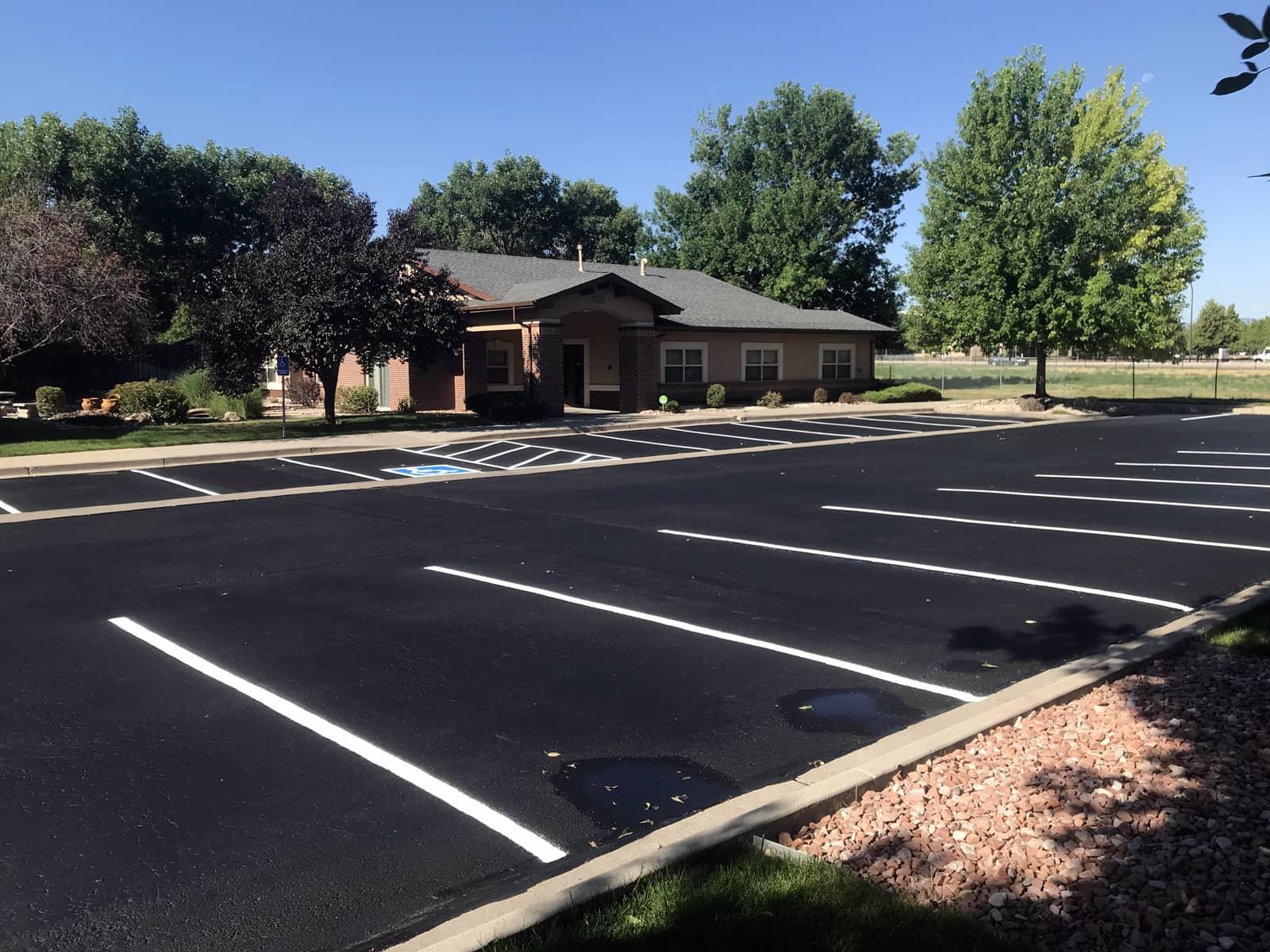
Commercial Parking Lot Repair – Denver, CO

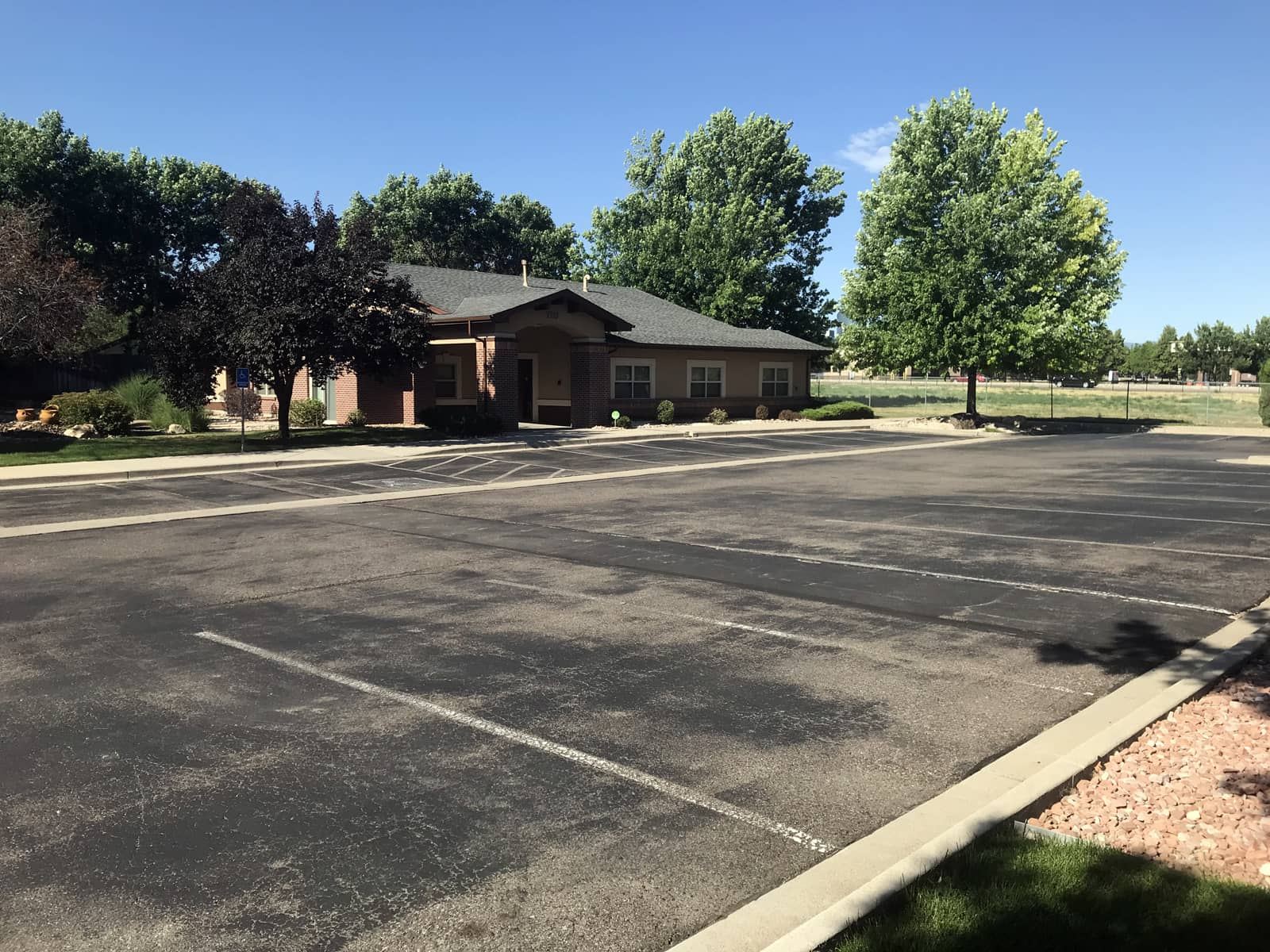
Commercial Parking Lot Repair in Denver, CO

This project in Denver, CO was a commercial parking lot in need of a full repair. The property manager wanted to avoid the need for major repairs, choosing preventative maintenance over costly replacement.The team at Colorado Pavement Solutions honest approach always means our customers pay for what they need.

Our team completed the following improvements:

How to layout a Parking Lot for striping

How to Layout a Parking Lot for Striping

Parking lot striping keeps vehicles where they’re supposed to be, keeps your lot looking neat, and makes for a better experience for both visitors and tenants of the lot. If you want a great parking lot – you need proper pavement striping.

Many lot owners prefer to stripe their lot themselves, but you can’t guess when it comes to pavement striping. Let’s learn why you should use a professional for new striping, tips if you want to stripe your lot yourself, and how to prep for a re-stripe.

New Striping

If you’re striping a lot for the first time, it’s recommended you hire a professional striping company. Though you can likely lay lines and paint pretty spots, designing a parking lot is a blend of engineering, difficult decisions, and a lot of math.

An amateur new stripe layout can cause traffic jams, poor lot layout, and at the worst can cause fenders benders that will get blamed on the lot owner. A professional will lay out your lot for optimal flow and to maximize space.

If you have a small lot with low traffic and want to stripe it yourself, use the following tips:

Decide on Your Layout

You’ll need to make many choices on your layout, even for a small lot. Think about your space and traffic to help decide what type of parking stalls you want including 90-degree spots, 45-60-degree diagonal spots (best used for one ways) or parallel spots.

Decide on Stall Size

  • Typical stall size is 9’ x 18,’
  • Typical compact spot is 7.5-8.5’ x 15-16.’
  • Stripes and lines should be 4” wide and 15 mm thick.
  • ADA Parking Spots Must be at least 8’ across with 5’ of clearance.

Follow ADA Guidelines

ADA Guidelines differ by jurisdiction and state. Call your local jurisdiction to know exactly what you need to for ADA compliance for accessible parking.

Choose Your Paint

Pavement striping paint can be water based or oil / solvent based. Oil and solvent-based paints tend to last longer, work better in colder environments, and are more durable than water based striping paint. On the other side, oil-based based paints are more expensive, harder to clean if you’re ready for a re-stripe, and are not environmentally friendly.

Water based paint is more affordable, more environmentally friendly, and dries faster than oil-based paint but won’t last as long and can freeze in chip in extreme cold.

You need to balance your needs and budget to help decide which type of paint is right for you.

  • Prep Your Surface – All asphalt or concrete will need to be perfectly clean for paint adhesion. Use a commercial pavement cleaner to be sure your paint sticks and wait until it’s completely dry before striping.
  • Choose the Right Day – Only stripe your lot when temperatures are above freezing for 24 hours and there is no precipitation in the forecast. If temperatures are in the 30-50-degree range, an oil-based paint must be used to for proper adhesion. When temperatures exceed 50-degrees, a water-based paint will work.
  • Get Striping – Only use professional striping guides, equipment, and templates for a professional-looking lot. You can find templates and other supplies at your local hardware store. Take your time and slowly apply two coats of stripes.
  • Re-Striping – Re-striping is easier than new striping – you just need to color within the lines. During re-striping you do need to take certain preparation steps including cleaning the surface of dust and debris. It’s recommended to use a professional lot cleaner so your paint will properly stick.

Striping Your Lot

Striping provides safety and organization for your lot but can be difficult to perform by yourself. Use professionals for lot design, use the tips above if you’re striping your own lot, and take proper preparation tips when re-striping. Bright, properly laid out stripes makes for happy drivers.

Tarmac vs Asphalt

Tarmac vs Asphalt

Vehicles need surfaces to drive on. Planes need something to land and take off on. The world depends on paved surfaces. While there are many types of paving materials used around the world, asphalt is undoubtedly one of the most popular. There are many different asphalt formulas and types, and many different nicknames for different types of asphalt.

Blacktop, asphalt, tarmac, bitumen – are all these names for different types of asphalt or are they the same? One of the most common confusions is the terms asphalt and tarmac. Are tarmac and asphalt the same thing or are there major differences? What’s tarmac have to do with airports? Let’s learn the similarities and differences between tarmac and asphalt and what each is best for.

What is Asphalt?

Asphalt is a sticky, black, thick, petroleum-based liquid. In terms of asphalt paving, asphalt is a mixture of asphalt, coarse aggregate likes rocks and stones, fillers and binders, and fine aggregate like sand. Mix all those ingredients with fresh asphalt and you’ll be ready to pave anything. There are many different formulas and mixes of asphalt paving.

What is Tarmac?

You most often hear tarmac associated with runways and airports, but tarmac has been around just a tad longer than flight. Tarmacadam, nowadays shortened to tarmac, is a road surface invented by Edgar Purnell Hooley in 1902.

Tarmac is a mixture of macadam (crushed stone) tar, and sand. The story goes that Hooley visited a tar factory where he saw a barrel of tar had overturned. To keep from sticking it to it, factory workers laid chipped stones over the tar to create a walkable surface. Hooley realized adding tar to the old macadam roads of the past would make them more cohesive. Tar + macadam = tarmacadam paving.

Where do Airports Come in?

Tarmac at the airport is a misnomer in more ways than one. To start, the entire airport is constructed of varied materials like different blends of asphalt, concrete, and more. Surprisingly the type of paved surface you’re least likely to find at a modern airport is tarmacadam. Tarmac only refers to the area where airplanes are parked and is named for a British paving company.

Differences Between Asphalt and Tarmac

  • Asphalt is a mixture of modern chemistry with asphalt, several types of fillers and binders, properly sized aggregate, and more. Tarmac is simply stone, sand, and tar.
  • Asphalt is normally produced directly from other petroleum products while tar can be produced from organic matter like wood or peat.
  • Asphalt will last much longer than traditional tarmac.
  • Asphalt is still used today in a variety of applications while tarmac is only used for specialized projects.
  • Asphalt is more expensive than tarmac installation in most markets.
  • Asphalt can endure different chemicals and stains which can quickly eat away at the tar of tarmac.

Similarities Between Asphalt and Tarmac

  • Both paving products have similar makeups. Both involve a petroleum product, aggregate like stone, and fillers like sand.
  • Both have been used for dozens of years in a variety of paving applications.
  • Both can stand up to heavy vehicles and large loads.

Figuring Out Asphalt vs Tarmac

Asphalt and tarmac have several similarities, but asphalt is still being used daily while tarmac has gone the way of archaic paving surfaces. You’re very unlikely to see actual tarmac at your local airport, but a mixture of modern asphalt and concrete. If you need a mix of a sticky black substance and aggregate your best isn’t tarmac, but asphalt. Still unsure? Give us a call and we’ll help you decide what paving material is best for your project.

Residential Driveway Repair – Denver, CO

Residential Driveway Repair with Alley Access in Denver, CO

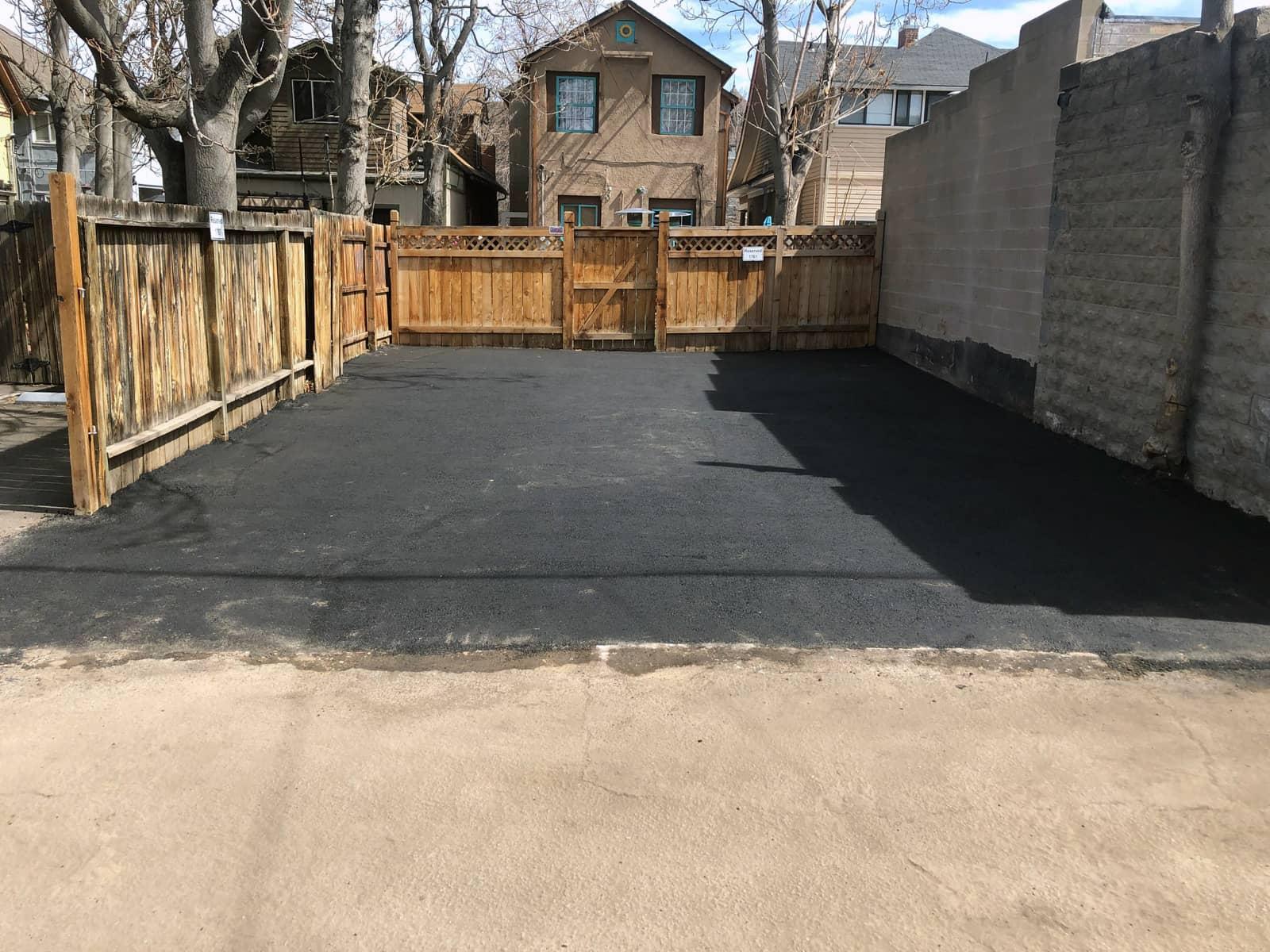
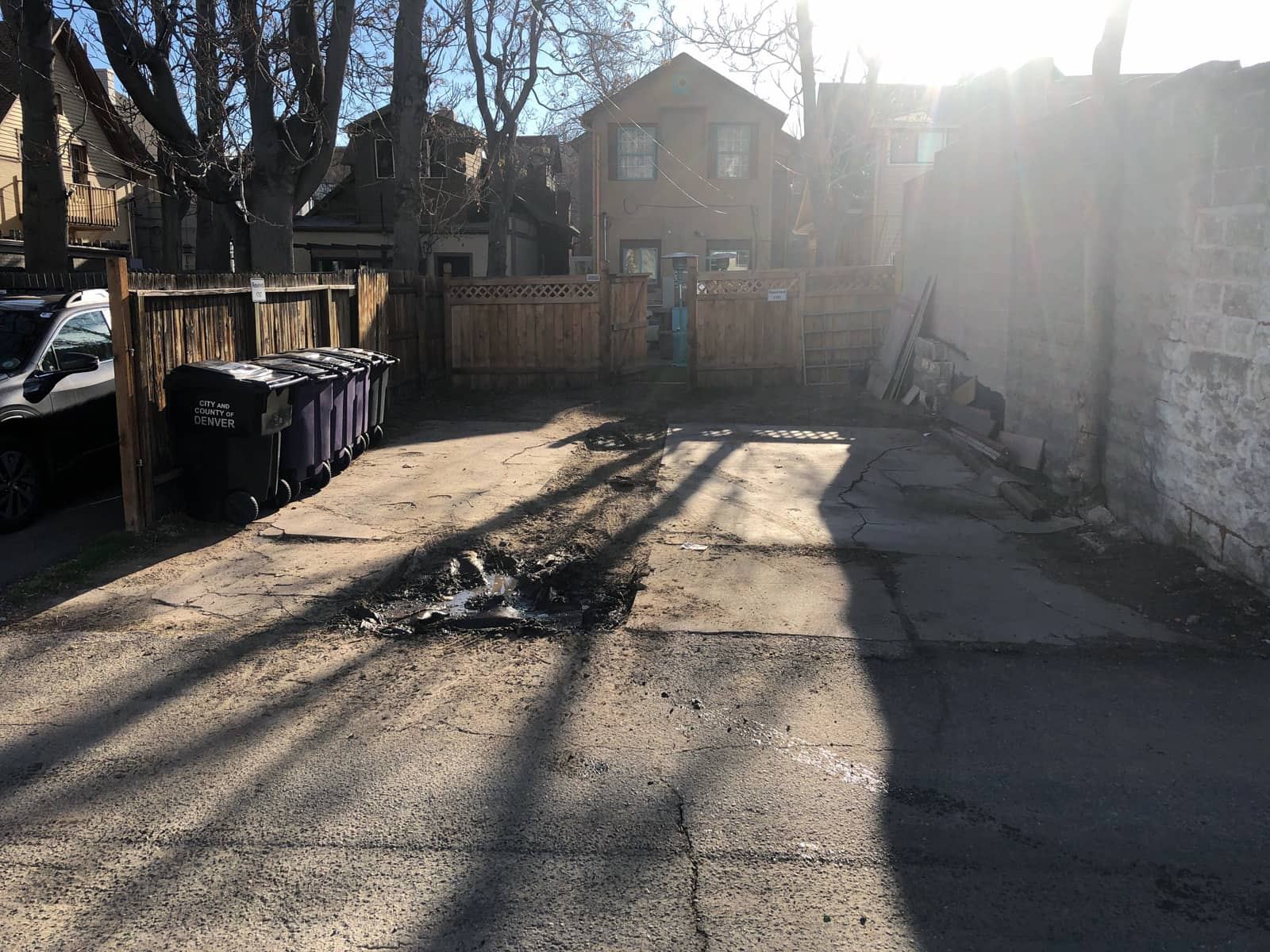
This heavily deteriorated parking area behind a home in Denver was in need of major repair. Driving through the alley access, other homeowners now see a nice visual improvement. What they might not notice is the better drainage and the elimination of a major trip hazard for pedestrians and residents.

Our team completed the following improvements:

  • Residential Driveway Repair

What is an Asphalt Berm?

What is an Asphalt Berm?

Diverting water isn’t anything new. Our ancestors have been diverting and controlling water’s flow for thousands of years – but it’s still important today. Imagine an asphalt driveway where the water can’t flow away from your home. You’ll have puddles, miniature streams in your driveway, and your asphalt will quickly deteriorate.

Luckily, we still know how to control the flow of water and much of that control on your asphalt comes from berms. Asphalt berms, also known as curbs, are small hills or curved walls of asphalt that establish a boundary to your asphalt and provide a direction for runoff, so rain and ice don’t accumulate all-around your property. An asphalt berm is normally 6 to 8 inches tall and normally shaped like a loaf of bread.

The Purpose of Berms

Asphalt curbs have many different purposes, but all are constructed to make your asphalt installation more efficient and less prone to damage.

  • Divert Runoff – Without berms, rain and other runoff would simply fall off your asphalt wherever gravity directed it. That might be the natural way of things, but you don’t water runoff all over your property. Berms help direct runoff and overflow exactly where you need them to go like into a drainage ditch. Berms will keep your property clean and free of damage-causing water. This is especially helpful during the winter to keep dangerous ice slicks from forming.
  • Provide Border – Asphalt berms provide an established boundary for your asphalt and make the project look more cohesive. The berm can keep you from driving off your driveway, can hold onto errant basketballs during some one-on-one on the driveway, and help keep everything contained. With a berm, you don’t have to worry about a tire cracking the edge of the asphalt or other common border damage.

Can You Install an Asphalt Berm Yourself?

It’s recommended to let an asphalt professional install your berm. A berm isn’t just a mound of asphalt but an engineered boundary that needs to stand the test of time. Berms don’t require a formal foundation, but the area behind the berm must be properly dug out and reinforced to keep the berm in place.

The slope of the berm also takes a skilled hand. The berm must be sloped correctly to keep everything in but must also be properly curved to allow you to push out snow or leaves off without damaging the berm or your equipment. For these reasons and more, it’s recommended you use an asphalt professional to install a berm.

Finding an Asphalt Professional for Your Berm

If you need a berm installation on your driveway, you’ll need a great asphalt professional. Look for local contractors with many years of service in the community, get personal referrals from your friends and family, and use consumer review sites like Angie’s List to help you make the best hire. Always get at least three quotes before starting an asphalt berm installation.

Berm it Up

The asphalt curb directs water flow, keeps puddles and ice from forming on your blacktop, and provides a natural border to keep everything where it needs to be. If your asphalt needs a berm, talk to Colorado Pavement Solutions to berm it up and get the best possible asphalt driveway.

Can You Seal a Recycled Asphalt Driveway?

Can You Seal a Recycled Asphalt Driveway?

If you’re looking for an affordable and versatile material for a driveway or road installation, you should consider recycled asphalt. Recycled asphalt, also known as asphalt millings, is more affordable than new asphalt and can still do the job for many projects.

Recycled asphalt is a great material, but can you seal it? Normal asphalt requires sealing to remain at its strongest, but can you do the same for asphalt millings? Let’s learn more about recycled asphalt driveways, sealing asphalt, and if you can seal a recycled asphalt driveway.

Learning About Sealing Asphalt

If you’re interested in installing a new asphalt project, you’ve probably read a lot about sealing, or sealcoating the asphalt – but what does that mean? Sun, wind, and ice can all slowly wear away on your asphalt, but a sealcoat provides a fresh, protective barrier to guard against the elements. You simply clean the asphalt, repair any small cracks or pits, and pour brand new sealcoat on.

Regularly sealing your driveway will minimize damage and make your asphalt look shiny and new for several years. Sealing sounds great, but can you seal an asphalt millings driveway?

How to Seal Your Recycled Asphalt Driveway

Just like new asphalt, you can seal a recycled asphalt driveway. Many homeowners can seal their new asphalt driveways by themselves, but asphalt millings are a little trickier. Since asphalt millings come in a wide variety of quality, you can’t always just dump a coat of sealcoat on and expect everything to work out.

For sealing asphalt millings, it’s recommended you contract an asphalt professional. A professional asphalt contractor will inspect your asphalt millings, determine if any fillers or small repairs are needed, and help choose the right sealcoat and application method for your unique situation. They can also help determine if you can sealcoat the driveway yourself down the line.

Hiring an Asphalt Professional

Like most asphalt jobs, you’ll likely need to hire professional help for sealing your recycled asphalt driveway. Look for an asphalt contractor that has experience with asphalt millings and knows the best ways to sealcoat recycled asphalt in your unique environment. Colorado’s unique environmental factors make any asphalt job more challenging, so be sure to hire an experienced company with their own crews. With a local expert you’ll get a great sealcoat that should last.

Sealing Recycled Asphalt

You can sealcoat recycled asphalt, but make sure you know what you’re doing by hiring a professional first. Asphalt millings might not last as long as new asphalt but it’s the perfect material for affordable asphalt installations. If you aren’t sure whether your driveway is paved with millings, give Colorado Pavement Solutions a call and we’ll help you determine what your driveway is made of and the best plan for maintenance.

The Difference Between Asphalt and Concrete

What’s the Difference Between Asphalt and Concrete?

Paved surfaces take up thousands of square miles across the United States. If you need a way to get from your street to your driveway or need a place to park while you go shopping, you used a paved surface. While there are a few different options for paving, two stand above the rest – asphalt and concrete.

If you’re building a new driveway or trying to pick a material for your parking lot, you’ll need to choose between asphalt and concrete – so which one is better? Let’s look at the individual pros and cons of asphalt and concrete as a paving surface so you know what’s right for your project.

Concrete Advantages

  • Strength – Concrete is among the strongest choices for residential paving projects. It can handle heavy loads without issue and won’t mind if you have to park the RV on it for several months.
  • Longevity – A professionally laid concrete driveway can last upwards of forty to fifty years if properly maintained.
  • Aesthetic Variety – Concrete can be stamped, rolled with patterns, and even tinted for your aesthetic preferences. Asphalt cannot be customized.
  • Low-Maintenance – Concrete requires little maintenance over its lifespan. Homeowners will need to fix any evident damage before it spreads and occasionally degrease their concrete.

Concrete Disadvantages

  • Cost – Concrete is among the most expensive residential paving materials. Individual costs vary by region and material choices, but a concrete driveway or sidewalk can easily cost tens of thousands of dollars.
  • Stains More EvidentOil stains and other marks are much more evident on concrete than they are asphalt.
  • Expensive to Repair – Even smaller concrete repairs are expensive while larger repairs may cost thousands.

Asphalt Advantages

  • Affordable – Asphalt is so popular in part to its affordability. An asphalt project can cost hundreds and possibly thousands less than that same project in concrete.
  • Beauty – It’s hard to deny the aesthetic appeal of a fresh, gleaming blacktop.
  • Bends but Doesn’t Break – Asphalt swells and shrinks with the weather. In other words, it bends in extreme weather where concrete may break.
  • Repairs – Asphalt is much less expensive to repair than concrete. Many homeowners can complete simple asphalt repairs.
  • Long Lifespan – Asphalt doesn’t normally last as long as concrete but with proper installation and maintenance can last upwards of twenty to thirty years.

Asphalt Disadvantages

  • Sensitive to Extreme Temperatures – Asphalt can handle most temperatures thanks to its ability to shrink and expand but might struggle with extreme cold or heat. Extreme cold makes the asphalt more susceptible to physical damage like chips and cracks while extreme heat can cause the asphalt to become susceptible to pitting and other surface damage.
  • Maintenance – Asphalt needs proper maintenance to last its longest. Proper asphalt maintenance includes taking care of small cracks before they become big issues and regularly sealing your asphalt.

Overall Winner – Asphalt

The perfect paving choice will always come down to the individual project, but overall asphalt is our number one choice for all the reasons listed above, especially affordability. For most homeowners, the value of asphalt along with its benefits makes sense for most residential projects.

Choosing Between Asphalt and Concrete

In the end, whether you choose concrete or asphalt depends on your needs, budget, and several other factors. For expert help, give us a call to discuss materials, needs, and budget to help make your choice. Both concrete and asphalt are great when they’re the best choice for your project. Colorado Pavement Solutions can help you decide whether asphalt or concrete is the right choice for your commercial or residential project.

Chip Seal vs. Asphalt

Chip Seal vs Asphalt

Every paving project has its own unique needs, which means not every project should use the same material. There are many different options when it comes to paving a driveway, personal road, or parking lot, so which one is best? If you’ve done some research on affordable paving materials, there are two that will come up often – asphalt and chip seal.

Both asphalt and chip seal has unique advantages and disadvantages for different paving projects and needs, so you must do some research to find the right one for you. Luckily, we’ve laid out some of the most common pros and cons of both to give you a great start.

What is Asphalt?

Paving asphalt is a mixture of petroleum byproducts, fillers, binders, and aggregates like sand and stones. Asphalt is one of the most popular paving materials in the world due to its affordability and versatility.

Advantages of Asphalt

  • Versatile – You can use asphalt for several different projects in several different climates including sidewalks, patios, driveways, roads, and more.
  • Cost-Effective – Asphalt is one of the most cost-effective large-scale paving materials. Despite its affordability asphalt can last anywhere from twenty to thirty years while chip seal paving projects only last ten to fifteen years.
  • Durable – Asphalt can handle heavy loads and the elements without failing. Asphalt can also handle much more traffic than chip seal roads without damaging.

Disadvantages of Asphalt

  • Requires Maintenance – Asphalt requires regular maintenance including inspections, minor damage repair, and sealcoating. Most asphalt installation companies offer low-cost inspection and maintenance programs.
  • Extreme Temperature Sensitivity – Asphalt is sensitive to both extreme cold and hot. Extreme cold can make asphalt more susceptible to cracking and chipping while extreme heat can make asphalt malleable.

What is Chip Seal?

If you’ve driven down a back-country road, a fancy driveway, or used passage roads along farmland, you’ve likely driven on top of chip seal, the ‘original’ paving style. In a chip seal road, a thin layer of asphalt is laid down before layers of crushed stone and aggregate are compacted on top of the asphalt.

Chip seal is also known as macadam, named for a Scottish pioneer for paved roads. The engineer John McAdam invented the revolutionary crushed stone layer roads with binders in the early 1800s. Though modern chip seal takes advantage of better binders, they still resemble McAdam’s macadam style roads.

Advantages of Asphalt

  • Multiple Appearances – Asphalt is only available in classic black, but you can choose different top-coatings for chip seal projects like river rock, slate, brick, granite, and more. You can match your property’s style with a chip-seal driveway.
  • Cooler – Because it’s not jet-black, the chip seal will not absorb as much heat during the summer. The lighter the color, the cooler your chip seal paving project will be.
  • Less Expensive – Chip seal is more affordable than asphalt projects of the same scope.

Disadvantages of Chip Seal

  • Not Long Lasting – Due to its low durability, a chip seal is often used for low traffic purposes like private roads and driveways. Asphalt projects can last anywhere from twenty to thirty years while chip seal projects typically last ten to fifteen years. The more traffic on the chip seal, the shorter its lifespan.
  • Susceptible to Weather Damage – Chip seal driveways and roads are more susceptible to snow, ice, driving winds, and other elemental forces than asphalt.

Choosing Asphalt or Chip Seal

Both asphalt and chip seal have their unique advantages and disadvantages. If you need a low-traffic passage for your backcountry property, chip seal can likely do the job but if you need a long-lasting driveway for your suburban home, you’ll need the durability of asphalt.

To figure out your paving project contact Colorado Pavement Solutions for a no obligation estimate. With some homework and our expert’s help, you’ll find the perfect paving choice for your next asphalt project.

Request Estimate