Our Blog

Archive for Announcements – Page 6

Parking Lot at Highland Apartments – Denver,CO

Parking Lot Project – Highland Apartments in Denver, CO

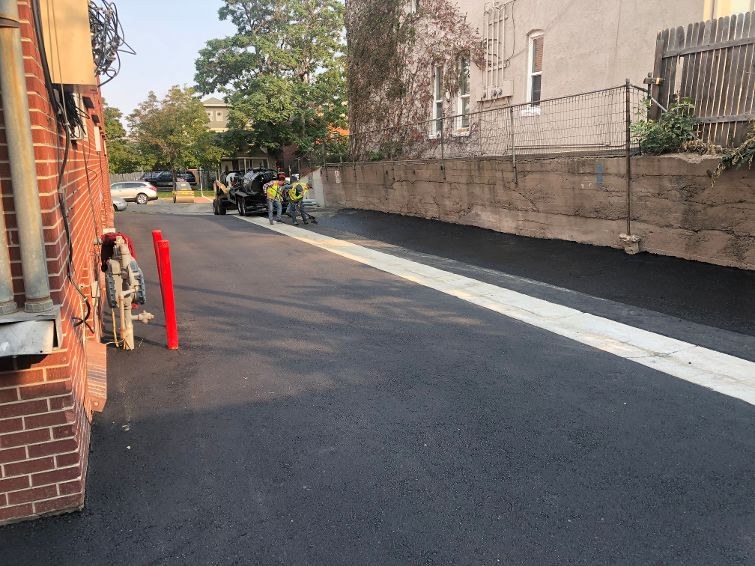
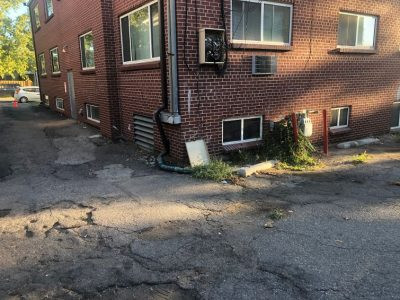
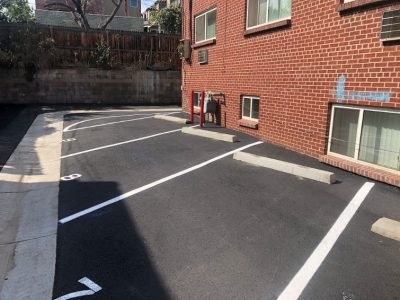
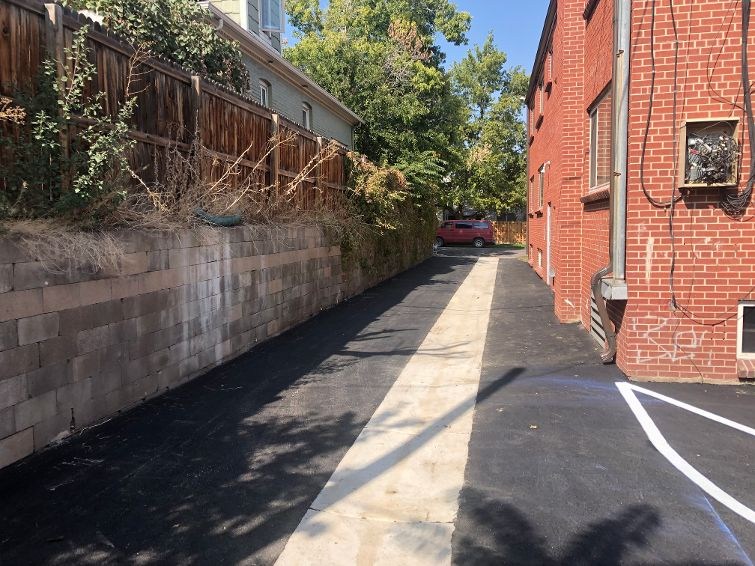
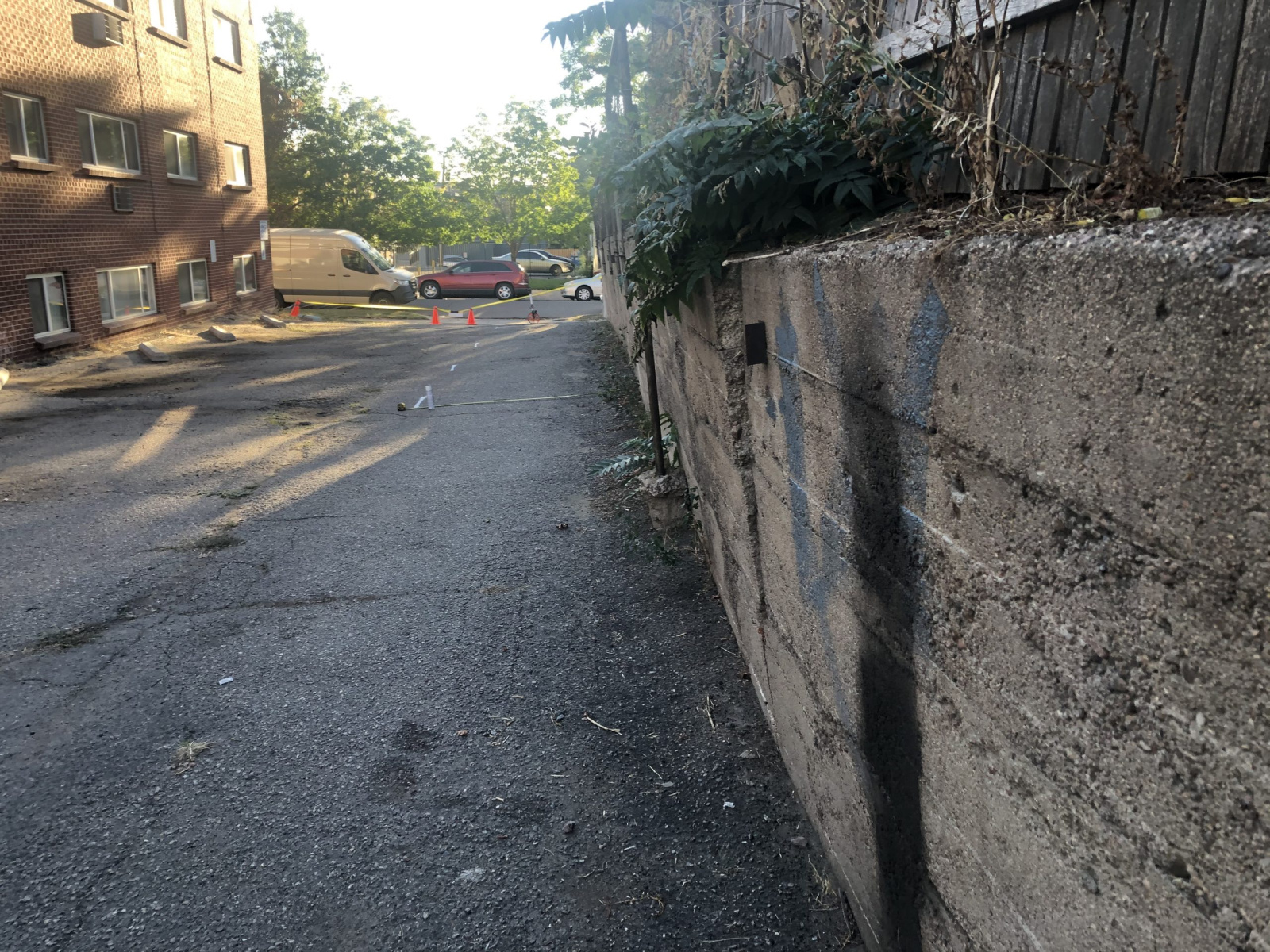
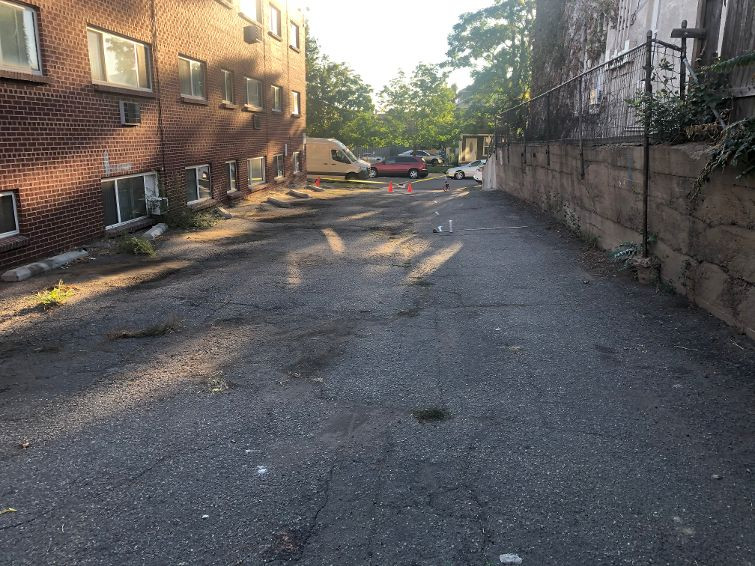
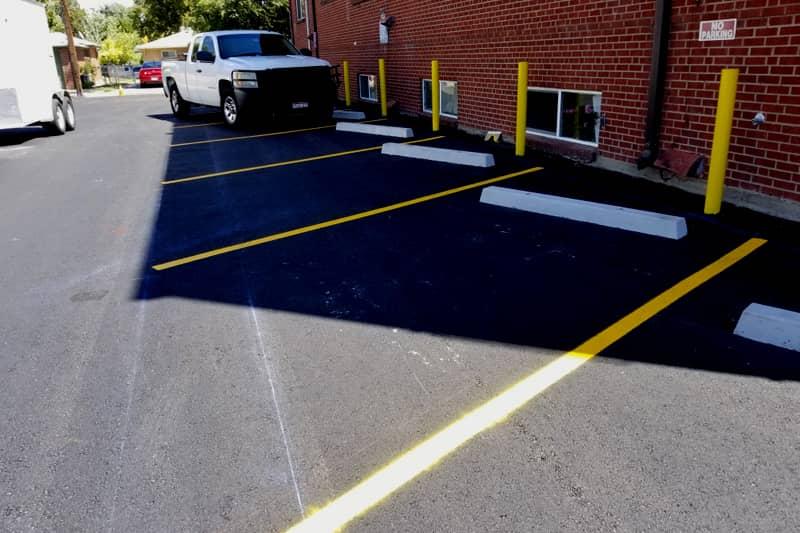
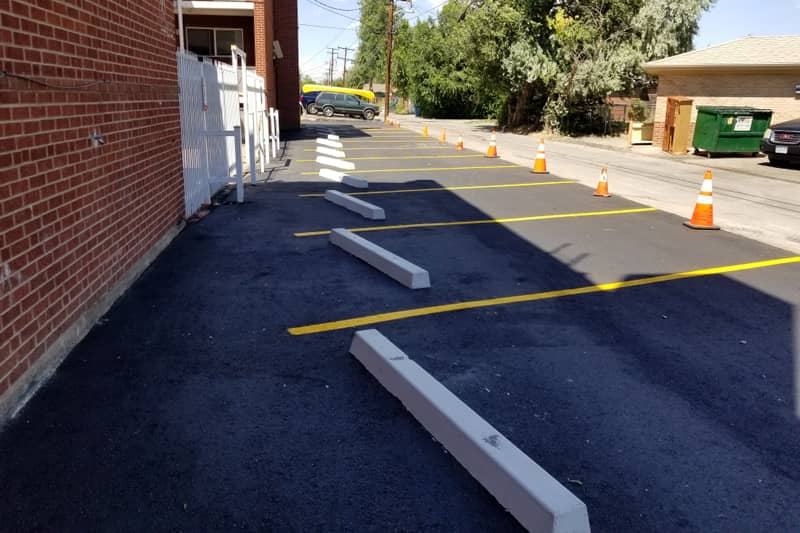
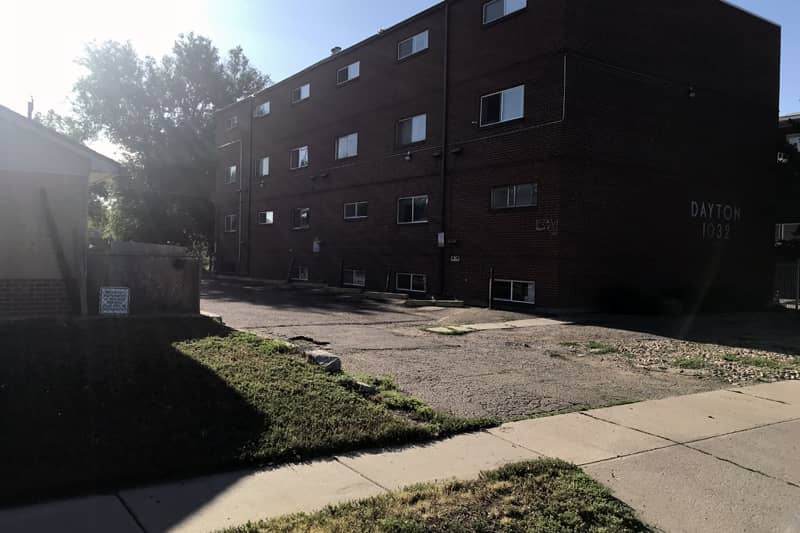
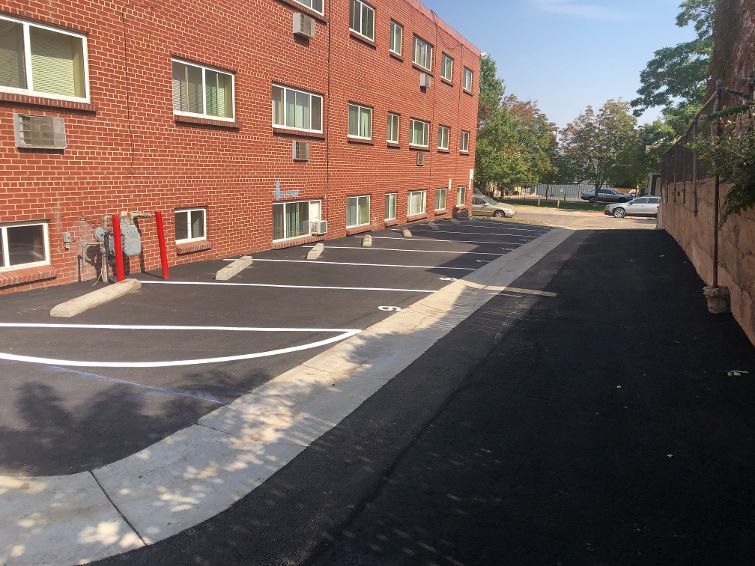
The Highland Apartment in Denver, CO is a small apartment complex that had a very aged and deteriorated parking lot. The team at Colorado Pavement Solutions assessed the lot and determined the best long term solution was to remove and replace the entire parking lot. Our team also realized that installing a concrete valley pan to move water out of the lot would preserve the asphalt parking lot and prolong its usable life span.

During our assessment, we became concerned about the integrity of the adjacent property’s retaining wall. As such, we recommended the property owner have it assessed by an engineer prior to commencing our scope of work. We were concerned demolishing the asphalt with a skid steer hammer might compromise the integrity of the retaining wall. It turns out the engineer our customer employed to assess the wall concurred with our assessment. As a result, we altered our scope to instead leave the existing 8 feet of asphalt along the entire wall. In doing so, we avoided a potentially catastrophic collapse of the retaining wall during demolition of the asphalt. Instead we adjusted our proposal to simply leave his existing asphalt and sealcoat it to match the appearance of the newly installed asphalt. Excluding the 8 feet of asphalt near the retaining wall, the rest of the parking lot was replaced by our asphalt and concrete crew.

Our team completed the following improvements:

  • Removal of Existing Asphalt within a Safe Distance from Compromised Retaining Wall
  • New Asphalt Installation
  • Concrete Valley Pan Installation for Proper Drainage
  • Sealcoating
  • Re-striping to reconfigure the lot for safe and efficient parking

Parking Lot Replacement – Denver, CO

Parking Lot Replacement Project – Denver, CO

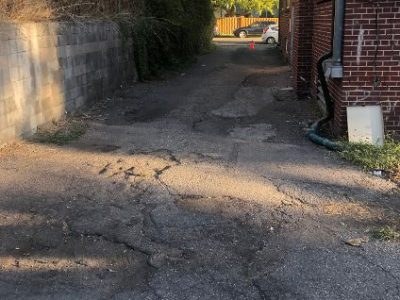
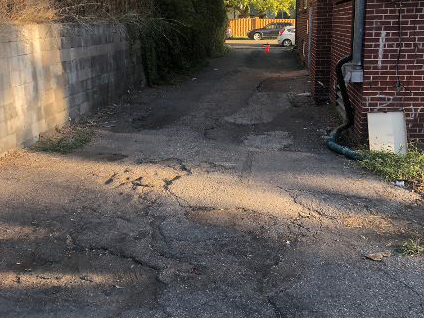
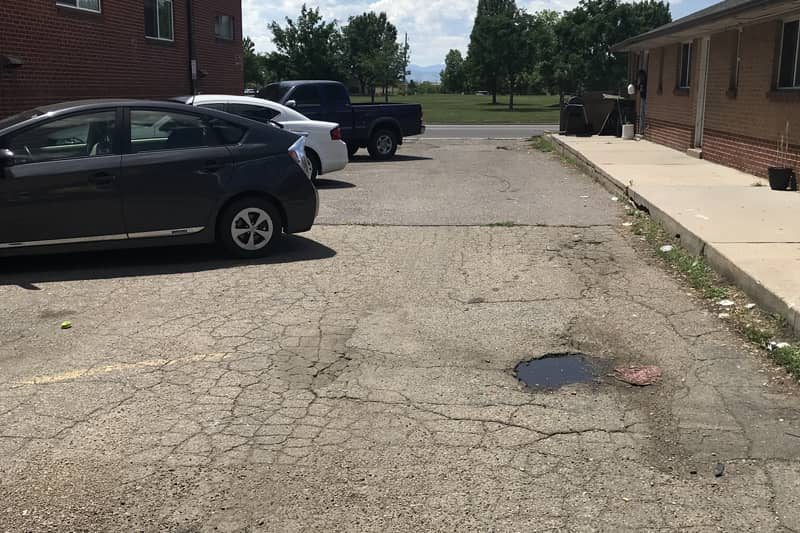
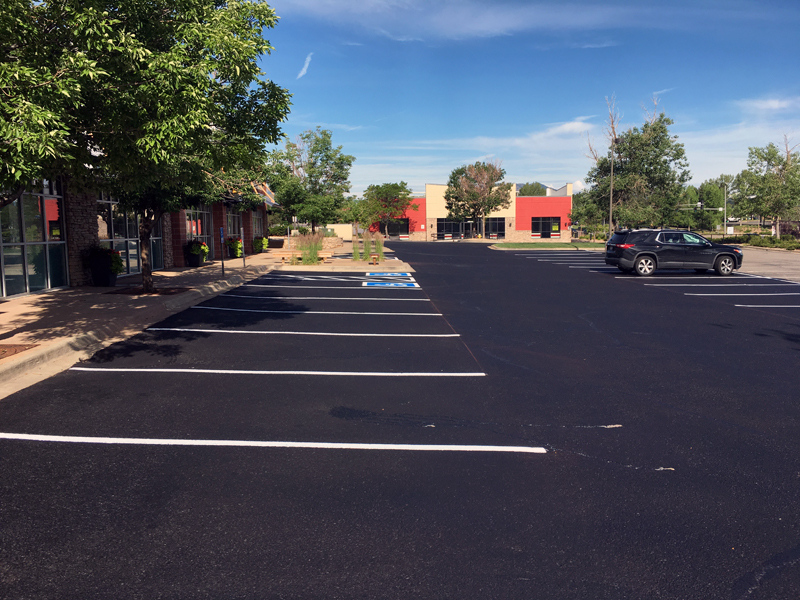
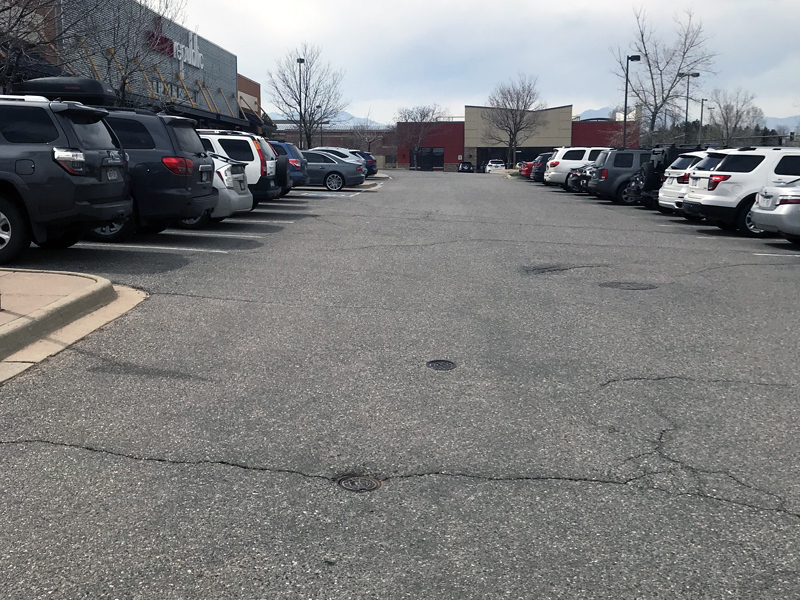
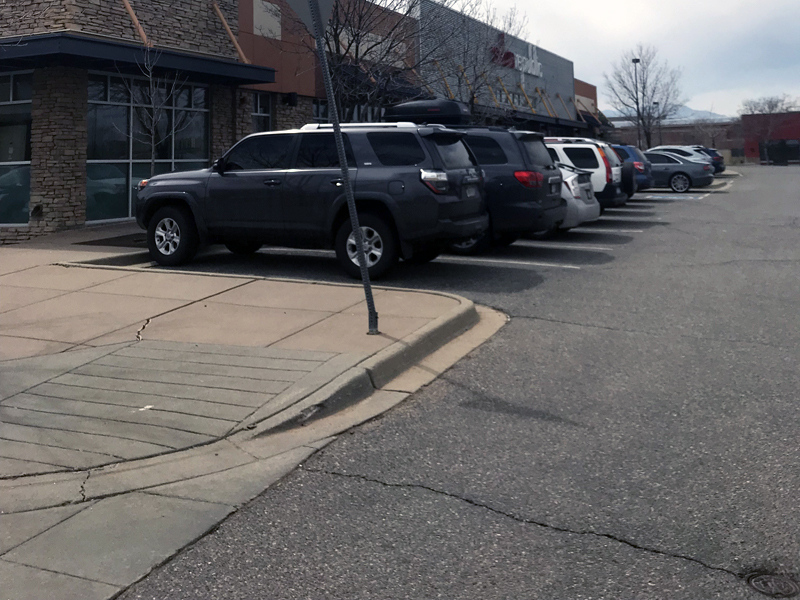
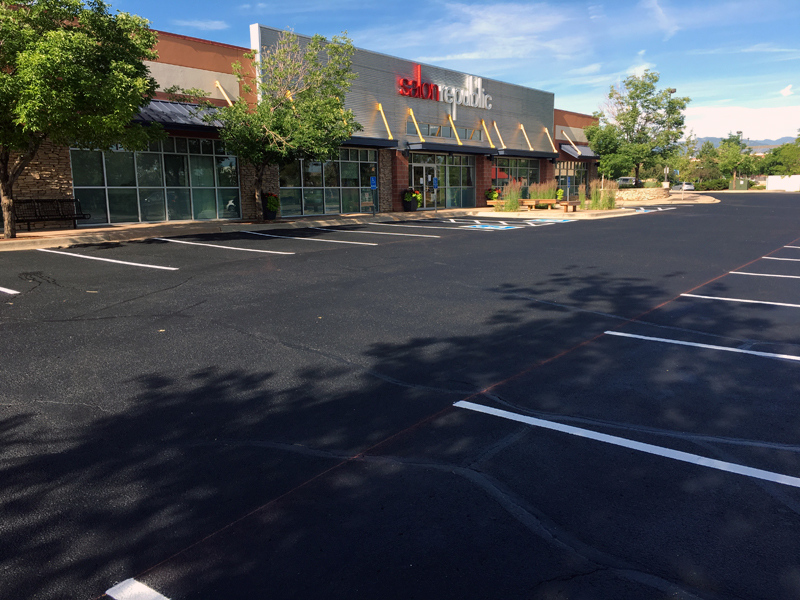
This parking lot in Denver, CO was in complete disrepair making a full replacement the best option for the property owner. The state of the asphalt was a danger to pedestrians with multiple potholes, raveling, cracks and trip hazards. In addition, the parking lot striping was barely visible, creating an unorganized lot for tenants and visitors. In this instance repairing the damaged asphalt would have been more time consuming and cost more than a full replacement.

Our team completed the following improvements:

  • Removal of existing asphalt parking lot
  • Installation of new asphalt parking lot
  • Re-striping of the parking lot for safe and efficient parking
  • Parking Bollard Installation/repair
  • Curb Stop Repair/Replacement

How Many Inches of Snow Before You Plow?

How Many Inches of Snow Before You Plow?

Snow. It’s beautiful and brings a sense of wonder when it falls. It can also be a major pain. Every winter a significant chunk of the U.S. must deal with snow and how to get it removed from their driveways, sidewalks, and parking lots. That’s where snow removal services come in.

Snow removal service can help you deal with snow on residential or commercial properties but if you’ve just moved to a cold weather state and are dealing with snow for the first time, how does it work? Let’s get an overview on how many inches of snow before you plow, factors in snow removal price, and how to hire a great snow removal service.

Minimum Amount of Snow to Plow

There are no standard limits on the minimum amount of snow to warrant plowing. While some homeowners don’t plow their driveway until they see at least 6 inches, your city or HOA might require you to plow when you reach certain thresholds including small dustings. If your city or HOA has a set amount – that’s your minimum amount.

For others, a general rule of thumb is to plow before it becomes difficult to use the parking lot, driveway, or sidewalk safely. For a construction site parking lot full of trucks this could be as high as 6 inches or a low as a dusting for standard lots. Many businesses don’t want snow to create hazards at all and call out the snow removal service for any trace of snow. Plowing after any snow, even small amounts, is the best way to reduce your chances of snow or ice-related injuries or issues.

Commercial Snow Removal Rates per Square Foot

Commercial snow removal rates per square foot are difficult to pin down without more information on what you need plowed. Going rates depend on the region, the demand for snow removal, and other physical factors.

Factors in Snow Removal Rates

  • Time to Remove Snow – How much do you need to plow? Due to different factors like volume or storms that continuously dump fresh snow, most snow removal services charge hourly rates as opposed to square foot rates. The larger your lot, the more time it will take. Like any other service a snow removal service may offer better rates for more work (time) though that depends on the company and your contract.
  • Volume – There are several types of snowfall and snowplowing contracts to match snowfall volume. It’s much more work to clear a parking lot of 16 inches of snow compared to 6, and prices per square foot will reflect that. Many snow removal services address volume in their contracts. For example, a removal company might charge you X dollars per square foot for 6 inches of snow or less, a higher rate for 6 to 12 inches, and a higher rate for 12+ inches.
  • Difficulty Factor – Did you hire a snow removal service after the snow in your lot has been compacted down to several inches of ice? Is your parking lot tricky with several nooks and tight turns? Most lots are large flat surfaces that are easy to plow but you might be charged more if the job is exceptionally difficult or requires more time than a normal lot.

Calling for a Quote

You can use these factors to craft a ballpark estimate on what you can expect to pay a snow removal company per square foot, or you can call one. Any reputable snowplow company can discuss your lot or parking area, what type of services they offer, how pricing is affected by different factors, and can give you a quote or schedule of quotes so you’ll know exactly what you’ll pay.

Finding the Right Snowplowing Company

If you need to hire a snow removal service, you need to consider the factors above to make a great hire. There are both shady and reputable snow removal services, so you need to do the research to find a great company. Use this checklist for a great hire:

  • Local – Hire a snow removal service that’s as close as possible. Every snow removal service plans their routes differently but you’re more likely to get efficient service from a service that doesn’t have to drive across town to get to you.
  • Good Reviews – Only hire companies with several positive online reviews from a variety of review sites. Use reputable reviews sites like Google, Angie’s List, and the BBB.
  • Insured – If the snowplow backs into a vehicle, you sure as heck don’t want to pay for it. Always be certain a snow removal service is fully insured before signing a contract.

Get Your Quote, Say Goodbye to Snow

How many inches of snow before you plow depends on your lot, its traffic, and many other factors but most businesses plow their lots after 2 to 3 inches. Snow removal rates vary by contract, environment, and more but you can get a free estimate by calling your local landscape or snow removal service. Get your quote, sign the right contract, and the next time snow hits you can relax instead of grabbing the salt and shovel.

Parking Lot Project – Power Motive

Power Motive Parking Lot Project – Denver, CO

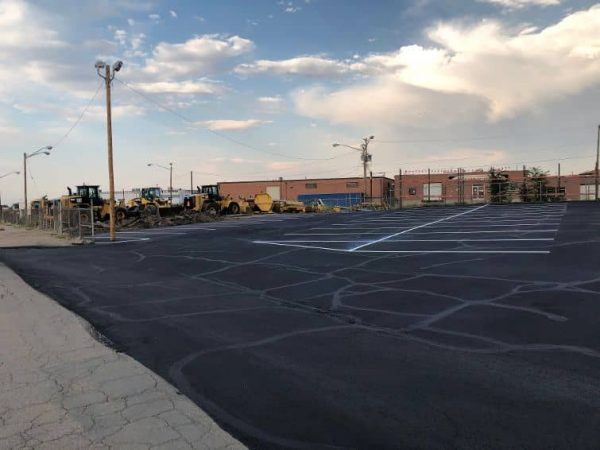
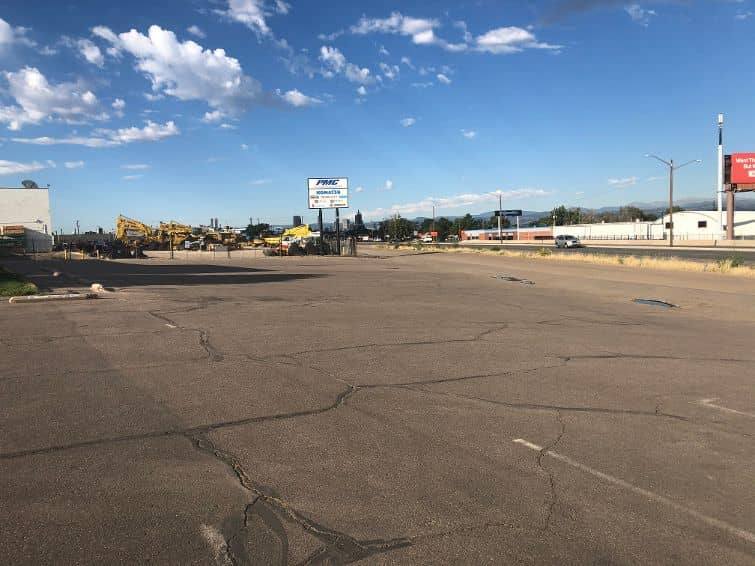
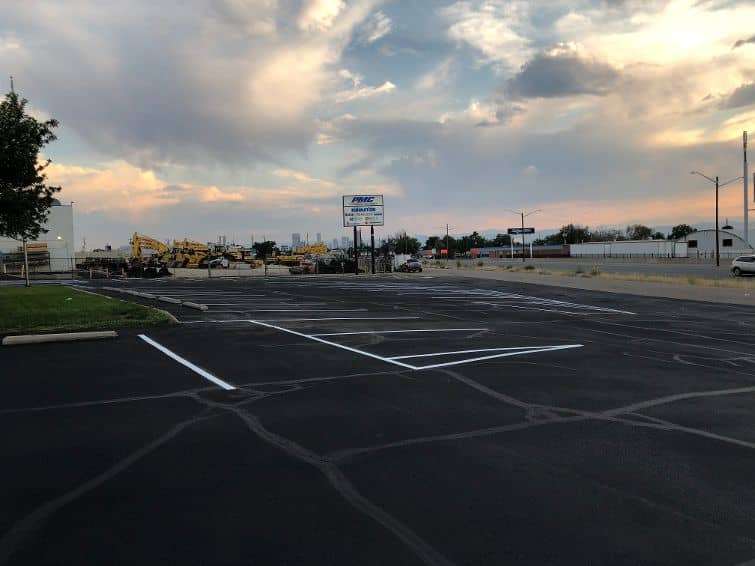
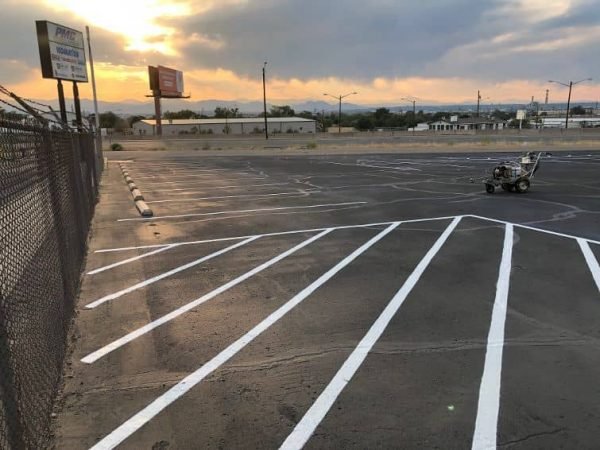
When Power Motive in Denver, CO needed to reconfigure and add parking spaces to their lot, they called Colorado Pavement Solutions. In order to increase their parking lot capacity we extended their parking lot into some unused yard space, adding 8 new parking spaces. After expanding the lot we seatcoated the existing parking surface before restriping. Restriping allowed us to add an additional 6 spaces, making for a total increase of 14 parking spots on their lot.

Our team completed the following improvements:

  • Expansion of current parking lot area into unused yard space
  • Asphalt Sealcoating of current parking area
  • Re-striping to reconfigure the lot for additional parking stalls to accommodate customers

Industrial Parking Lot – Aurora, CO

Industrial Parking Lot Paving Project in Aurora, CO

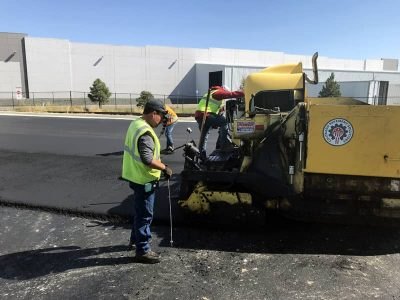
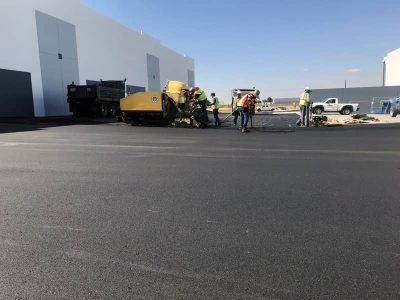
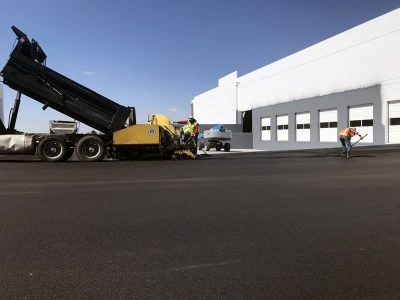
Colorado Pavement Solutions was tasked with laying a new asphalt parking lot at an industrial building in Aurora, near Denver International Airport. Our team installed a new asphalt mat, which as you can see in the pictures, is uniform and smooth. This parking lot project showcases our capabilities and professional finished product.

Our team completed the following improvements:

  • Brand new asphalt parking lot installation in Aurora, CO

Parking Lot Repair – Broomfield, CO

Parking Lot Repair Project in Broomfield, CO

This parking lot repair project in Broomfield, CO did not require a mill and overlay because the owner addressed the issues before the asphalt was too far gone to repair. The team at Colorado Pavement Solutions was able to repair the asphalt and restripe the parking lot for added safety. Addressing small parking lot repairs before they turn into replacement projects saved this owner a lot of money.

Our team completed the following improvements:

How to Repair Potholes

How to Repair Potholes

Pavement covers thousands of square miles in the U.S., and all that pavement needs proper maintenance to keep America moving. One of the most common paving issues, especially in asphalt, is potholes. Potholes can roll ankles, damage your suspension, and are ugly to look at.

If you have a pothole on your asphalt pavement, you need a thorough repair to avoid future problems, but what if it’s cold out? The thawing and freezing cycles are one of the biggest reasons for potholes, but you can’t make a permanent fix in the middle of December. Asphalt needs warm temperatures to properly cure but don’t worry, there are temporary solutions.

Let’s learn the two different ways you can repair potholes including the differences between temporary and permanent fixes, why there are two different steps, and how to make sure your repair sticks.

How to Temporarily Repair Potholes

You can’t always make a permanent repair on asphalt immediately. In some cases, you will need to make a temporary patch on asphalt until you’re ready for a permanent fix. Why can’t you make a permanent fix every time? Because of two key reasons – temperature and compaction.

Hot-mix asphalt, the asphalt that makes up our highways, requires certain temperature thresholds to set and compact properly. Hot mix asphalt that’s poured into a cold environment will not compact properly. An improper pour leads to asphalt that will chip and damage easily. Never attempt a hot-mix repair unless temperatures are well above freezing for many consecutive days. However, if you do have temperatures, this is called skin patching and it may require help from a professional paving company.

While hot-mix repairs might be out of your expertise, most homeowners can handle temporary, or cold-mix, asphalt repairs. To patch a pothole with cold-mix asphalt, follow these simple steps:

  • With a broom, clean the pothole of all loose debris including dust, dirt, and any rocks.
  • Fill the hole with cold-patch asphalt, available from your local hardware store. Pour the asphalt approximately a ½” above the surface.
  • Compact the asphalt with a tamper, or any heavy object that provides a level, weighted surface, like a shovel. Then drive over the pothole with your front tires without turning your wheel while over the newly installed cold-patch asphalt.
  • Let the patch cure. A patch can handle normal traffic immediately, but you should wait at least three weeks before turning wheels or parking vehicles on top of the cold patch.

If you’re ever uncomfortable with making the patch yourself, call your local asphalt company for a quick fix.

How to Permanently Repair Potholes

If mother nature grants you warm temperatures (well above freezing for 48+ hours) you can make a permanent pothole repair. Unlike cold-patch repair, permanent pothole fixes are more complicated and normally require the expertise of a local paving expert.

An asphalt expert will properly remove the temporary patch, clean the pothole of all debris, pour a perfectly formulated hot asphalt mix into the pothole, and compact it to the perfect density. A few hours later, your asphalt is as good as new.

Repairing Potholes the Right Way

Skin patching and installing cold-patch asphalt are among the temporary repairs for a pothole. They typically don’t last a long time and may require future permanent repairs. For temporary repairs during the colder months use cold-mix asphalt and save a skin patch with hot-mix asphalt repair for the professionals when the weather permits. If you want to repair the pothole properly and for the long run, Colorado Pavement Solutions will recommend a full depth removal and replacement patch of the asphalt around the pothole. Repair your potholes the right way, and you can enjoy your pavement as it was intended. Call us today for a free estimate on pothole repair.

Mill and Overlay Project – Morrison, CO

Lyon’s Ridge Neighborhood Mill and Overlay Project

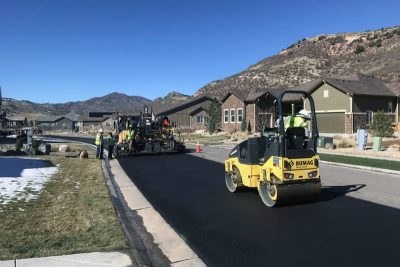
At the Lyon’s Ridge subdivision, south of Morrison, CO the road was collapsing as a result of weak spots. Our expert team patched out the weak spots then proceeded to mill 2″ following up with an inlay of 2″ of newly paved asphalt.

Our team completed the following improvements:

  • Patched out weak spots that caused collapsing of the previous asphalt work
  • Milled 2 inches of existing asphalt
  • 2 inch inlay of newly paved asphalt

Does your drainage cause Asphalt driveway heave?

Does Your Drainage Cause Asphalt Driveway Heave?

Asphalt has become one of the most popular paving materials in the world due to its durability, flexibility, and affordability. Asphalt makes a great paving choice for your private road or driveway but like any other construction material, asphalt has its weaknesses and subtleties that can ruin your day.

Many of the most common asphalt driveway issues, like heaving, are due to poor or inadequate drainage. Does your drainage cause asphalt driveway heave, or is there something else at play? Let’s learn more about asphalt driveway heave, why it has to do with drainage, and how homeowners can keep heaving at bay.

What is Asphalt Driveway Heaving?

Asphalt driveway heave, also known as frost heave, is a common asphalt problem in colder climates. Heaving is caused when moisture trapped under your asphalt freezes and thaws. When the moisture pockets freeze, they expand, which can push your driveway up as much as three to four inches. Once the area thaws the asphalt sinks to its original position which could cause cracks, breaks, and dips in your asphalt. This cycle of heaving and thawing can cause injury hazards, cracks and other issues, and at its worst could compromise the integrity of your driveway.

Does Drainage Cause Asphalt Heave?

The more moisture that’s trapped under your asphalt, the more severe heaving homeowners can expect. Poor drainage around your asphalt could mean hundreds of gallons of moisture are trapped underneath your asphalt instead of draining to the proper channels. Groundwater can cause issues under asphalt, but it’s normally drainage from your property. Cracks in your asphalt can also allow water to infiltrate the subgrade under your asphalt.

How to Remedy Frost Heave and Poor Drainage

Walk around your asphalt driveway during a rain or snowmelt. Are there areas where water is seeping beneath your asphalt? Is there a gutter that empties directly onto the asphalt? Look for any areas where excessive amounts of runoff might be entering underneath your driveway.

While no asphalt driveway is heave-proof, the less chances moisture has to enter the ground below your asphalt, the better. If there are obvious areas where moisture is entering, homeowners can re-route drainage, build berms, seal cracks and otherwise redirect any water that could be causing heaving issues. You might not be able to mitigate all water from getting underneath your asphalt but the less water, the less likely you’ll experience heaving.

Fixing Asphalt Heaves

While you can mitigate your chances for heave, there is nothing much homeowners can do with active heaving other than wait for a thaw and any necessary fixes. Heaving may look terrible, but it won’t always cause secondary damage once the area thaws.

Using Asphalt Experts for Heaving

If you need help mitigating heaving or repairing your asphalt after a frost heave, it’s best to contact a local asphalt professional. A local asphalt professional can help determine if your asphalt is the victim of heaving, what can be done to mitigate future heaving, and can repair cracks or other damage that results from heaving. If you’re suffering serious heaving, more extensive repairs might be necessary to fix the root of the problem.

Better Drainage for Better Asphalt

Don’t deal with a heaving driveway this winter if you don’t have to, fix your drainage, have an expert look, and take the right steps to keep your asphalt in place no matter how cold it gets. If you’ve experienced some having after this winter, contact Colorado Pavement Solutions for a free estimate on repairing or replacing your affected asphalt or concrete.
Request Estimate