Archive for:

Author Archive for Admin – Page 10

What is the Cement Block in a Parking Lot Called?

What are Parking Concrete Blocks?

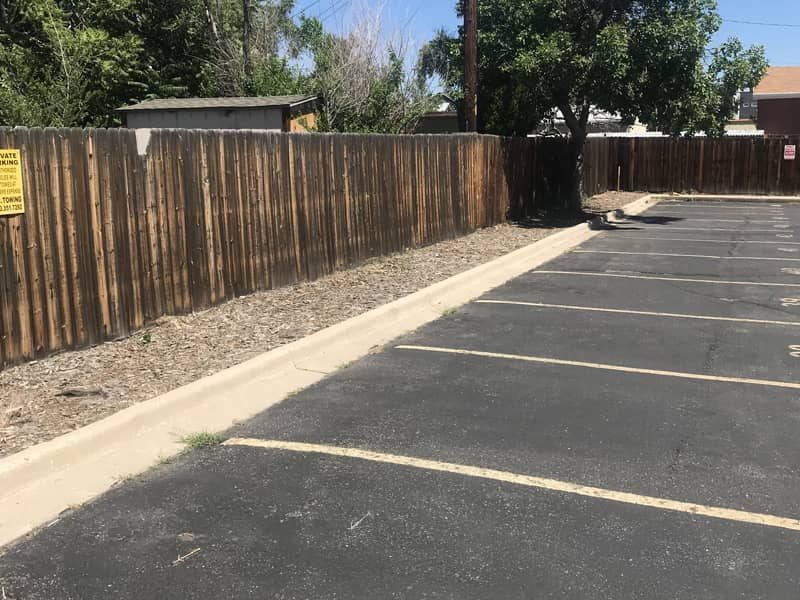
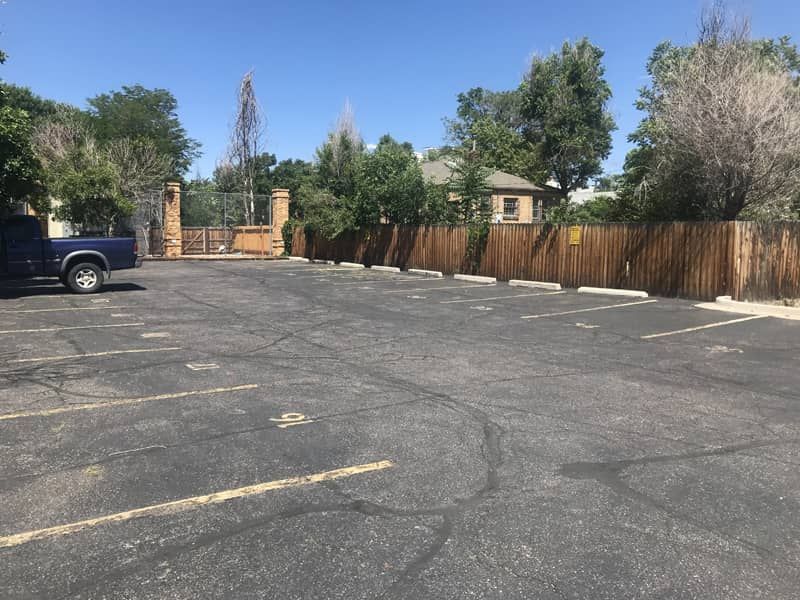
How many times have you ever pulled into a parking space, not paying attention and bumped to a stop on that block at the end of the space? Have you ever given thanks to these neat little devices, or is it difficult to thank something you don’t know the name of? What is the cement block in a parking lot called? Let’s find more about these simple but effective devices and the surprising benefits they bring to your parking lot.

The Many Names for Parking Blocks

Parking blocks have many different names. Depending on the manufacturer and region, you can call them parking blocks, parking stops, curb stops, and more. No matter the name, the parking block is the concrete or rubber stop installed at the head of parking spaces across the country.
You don’t often think about parking stops until you run into one and thank it for saving your vehicle, but there’s more to these simple devices than meets the eye. Let’s learn more about the versatile parking block and what high-quality parking stops can do for your parking lot.

What Can Parking Cement Blocks Do for Your Parking Lot?

Safety – The last thing you want is someone rear-ending someone in your parking lot because it’s in such poor condition or someone driving straight through a tiny parking stop into your retaining wall. Properly maintained parking blocks keep you safe, keeps the drivers in your lot safe, and keeps your building safe. Don’t leave your parking lot to chance; install high-quality parking blocks.

Organization – Properly installed and planned parking stops organize the flow of traffic in and out of your parking structure. Correctly laid parking stops will keep vehicles from cutting others off, park everyone in organized spaces, and bring organization into a chaotic world. Building owners could be held liable for any fenders benders resulting from poorly constructed parking lots and layouts, so use a professional to make sure your parking blocks are appropriately laid out.

Look Professional

Have you ever pulled into a parking lot that had crumbling, missing, or paint-chipped parking blocks? What was the initial impression of that business? A building’s exterior and condition are an advertisement for the businesses inside, and if that exterior is falling apart, you get a poor first impression. Crumbling parking lots say we can’t fix our parking lot, so how could we help you?
High-quality, brightly painted, and professionally installed parking lots look great and will give customers of your business a great first impression. It may not be obvious, but a parking block could make or break your tenant’s next big sale. We can also help with parking lot pavement types and their fixes.

Cement vs. Rubber Parking Block

If you’ve decided your parking lot needs an upgrade with new parking blocks, you have a big decision in cement vs. rubber parking blocks. Which one is right for you?

Advantages and Disadvantages of Cement Parking Blocks

Advantages and Disadvantages of Cement Parking Blocks

  • Affordable – Cement parking lots are less expensive than rubber parking blocks and the more economical option if you have several blocks to install.
  • Construction Headache – Cement blocks are more labor-intensive and may shut down portions of your parking lot while they’re being installed. If you can’t re-route your parking or don’t enjoy construction, you’ll want to choose rubber parking blocks.
  • Durability – Concrete and cement parking blocks are durable but will age faster than rubber parking blocks. Snow, ice, harsh impacts, and other elements will chip away at concrete blocks over time, leaving most concrete parking blocks useless within 10 to 15 years.

Advantages and Disadvantages of Rubber Parking Blocks

  • Strong – Rubber is surprisingly stronger than concrete, at least when it comes to parking blocks. Rubber can bend but doesn’t break when smacked by a vehicle and doesn’t suffer the same wear from the elements compared to concrete.
  • It’s Also Affordable – Rubber blocks are more expensive than concrete blocks, but you should consider the useful life of the parking block too. Cement parking blocks are cheaper out of the gate but must be replaced more often rubber blocks.
  • Long-Lasting – Rubber blocks are the clear pick in longevity. Rubber parking blocks can take a beating, handle nasty snow and ice, and look great for many years. Rubber parking blocks will degrade quicker in harsh environments, but so will cement parking blocks.

Do Right with Professional Parking Blocks

Don’t leave yourself liable for damage from cars running into your structure or running into each other – install great looking high-quality parking blocks. Both rubber and cement parking blocks provide safety, organization, and make your lot look more professional for both tenants and visitors.
They’re affordable, they work, and there’s no reason you shouldn’t look at your parking block situation before there’s an accident. Call Colorado Pavement Solutions to get quotes on different parking stops and make your lot safer today.

Most Important FAQs

Q1: What are the parking lot stoppers called?

Parking lot stoppers are commonly referred to as “wheel stops” or “parking bumpers.” They are also known as “parking curbs” or “car stops.” These are concrete or rubber blocks placed at the front of a parking space to prevent vehicles from parking too far forward.

Q2: What are the concrete parking things called?

The concrete elements used in parking lots are typically called “concrete parking blocks” or “concrete wheel stops.” They serve as physical barriers to define parking spaces and protect structures like walls and curbs from vehicle damage.

Q3: How to block a parking space?

To block a parking space, you can use various methods. One common method is to install concrete parking blocks (wheel stops) or bollards to restrict access physically. You can also use signage designating the space as reserved or off-limits. In some cases, temporary barriers like traffic cones or ropes can be used.

Q4: How to park properly?

To park properly, follow these steps:

  • Find an available parking space.
  • Approach it slowly and signal your intent to park.
  • Align your vehicle within the designated parking lines.
  • Ensure you leave enough space in front and behind your vehicle.
  • Turn off the engine and engage the parking brake.
  • Check for any posted parking regulations or restrictions.
  • Exit your vehicle safely, ensuring it is securely parked.

Q5: How to paint a senior parking spot?

Painting a senior parking spot is a common tradition in some schools. To do this:

  • Obtain permission from the school or relevant authority.
  • Clean the parking spot thoroughly.
  • Use masking tape to mark the design or pattern you want to paint.
  • Choose appropriate paint colors and paint within the taped area.

How to Seal a Driveway

How to Sealcoat a Driveway

Asphalt is of the most popular paving materials making up thousands of driveways across the country. Asphalt driveways are popular due to their affordability, versatility, and longevity, but did you know a few simple steps could add years to your asphalt driveway?
It’s weird to think that a mix of substrate and oil needs maintenance, but there are a few things homeowners can do to revitalize their asphalt driveway, including sealing it. Let’s learn more about why you should sealcoat, how to seal blacktop, and other tips from paving pros. One simple act can add years to your blacktop, so why aren’t you sealcoating?

Why You Should Seal Your Asphalt

Why should you seal your asphalt? For longevity and appearance. The sun’s rays are filled with harmful UV radiation, which ages your blacktop over time. A regular sealcoat can help defend your driveway against harmful UV rays, other elements like snow and ice, and can add years to your blacktop.

Sealing Asphalt and Temperatures

Unfortunately, you can’t put down sealant whenever you want due to temperature’s effects on asphalt sealant. What temperature you need depends on whom you ask, but most asphalt pavers agree that temperatures need to be above 40 degrees at a minimum and generally in the 50s to 60s for the best job.

Your asphalt sealer manufacturer will also list their minimum temperature on the instructions. Always follow minimum temperature requirements, or you’ll be left with a sticky mess and expensive repair. Concerned about temperature and getting the job done right? Allow a professional, like Colorado Pavement Solutions, to seal your driveway. They’ll choose the right materials and temperature for the best possible sealcoat.

How to Seal Coat a Driveway

Step 1 – Before you apply any sealant to your asphalt driveway, you need to prepare the surface. This includes making any small repairs, cleaning off any oil stains, and removing all dust and debris from your driveway. Only a clean, dry surface will handle a new sealant.
Begin by using a broom or blower to remove all dirt, dust, and debris from the driveway. Follow up your sweep with a hose on high pressure or a pressure washer on its lowest setting to take care of any leftover dirt or dust.
Once your driveway is clean, use cold mix asphalt and/or an asphalt repair kit to patch any small cracks or divots. Substantial damage should be handled by a professional. Allow your repairs time to cure before sealing.
Pay special attention to the border of your asphalt. Does it run into a brick? Are there any plants sloping over onto your pavement? Remove any organic matter on the edges of your asphalt and run a protective tape around any areas that connect to your asphalt like sidewalks or retaining walls.
Pro Tips: Have a stubborn oil stain? Refer to our article on how to clean oil stains off asphalt for the best possible cleaning job

Step 2 – Open your sealer and remove the lid completely. Leaving the cover on can mess up your pour line and could cause you to drop the bucket, trust us – take off the entire top.
Pro Tip: Sealant from “big box” repair places like Home Depot or Lowe’s is generally poor quality. Look to a professional to find the best sealant or let the pro use their industry-grade sealcoat for a beautiful job.

Step 3 – Slowly begin pouring the sealant onto your asphalt. All driveways are different, but ideally, you want to start at the house or garage and move towards the street. Pour the sealant in a six-inch bead a few feet at a time.
Pro Tip: Don’t let your sealant buckets get trapped. Stage the buckets downhill so you can grab them as you work.

Step 4 – Use a paving squeegee or broom to coat the blacktop driveway sealing into your asphalt evenly. Work in an overlapping pattern like you would for staining wood or mopping your kitchen to get full and even coverage.
Pro Tip: You won’t be able to go back to an area, so work slowly and double-check your coat before you start the next pour. Take care of any puddles, bare spots, or problem areas before they come inaccessible.

Step 5 – Continue working side to side, and down until you reach the street.

Step 6 – Your blacktop sealant needs time to dry and cannot handle any foot or vehicle traffic. Block off your driveway to ensure no one ruins your brand-new sealing job.

Step 7 – Allow the sealant to dry for 24 hours.

Step 8 – For extra protection, repeat steps 2 through 6 again. A second coat isn’t necessary but is recommended for added defense.

Common DIY Blacktop Driveway Sealing Mistakes

It’s easy to make mistakes while sealing your blacktop. Try to avoid common errors like:

  • Sealing with low temperatures
  • Not coating evenly
  • Using low-grade sealant
  • Assuming the sealant will fill any cracks or damage

How Much Does It Cost to Seal a Driveway Professionally?

Always get a quote from a local asphalt paving professional before you choose a DIY seal. It’s normally less expensive to do the job yourself, but you might be surprised by the affordability of a professional job. If you want to be sure the job is done right, get a quote from an asphalt professional on sealcoating.

Get Sealing

By properly preparing the surface, taking your time, and keeping your eye on details you can seal your blacktop on your own and save some money. Always be careful during fall and winter jobs and call a professional for a quote before doing the job yourself.

Gravel vs Asphalt Driveway

Is a gravel or asphalt driveway better?

There are several options for paving a new driveway, and each has its unique benefits and drawbacks. Two of the most popular paving options for driveways on rural properties are gravel and asphalt. It’s challenging to say asphalt is better than gravel or vice versa because the best product depends on your needs, budgets, your property, and more.
To help chisel down your options we want to put gravel and asphalt head-to-head to see which is better in different situations and their unique pros and cons. With expert paving knowledge on gravel vs. asphalt, you’ll be sure to pick the best option for your next paving project.

Advantages of Gravel Driveways

Affordable – Gravel’s biggest asset is its affordability. Gravel is affordable, and because you dump it and spread it, the labor cost is also minimal. If you have a large-scale rural property or driveway and need to save money – gravel is a great choice.
Toughness – Gravel is nothing more than crushed stone, and we all know that stone is tough. Gravel can handle everyday traffic but can also stand up to farm equipment and excess weight. If the gravel breaks, who cares? It just becomes more gravel. The durability makes gravel a popular option when excess weight like industrial equipment is involved.
Low Maintenance – There’s not much work that gravel needs. It can’t chip, it can’t crack, and you can’t get potholes in a gravel driveway. The low maintenance requirement makes it a popular option when you want to create a driveway or back road without tedious maintenance requirements.

Disadvantages of Gravel Driveways

Washout – Gravel isn’t set in place like asphalt, so it will inevitably wash out. Gravel paving is not a good option in areas that are prone to flooding unless you want to lose your driveway after a few good spots of rain.
Displacement – Weight from vehicles and equipment can displace gravel driveways. Gravel driveways will need raking, shoveling, and grading to replace stone that’s been pushed off its path.
Appearance – A gravel driveway won’t look as good as the gleaming blacktop of asphalt. Beauty is in the eye of the beholder, but gravel isn’t the most beautiful of paving materials.
Rough on Vehicles – Gravel is more difficult on vehicles than asphalt. Depending on how much you use your driveway, the extra vehicle effort on gravel vs. asphalt can wear your vehicle and tires down sooner.

Advantages of Asphalt Driveways

Appearance – A beautiful, jet black asphalt driveway looks much more composed than a gravel driveway. Though some like the rustic appearance of gravel driveways, it’s tough to beat the beauty of the blacktop.
Still Affordable – Gravel is more affordable than asphalt, but asphalt is still an accessible paving material. Before sticking to gravel for its low cost, talk to your local paving contractor about asphalt and how much your project would cost.
Long-Lasting – With proper maintenance, asphalt driveways can last multiple decades. How long your asphalt driveway lasts depends on your local climate, but you should expect 10 to 20 years.
Suitable for Snow / Ice – Blacktops absorb the sun’s heat, which makes them an excellent option for cold weather environments. Asphalt driveways melt dangerous snow and ice much more quickly than gravel.
Home Value – Gravel won’t add much value to your home, but the beauty of asphalt will.

Disadvantages of Asphalt Driveways

More Costly – Because asphalt is a more complete product than gravel, it’s going to cost more. Depending on the project, asphalt might not be as expensive as you think, so always get a professional asphalt paving quote before making your choice.
Heat – Asphalt is much more flexible than gravel. This makes it versatile but can also cause issues during extreme heat. When the mercury starts topping out in the heat of the summer, your asphalt driveway can become malleable and more prone to damage.
Heavy Loads – Asphalt’s flexibility can handle most large loads like your municipal garbage truck. Still, heavy loads during extreme cold or extreme heat make your asphalt driveway more susceptible to damage.
Requires Maintenance – Asphalt is low maintenance but can chip, divot, and requires regular sealing to keep it strong. Most homeowners can take care of asphalt maintenance or hire a local asphalt paving company to check and reseal your asphalt as necessary. The more blacktop you have, the more expensive it will be to maintain it.

The Best Paving Material for Your Job

Asphalt and gravel are both excellent paving materials, but which one you choose depends on the factors above and more. Asphalt is best for look and longevity but requires maintenance and costs more. Gravel is more affordable but doesn’t look as good as asphalt and will wash out over time.
Talk to a local professional paving contractor about your specific project to find out the pros and cons of using asphalt or gravel. With the above knowledge and the help of Colorado Pavement Solutions, you’ll make the perfect paving choice. Call us today.

What is Asphalt Millings?

What is Asphalt Millings, aka Recycled Asphalt?

Are you thinking about installing a new gravel driveway for your home or gravel parking lot for your business? Do you need something affordable and robust to fill the hardscape areas around your home? There are many different types of gravel, river rock, and other substrates that are useful for paving and hardscape projects, but I bet you haven’t thought about using asphalt millings.
Asphalt millings are ground-up recycled asphalt. The asphalt might have begun life as an interstate or airplane tarmac. After asphalt’s useful life is over, the product is removed, crushed, and redistributed as millings. Though they’re recycled chunks of asphalt, millings have many of the same characteristics as other paving materials like fresh asphalt or gravel but with different advantages.

Asphalt Millings Cost

Because millings are the byproduct of recycled asphalt pavement, they’re much cheaper than new asphalt or other paving material like gravel. You’re not paying for the processing of new material, the transportation of new material, or any additional costs related to traditional paving products. If you’re looking to save on your next product, asphalt millings are the economical choice.

The Green Choice

Because you’re using recycled products, millings are an environmentally friendly paving material. Asphalt millings are just crushed asphalt, so the carbon footprint is much lower than fresh asphalt or other paving materials. Using it for your paving project may even qualify you for LEED credits depending on the scale of the job.

Less Expensive Maintenance

Proper asphalt maintenance requires regular inspections, sealing cracks every one to two years, and resealing your blacktop every five to six years, but not asphalt millings. Once the millings have been compacted, they require only periodic grading and re-compaction, which tends to be less expensive than sealing cracks and sealing the surface of paved asphalt. Recycled Asphalt is a perfect choice if you want less costly maintenance.

Better Against Extreme Weather

Asphalt is versatile, but it can become brittle during extreme cold and soft during extreme heat. Extreme temperatures make new asphalt more susceptible to damage, but asphalt millings’ toughness helps it stand up to elements that would harm regular asphalt.
It’s also much more porous than traditional asphalt or concrete, which makes it an efficient drainer in areas likely to flood or accumulate snow and ice. Asphalt contractors swear that snow and ice melt much faster on asphalt millings making this an excellent paving choice for cold-weather states.

Curb Appeal

Millings won’t have the distinct jet-black color of new asphalt, but many homeowners find the faded look appealing for the right type of house. The look of asphalt millings is somewhere between fresh asphalt and traditional gravel and brings a rustic charm to any driveway or path.

Pro Tips on Using Millings

How to Use Millings

Recycled Apshalt is useful in almost any application where you would use concrete, fresh asphalt, or substrate like gravel. They can be used for parking lots, footpaths, or act as a landscape or hardscape filler.

Use on a Driveway

Can you use asphalt millings to pave your driveway? Absolutely. Millings won’t offer the same smoothness as new asphalt or concrete, but its affordability makes it a better choice for the price-conscious homeowner. Choosing millings instead of new asphalt for your driveway could save you hundreds and possibly thousands depending on the size of the job.

Always Go High-Quality

Millings are nothing more than pieces of old asphalt, but the quality of materials varies wildly. If you’re purchasing recycled asphalt, look to a reputable supplier with several years of service and great online reviews. Failure to do your homework might have you stuck with several yards of awful millings mixed in with trash, too much dirt, and other foreign debris. Always ask to see the millings before dumping to check for quality.

Choose Millings for Your Next Project

Millings are affordable, versatile, and offer some advantages over traditional paving materials. If asphalt millings sound like the right choice for you, call Colorado Pavement Solutions to see what millings can do for your property.

How to Remove Oil Stains from an Asphalt Driveway

Tips for Removing Oil Stains from Asphalt

Modern asphalt is a combination of petroleum byproducts, fillers, binders, and a variety of different substrates. In other words – it’s oil and some rocks. Even though oil makes up a significant portion of asphalt, foreign oil is an enemy to your gorgeous asphalt driveway.
Not only are oil stains ugly, but leaks from your engine that seep down can also soften your blacktop by chemically weakening the bonds that make it durable. Areas below oil stains are more likely to crack, pit, and chip – no good for your curb appeal and no good for your asphalt.

Step 1
Thoroughly clean your asphalt driveway of all dust and debris. Use a garden hose to gently wash away all dirt, leaves, and anything that shouldn’t be there. Do not use a pressure washer or high-powered nozzle, which can push the oil or foreign debris further into the asphalt. You’re only rinsing, not decontaminating.

Step 2
Mop up excess and surface oil with an absorbent cloth until you can’t get anymore. The sooner you can get to an oil stain, the more likely you can soak most of it up without much further effort. After the initial mop, it’s time to draw more of the stain out.
There are many different products you can use to absorb excess oil, but sawdust, baking soda, and non-clumping cat litter are the most popular methods. Pour a liberal amount of absorbing material over the stain and allow it to sit overnight. You can put a towel over your pile to help keep it secure from the elements.

Step 3
Sweep up your absorbing material and dispose of it. Re-rinse the area with a gentle spray. If there’s still excess oil, add another batch of cat litter or proceed to step 4 if you can’t get anything else up.

Step 4
If the stain was fresh, absorbing the excess might do the trick, but if the stain is older, it’s time to roll up your sleeves and get to work. You can use a stiff wire brush (not metal brush which will scratch your asphalt) hose, and a cleaning agent like dish detergent to scrub out the rest of the stain.
How long and how hard you need to scrub depends on the size of the stain and how long it’s been there. You may not be able to get every trace of oil off at once, but a hearty scrub will make a significant change in the stain’s appearance and its ability to harm your driveway.
Pro Tips – Avoid any cleaning agents containing citrus or other solvents. They’ll clean the oil stains but cause more damage than any oil stain ever caused. Most homeowners use dish detergent or an all-around non-solvent based cleaner like Simple Green.

Step 5
Follow up with a seal coat. If there’s one thing asphalt contractors agree on, it’s that not enough home and business owners regularly seal their asphalt. The area you cleaned may look better, but when you scrub off oil, but you can also scrub off the asphalt’s top protective layer. A proper seal will polish things off and can help keep oil from getting into your asphalt to begin with.

Step 6
Mitigate future spills. Add an oil catch under leaky engines and ask any contractors to put tarps down before parking their vehicle on your fresh asphalt. The best offense is a strong defense.

Other Quick Tips on Cleaning Oil other Stains Off Your Asphalt

The steps above are primarily used for oil stains but can be used on stains from organic debris and other stains most likely to occur on asphalt.
There are commercial concrete and asphalt cleaners to help clean oil stains, but most homeowners only need cat litter, dish detergent, and elbow grease. If you’re working with a stubborn stain, consider a microbe-based asphalt cleaner. Microbe-based cleaning agents use tiny microbes instead of chemical bonding to eat the oil and convert it into harmless waste.

Try to take care of any oil stains before the colder months of winter. Stains are much more stubborn, and you’re much more likely to cause damage to your blacktop when you clean during freezing temperatures. Take care of stains during the even temperatures of fall.

When in Doubt Call the Pros

Most homeowners can easily clean oil stains off their driveway, but not all homeowners can or frankly want to. If you’re ever in doubt about your cleaning ability or don’t want to deal with the hassle of scrubbing, call your local asphalt contractor.

Clean Asphalt is Happy Asphalt

Now you know how to remove oil stains from your asphalt driveway. Read the maintenance tips, follow the steps, be careful with your cleaner, and call the professionals if you’re in doubt. With these tips, you’ll have a beautiful blacktop that your neighbors will admire.

9 Common Causes of Asphalt Damage

9 Causes of Damaged Asphalt

Asphalt is always a smart paving choice. Asphalt is affordable, looks great, and useful for many different applications. Asphalt is one of the country’s premier paving materials, but there’s no question it has enemies. Let’s learn about the nine biggest enemies of asphalt and what you can do to avoid them ruining your beautiful blacktop.

Extreme Heat

Asphalt is much more malleable than concrete, which gives it many advantages but makes it more susceptible to damage under extreme heat. Excessive heat can cause softening, sloughing, pitting, and might deform your asphalt under heavy loads. It can also cause bruising, which occurs when a vehicle turns their front tires on a newly paved surface, creating what looks like a bruise. It is crucial to understand that bruising is common on freshly paved asphalt during the hottest summer temperatures and does not cause permanent harm to the asphalt mat. It just doesn’t look nice.

There’s not much that homeowners can do to prepare for heat other than using precautions against softer asphalt. During extreme heat, try to keep heavy vehicles from sitting in one spot for an extended period and avoid using tools and objects that can scratch or dent your asphalt like automotive jacks. Also, it would be best if you can allow more than one day after the paving has been completed before driving on the surface.

Do not attempt to spend extended time on a hot asphalt driveway. Asphalt absorbs heat, making your driveway much hotter than the surrounding environment. Never walk barefoot or take pets on asphalt during extreme heat.

Extreme Cold

On the opposite end of the spectrum is extreme cold. Again, asphalt is more dynamic than concrete, so it’s more susceptible to extreme cold. Like extreme heat causes asphalt to become soft, extreme cold causes asphalt to become harder and stronger – but also more brittle.
The best thing homeowners can do during extreme cold is to be careful around their asphalt, especially edges where the asphalt is more likely to chip or break off. Avoid all heavy loads on your driveway’s borders during bitter cold temperatures.

Standing Water

Standing water looks innocent enough on top of your asphalt, but it can slowly seep through your asphalt and cause issues like softening, displacement, and cracking. Always brush off puddles whenever you see them to keep your asphalt healthier. If your asphalt continuously puddles in an area, have an asphalt contractor evaluate the possibility of permanent repairs and achieving better drainage. Seal coat also helps slow the process of water damage to the surface of the asphalt.

Groundwater

Water running underneath your asphalt is an even greater enemy than standing water. Groundwater can displace asphalt and its base, leaving you with pits, cracks, collapsing asphalt, and potholing. If you’ve tried everything and can’t figure out why your asphalt is continuously cracking or pitting, ask a professional to look for a groundwater issue. If you can identify the issue, you can readjust drainage or stop the source.

UV Radiation

UV rays age both people and inanimate objects – like your asphalt. The sun oxidizes the oil in your asphalt, degrading its ability to glue the asphalt rocks together. But UV damage can be mitigated by resealing your asphalt. At Colorado Pavement Solutions, we recommend resealing your asphalt every five to six years.

Chemical Stains

Asphalt is oil-based, but extra oil is no good for your asphalt, especially diesel stains. If you have a leaky vehicle, try to put an oil catch underneath or park it in a different spot to avoid extra damage. If you have an oil stain on your asphalt, you can apply cat litter on top of the stain overnight to absorb the excess before cleaning the rest with a stiff brush and dish detergent. Never try to clean oil stains with solvents or citrus-based cleaning agents.

Trees and Roots

Roots can snake for yards and are continuously growing. You can install an asphalt driveway with no issues only to spot cracks and upheaval a few years later once roots have crawled underneath your asphalt’s foundation. It’s difficult to mitigate all trees and roots but consider removing trees or at least severing roots that are running toward your driveway.

Heavy Loads

Asphalt can handle most vehicles but might have a problem with excessively heavy loads. If possible, avoid extreme weight, especially on extremely hot or cold days, and always try to keep excess weight away from the borders of your driveway where cracking and chipping is more likely to occur. The good news is most asphalt at least 6″ thick for commercial parking lots or 4″ for residential driveways can tolerate normal heavy loads.

Lack of Sealcoating

Proper asphalt maintenance includes regularly sealcoating your blacktop to protect against oil oxidation in your asphalt from constant sun and water exposure. Asphalt that’s not regularly sealed is much more likely to experience the above issues, so maintain a proper seal for the most extended life.

Beating the Biggest Enemies of Asphalt

Asphalt is one of the most popular paving materials in the U.S. for good reason, but it does have several enemies that will try to wear it down. Follow the above advice and keep your asphalt sealed for the longest possible asphalt lifespan.

Can You do Asphalt in the Winter?

Can You do Asphalt in the Winter?

Let’s imagine a scenario. You wake up on a chilly January morning, and while heading to your car you trip on cracks in your asphalt driveway, spilling your morning coffee. As you curse your driveway and its many faults and pits, you realize something – you need a new asphalt driveway.

Daily temperatures make a big difference in paving, including asphalt work, so can you do asphalt in the winter, or do you need to wait until the warmer temperatures of spring and summer? Let’s find out what you need to know about asphalt paving in winter, including how to properly prep and other annual maintenance tips.

What to Know About Asphalt Paving in Winter

The most straightforward answer is yes, you can perform driveway repairs during the cold winter months – but it depends on many factors. Let’s go through the specific factors, so you know if a winter asphalt job is viable for your property.

Hot-Mix vs. Cold-Mix Asphalt

Did you know there are two distinct types of asphalt? Asphalt paving projects utilize hot-mix asphalt, so it is not ideal to pave in the winter. Hot-mix asphalt must remain hot to compact and perform properly. If the ambient and ground temperatures are too low, they will chill the hot-mix asphalt while it is in transport from the production plant to your property. This is not good. The other type of asphalt is cold-mix asphalt. This product is engineered to perform in almost any temperature, so it can be installed in the summer or the winter. Cold-mix cannot be paved, so it will not work for replacing an entire driveway; however, it can be used to repair potholes.

Daily Temperatures

You can do hot-mix asphalt installation in winter only when temperatures are above 55 degrees and rising. Also, asphalt plant production is spotty during the winter months, making it challenging to purchase asphalt from the producers. Asphalt should never be installed on frozen ground. So if you’re looking at a string of days below or close to freezing, it’s best to wait. Asphalt can’t properly mix, set, or cure if the temperature is too cold, and you’ll be left with a low-quality job you’ll have to fix immediately.
However, not everyone gets freezing or bitter temperatures through winter. Though known as a cold-weather state, Colorado can see winter temperatures in the 50’s and even 60’s. Places like the deep south, the high desert, and coastal areas are very unlikely to see a string of freezing temperatures making asphalt work in the winter viable for several parts of the country, including Colorado under limited circumstances.
Trying to schedule a winter asphalt installation is difficult, but if you can find a few days with above-average winter temps and no freezing forecast, you should be able to take on your asphalt job without any issues. If you have concerns, talk to your asphalt contractor about waiting for a better time for a full paving project.

Temperature Fluctuations

Severe temperature fluctuations during installation can also cause deficiencies in your asphalt installation or repair. Even if winter temperatures are well above freezing, look for any wild temperature swings in the forecast and avoid them for new installations. Extreme temperature swings can cause cracking, softening, and raveling.

Precipitation

Precipitation in all forms can be bad for asphalt paving, depending on a couple of factors. Winter brings freezing rain, snow, ice, and other enemies to asphalt that must be monitored. Avoid paving with any precipitation in the forecast. Light rain in the summer won’t cause harm to asphalt if it has already been compacted, but it can cause the asphalt temperature to drop swiftly during the installation process, which is not good.

Importance of Hiring Local Asphalt Company

The most important thing to do when hiring an asphalt company for winter work is to schedule a local asphalt paving company. Local companies know the subtleties of their local environment, including when the asphalt is most likely to take and when you should stay clear of installing new asphalt. A local company will tell you outright if winter installation is a bad idea, and when your asphalt installation is more viable.

Get Paving (Maybe in Winter)

If temperatures are warm, if there’s no precipitation in the forecast, and if your local contractor thinks you’re good to go – you can do asphalt in the winter. If your asphalt job can’t wait and your environment allows it, talk to a local paving contractor about getting on the schedule. If you have miserable cold winters, schedule your project for spring installation. Cold weather and asphalt don’t get along very well, but with patience and the right contractor, you can make it work – but only if mother nature allows it.

Mile High Stadium Parking Lot

Mile High Stadium Parking Lot Project

A showcase of some work by Colorado Pavement Solutions. This lot is located in Denver, CO and is used for Denver Broncos game parking, as well as, parking for other events at the stadium. The lot was in disrepair and in need of reconfiguration for additional parking spaces, efficient traffic patterns, and safety for pedestrians moving through the lot.

Our team completed the following improvements:

Annual Maintenance Is Critical

An annual asphalt maintenance program is critical for property owners!

Weather causes expensive damage to asphalt parking lots. The number one reason asphalt parking lots require patching is water infiltration to the sub-grade. Performing annual maintenance ensures the longevity of one of your most expensive assets.

Annual maintenance consists of crack filling, seal-coating, and patching. Filling cracks in the asphalt with hot rubber should be completed every year. It prevents moisture from entering and damaging the sub-grade. Seal coating reintroduces oil to the asphalt. Asphalt is basically rocks and sand glued together with oil. Extended sun exposure and moisture weaken the oil. So we recommend adding a seal coat every 2-5 years to re-strengthen that bond and protecting against further weather exposure. Patching asphalt is required after substantial moisture has entered and damaged the sub-grade, causing the area to collapse and pothole. This typically happens because cracks were not filled every year. Annual maintenance can not repair these areas. The only remedy is to “patch” the asphalt. This involves removing the existing asphalt, repairing the sub-grade, then installing new asphalt.

You want your parking lot to last a long time. You also want to avoid costly repairs. Replacing your entire parking lot is expensive and can have a serious impact on your business because the work takes a long time to complete. Annual maintenance has minimal impact on your parking lot and can often be performed during non-business hours. Filling cracks annually and seal coating every couple of years can save you money in the long run by preventing costly damage to your asphalt parking lot.

Request Estimate