Archive for:

Author Archive for Admin – Page 9

What is an Asphalt Berm?

What is an Asphalt Berm?

Diverting water isn’t anything new. Our ancestors have been diverting and controlling water’s flow for thousands of years – but it’s still important today. Imagine an asphalt driveway where the water can’t flow away from your home. You’ll have puddles, miniature streams in your driveway, and your asphalt will quickly deteriorate.

Luckily, we still know how to control the flow of water and much of that control on your asphalt comes from berms. Asphalt berms, also known as curbs, are small hills or curved walls of asphalt that establish a boundary to your asphalt and provide a direction for runoff, so rain and ice don’t accumulate all-around your property. An asphalt berm is normally 6 to 8 inches tall and normally shaped like a loaf of bread.

The Purpose of Berms

Asphalt curbs have many different purposes, but all are constructed to make your asphalt installation more efficient and less prone to damage.

  • Divert Runoff – Without berms, rain and other runoff would simply fall off your asphalt wherever gravity directed it. That might be the natural way of things, but you don’t water runoff all over your property. Berms help direct runoff and overflow exactly where you need them to go like into a drainage ditch. Berms will keep your property clean and free of damage-causing water. This is especially helpful during the winter to keep dangerous ice slicks from forming.
  • Provide Border – Asphalt berms provide an established boundary for your asphalt and make the project look more cohesive. The berm can keep you from driving off your driveway, can hold onto errant basketballs during some one-on-one on the driveway, and help keep everything contained. With a berm, you don’t have to worry about a tire cracking the edge of the asphalt or other common border damage.

Can You Install an Asphalt Berm Yourself?

It’s recommended to let an asphalt professional install your berm. A berm isn’t just a mound of asphalt but an engineered boundary that needs to stand the test of time. Berms don’t require a formal foundation, but the area behind the berm must be properly dug out and reinforced to keep the berm in place.

The slope of the berm also takes a skilled hand. The berm must be sloped correctly to keep everything in but must also be properly curved to allow you to push out snow or leaves off without damaging the berm or your equipment. For these reasons and more, it’s recommended you use an asphalt professional to install a berm.

Finding an Asphalt Professional for Your Berm

If you need a berm installation on your driveway, you’ll need a great asphalt professional. Look for local contractors with many years of service in the community, get personal referrals from your friends and family, and use consumer review sites like Angie’s List to help you make the best hire. Always get at least three quotes before starting an asphalt berm installation.

Berm it Up

The asphalt curb directs water flow, keeps puddles and ice from forming on your blacktop, and provides a natural border to keep everything where it needs to be. If your asphalt needs a berm, talk to Colorado Pavement Solutions to berm it up and get the best possible asphalt driveway.

Can You Seal a Recycled Asphalt Driveway?

Can You Seal a Recycled Asphalt Driveway?

If you’re looking for an affordable and versatile material for a driveway or road installation, you should consider recycled asphalt. Recycled asphalt, also known as asphalt millings, is more affordable than new asphalt and can still do the job for many projects.

Recycled asphalt is a great material, but can you seal it? Normal asphalt requires sealing to remain at its strongest, but can you do the same for asphalt millings? Let’s learn more about recycled asphalt driveways, sealing asphalt, and if you can seal a recycled asphalt driveway.

Learning About Sealing Asphalt

If you’re interested in installing a new asphalt project, you’ve probably read a lot about sealing, or sealcoating the asphalt – but what does that mean? Sun, wind, and ice can all slowly wear away on your asphalt, but a sealcoat provides a fresh, protective barrier to guard against the elements. You simply clean the asphalt, repair any small cracks or pits, and pour brand new sealcoat on.

Regularly sealing your driveway will minimize damage and make your asphalt look shiny and new for several years. Sealing sounds great, but can you seal an asphalt millings driveway?

How to Seal Your Recycled Asphalt Driveway

Just like new asphalt, you can seal a recycled asphalt driveway. Many homeowners can seal their new asphalt driveways by themselves, but asphalt millings are a little trickier. Since asphalt millings come in a wide variety of quality, you can’t always just dump a coat of sealcoat on and expect everything to work out.

For sealing asphalt millings, it’s recommended you contract an asphalt professional. A professional asphalt contractor will inspect your asphalt millings, determine if any fillers or small repairs are needed, and help choose the right sealcoat and application method for your unique situation. They can also help determine if you can sealcoat the driveway yourself down the line.

Hiring an Asphalt Professional

Like most asphalt jobs, you’ll likely need to hire professional help for sealing your recycled asphalt driveway. Look for an asphalt contractor that has experience with asphalt millings and knows the best ways to sealcoat recycled asphalt in your unique environment. Colorado’s unique environmental factors make any asphalt job more challenging, so be sure to hire an experienced company with their own crews. With a local expert you’ll get a great sealcoat that should last.

Sealing Recycled Asphalt

You can sealcoat recycled asphalt, but make sure you know what you’re doing by hiring a professional first. Asphalt millings might not last as long as new asphalt but it’s the perfect material for affordable asphalt installations. If you aren’t sure whether your driveway is paved with millings, give Colorado Pavement Solutions a call and we’ll help you determine what your driveway is made of and the best plan for maintenance.

The Difference Between Asphalt and Concrete

What’s the Difference Between Asphalt and Concrete?

Paved surfaces take up thousands of square miles across the United States. If you need a way to get from your street to your driveway or need a place to park while you go shopping, you used a paved surface. While there are a few different options for paving, two stand above the rest – asphalt and concrete.

If you’re building a new driveway or trying to pick a material for your parking lot, you’ll need to choose between asphalt and concrete – so which one is better? Let’s look at the individual pros and cons of asphalt and concrete as a paving surface so you know what’s right for your project.

Concrete Advantages

  • Strength – Concrete is among the strongest choices for residential paving projects. It can handle heavy loads without issue and won’t mind if you have to park the RV on it for several months.
  • Longevity – A professionally laid concrete driveway can last upwards of forty to fifty years if properly maintained.
  • Aesthetic Variety – Concrete can be stamped, rolled with patterns, and even tinted for your aesthetic preferences. Asphalt cannot be customized.
  • Low-Maintenance – Concrete requires little maintenance over its lifespan. Homeowners will need to fix any evident damage before it spreads and occasionally degrease their concrete.

Concrete Disadvantages

  • Cost – Concrete is among the most expensive residential paving materials. Individual costs vary by region and material choices, but a concrete driveway or sidewalk can easily cost tens of thousands of dollars.
  • Stains More EvidentOil stains and other marks are much more evident on concrete than they are asphalt.
  • Expensive to Repair – Even smaller concrete repairs are expensive while larger repairs may cost thousands.

Asphalt Advantages

  • Affordable – Asphalt is so popular in part to its affordability. An asphalt project can cost hundreds and possibly thousands less than that same project in concrete.
  • Beauty – It’s hard to deny the aesthetic appeal of a fresh, gleaming blacktop.
  • Bends but Doesn’t Break – Asphalt swells and shrinks with the weather. In other words, it bends in extreme weather where concrete may break.
  • Repairs – Asphalt is much less expensive to repair than concrete. Many homeowners can complete simple asphalt repairs.
  • Long Lifespan – Asphalt doesn’t normally last as long as concrete but with proper installation and maintenance can last upwards of twenty to thirty years.

Asphalt Disadvantages

  • Sensitive to Extreme Temperatures – Asphalt can handle most temperatures thanks to its ability to shrink and expand but might struggle with extreme cold or heat. Extreme cold makes the asphalt more susceptible to physical damage like chips and cracks while extreme heat can cause the asphalt to become susceptible to pitting and other surface damage.
  • Maintenance – Asphalt needs proper maintenance to last its longest. Proper asphalt maintenance includes taking care of small cracks before they become big issues and regularly sealing your asphalt.

Overall Winner – Asphalt

The perfect paving choice will always come down to the individual project, but overall asphalt is our number one choice for all the reasons listed above, especially affordability. For most homeowners, the value of asphalt along with its benefits makes sense for most residential projects.

Choosing Between Asphalt and Concrete

In the end, whether you choose concrete or asphalt depends on your needs, budget, and several other factors. For expert help, give us a call to discuss materials, needs, and budget to help make your choice. Both concrete and asphalt are great when they’re the best choice for your project. Colorado Pavement Solutions can help you decide whether asphalt or concrete is the right choice for your commercial or residential project.

Chip Seal vs. Asphalt

Chip Seal vs Asphalt

Every paving project has its own unique needs, which means not every project should use the same material. There are many different options when it comes to paving a driveway, personal road, or parking lot, so which one is best? If you’ve done some research on affordable paving materials, there are two that will come up often – asphalt and chip seal.

Both asphalt and chip seal has unique advantages and disadvantages for different paving projects and needs, so you must do some research to find the right one for you. Luckily, we’ve laid out some of the most common pros and cons of both to give you a great start.

What is Asphalt?

Paving asphalt is a mixture of petroleum byproducts, fillers, binders, and aggregates like sand and stones. Asphalt is one of the most popular paving materials in the world due to its affordability and versatility.

Advantages of Asphalt

  • Versatile – You can use asphalt for several different projects in several different climates including sidewalks, patios, driveways, roads, and more.
  • Cost-Effective – Asphalt is one of the most cost-effective large-scale paving materials. Despite its affordability asphalt can last anywhere from twenty to thirty years while chip seal paving projects only last ten to fifteen years.
  • Durable – Asphalt can handle heavy loads and the elements without failing. Asphalt can also handle much more traffic than chip seal roads without damaging.

Disadvantages of Asphalt

  • Requires Maintenance – Asphalt requires regular maintenance including inspections, minor damage repair, and sealcoating. Most asphalt installation companies offer low-cost inspection and maintenance programs.
  • Extreme Temperature Sensitivity – Asphalt is sensitive to both extreme cold and hot. Extreme cold can make asphalt more susceptible to cracking and chipping while extreme heat can make asphalt malleable.

What is Chip Seal?

If you’ve driven down a back-country road, a fancy driveway, or used passage roads along farmland, you’ve likely driven on top of chip seal, the ‘original’ paving style. In a chip seal road, a thin layer of asphalt is laid down before layers of crushed stone and aggregate are compacted on top of the asphalt.

Chip seal is also known as macadam, named for a Scottish pioneer for paved roads. The engineer John McAdam invented the revolutionary crushed stone layer roads with binders in the early 1800s. Though modern chip seal takes advantage of better binders, they still resemble McAdam’s macadam style roads.

Advantages of Asphalt

  • Multiple Appearances – Asphalt is only available in classic black, but you can choose different top-coatings for chip seal projects like river rock, slate, brick, granite, and more. You can match your property’s style with a chip-seal driveway.
  • Cooler – Because it’s not jet-black, the chip seal will not absorb as much heat during the summer. The lighter the color, the cooler your chip seal paving project will be.
  • Less Expensive – Chip seal is more affordable than asphalt projects of the same scope.

Disadvantages of Chip Seal

  • Not Long Lasting – Due to its low durability, a chip seal is often used for low traffic purposes like private roads and driveways. Asphalt projects can last anywhere from twenty to thirty years while chip seal projects typically last ten to fifteen years. The more traffic on the chip seal, the shorter its lifespan.
  • Susceptible to Weather Damage – Chip seal driveways and roads are more susceptible to snow, ice, driving winds, and other elemental forces than asphalt.

Choosing Asphalt or Chip Seal

Both asphalt and chip seal have their unique advantages and disadvantages. If you need a low-traffic passage for your backcountry property, chip seal can likely do the job but if you need a long-lasting driveway for your suburban home, you’ll need the durability of asphalt.

To figure out your paving project contact Colorado Pavement Solutions for a no obligation estimate. With some homework and our expert’s help, you’ll find the perfect paving choice for your next asphalt project.

Is 2 inches of asphalt enough for a driveway?

Is 2 Inches of Asphalt Enough for a Driveway?

Is your current driveway marred with cracks and potholes? Are you worried that you’ll damage your vehicle every time you drive down your rutty dirt road? Are you about to build a new home on your dream piece of land? If you’re facing any of these conditions, you’re ready for a new asphalt driveway.

Asphalt is affordable, durable, and looks great, but what does it take for a proper asphalt installation? You may have heard two inches of asphalt is enough for a driveway, or you may have heard nine inches is the minimum. So, why are there two drastically different numbers for this seemingly simple project? Both two and nine inches have their significance in new asphalt installation, but the reality is neither one is right for your new driveway.

Let’s explore how much asphalt you need for a new driveway, the different amounts of asphalt required for different projects, and getting your asphalt project started today.

Replacing and New Build Asphalt Installation

When it comes to asphalt paving thickness, there are a few schools of thought. Some asphalt contractors will go with a thinner finished product to save cost and charge customers less for their work. That’s where the idea that 2 inches of asphalt is enough for a driveway came from. So, is 2 inches of asphalt enough for a driveway? In some cases, yes. However, we never recommend using only 2 inches because it doesn’t last long enough, temperature swings in Colorado are more likely to damage the asphalt, and in certain areas, swelling soils can break 2 inches of asphalt much easier.

For a residential asphalt driveway thickness, Colorado Pavement Solutions always recommends 4 inches of asphalt for a driveway. Four inches of asphalt is strong enough to withstand Colorado temperature swings and the weight of most personal vehicles. So, where did the notion of needing 9 inches of asphalt come from?
Different municipalities have different standards for municipal roadways. We believe that’s where this misconception came from. In certain parts of Aurora CO municipal roadways require between 9- and 11-inches asphalt. Most of Lakewood CO, on the other hand, requires 6 inches for their roadways. Six inches of asphalt is also our recommendation, and standard, for commercial parking lots.

Modern asphalt is a mix of petroleum byproducts, aggregates like stone and dust, and different chemical binders. For an optimal mix and surface of these components, you need a minimum thickness. The amounts of aggregate, layers and asphalt components depend on the region, road needs, and much more.

Where 2 Inches of Asphalt is Enough for a Driveway

Can you ever do 2 inches for a driveway? Sure. There are situations when using 2 inches is advisable, if allowable by your asphalt company. Replacing two inches can save you time, energy, and money.

Mill / Overlay – If an asphalt company feels your binder course is in good shape, you can choose an overlay.

There are two options for renewing your surface layer, overlay, or mill and overlay. An overlay is only adding a new surface coat while mill and overlay involves milling up the previous surface layer before installing two inches of new asphalt.

You can choose an overlay only when the asphalt shows mild to moderate wear. If the asphalt is severely damaged, a mill and overlay will be required and is more expensive than an overlay only. Your asphalt contractor can help you determine the proper way to overlay your asphalt.

2 Inches for a Proper Bond

Two inches is the industry standard for asphalt overlays and surface courses because it properly bonds the surface course to the binder course. If a surface course is too thin it won’t have the surface area and other properties to properly bond which will result in raveling, cracking, and other asphalt issues.

Using a Professional Asphalt Company

There are many Do-It-Yourself projects that homeowners can tackle but replacing or installing new asphalt is not one we’d recommend undertaking. Pouring new asphalt requires expert calculations, proper planning, and flawless execution. Most homeowners don’t have the knowledge and equipment to install new asphalt, so turn to a professional.

Colorado Pavement Solutions will measure the correct amount of asphalt, choose the right materials for your tastes and budget, and put on a beautiful new blacktop. If you’re ready for some new asphalt, whether it’s a new installation or overlay, call or email us today.

How do potholes form?

How Do Potholes Form?

You’re driving down your neighborhood’s beautiful asphalt road when you spy a pothole. You try to get out of the way, but it’s too late as you feel your tire sink and crunch over the pothole. Asphalt potholes are the scourge of drivers across the country, but why does it seem like potholes pop up overnight and what can damage asphalt to the point of creating a pothole?

Let’s figure out what causes potholes and the best to way fix them as well as strategies to keep potholes forming on your beautiful asphalt, to begin with.

Causes of Potholes

The number one cause of potholes is water infiltration. Asphalt is put down as a stable, impenetrable surface, but over time asphalt will form small cracks. Water can slowly seep into these cracks and displace your asphalt’s sub-grade materials. Once water finds its way into your asphalt’s sub-layers, it will expand and contract with freezing and thawing cycles, further damaging the pavement underneath the surface.

Eventually, this hydro-excavating effect displaces enough sub-grade material to weaken your asphalt and leave it susceptible to damage. When a vehicle drives over this weakened area, it collapses, and you’re left with a pothole. The continued traffic and freezing and thawing cycles can turn a tiny pothole into a big problem if not addressed right away.

How to Properly Fix a Pothole

Most homeowners grab a bag of cold-mix asphalt to patch potholes in their asphalt, but cold mix asphalt is only meant to be a temporary solution. Because most potholes form in the winter, cold mix asphalt is the only solution, but it should never be a permanent fix.

For a permanent fix, you need to use hot mix asphalt. You may need to wait until temperatures rise to use hot mix asphalt if your pothole formed in the winter, but a permanent fix is the best way to keep damage and other issues from spreading.

How to Prevent Potholes

The only surefire way to completely prevent potholes is by not using your asphalt. Obviously, that doesn’t work for homeowners, but there are ways you can mitigate your chances of getting potholes to begin with.

  • Resealing – Resealing, or sealcoating, your asphalt is recommended every one to two years. Sealcoating your driveway adds a top protective layer that can shield your asphalt from crack-forming sun damage and other elements your asphalt is likely to face.
  • Crack Fill – Potholes are formed when water seeps through cracks in your asphalt, so no cracks, no potholes. Homeowners should regularly scan their asphalt for any cracks and seal them immediately to avoid asphalt issues. It’s best only to use hot rubberized sealant for a permanent watertight barrier.
  • Regular Inspection and Maintenance – Have an asphalt contractor scope out your asphalt once or twice a year to look for any potential pothole issues or seal any cracks that could lead to potholes. Most asphalt contractors can inspect your driveway, seal any potential problems, and sealcoat your asphalt in one go.

Get out of the Hole

Potholes can cause vehicle damage, personal injury, and cost taxpayers millions of dollars per year. Still, you can try to prevent potholes on your personal property by taking proper steps like seal coating. Always make a permanent fix on any potholes to avoid further damage and, when in doubt, call Colorado Pavement Solutions for a free estimate.

What is a Bollard?

What is a Bollard?

Have you ever been scanning for a space in a parking lot when you accidentally bump into a barrier that kept you from going over your lane? Have you ever bumped a post that held you from driving into a building? The modern parking lot or deck is full of many subtle structures and stops that keep traffic where it should be, including structures to keep you from bumping into other cars, walls, or structures.

One of the most critical structures in any parking deck or lot is the bollard. To the everyday driver, bollards are concrete or metal posts sticking out of the ground, but they’re much more important than they look. Let’s learn more about what bollards are and how they keep your structure or parking lot safe.

Basics on Bollards

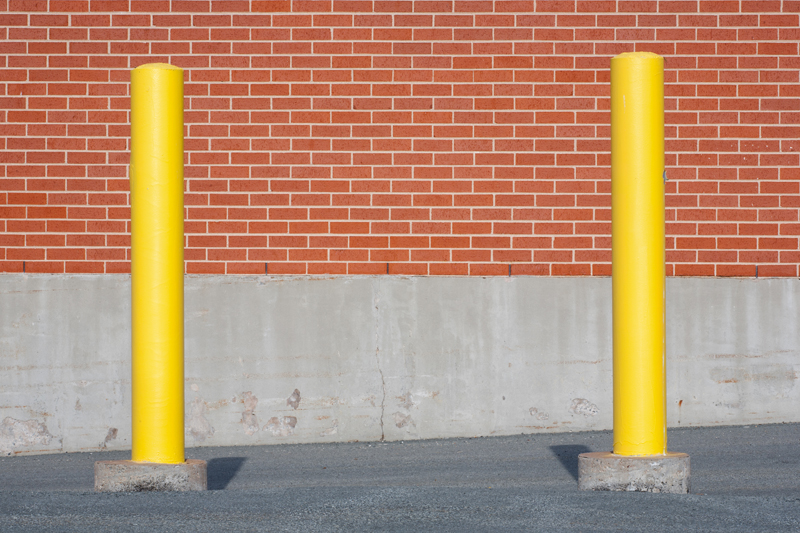
A bollard is a short, thick, strong post installed on sidewalks, parking structures, parking lots, or other trafficked areas to create a protective barrier and keep vehicles where they’re intended to be. Bollards are also known as bollard barriers.

What are Bollards Used for?

Bollards are barriers that keep traffic and vehicles where they’re supposed to be. You can think of bollards as a fail-safe from keeping traffic and other potential issues well away from your building. Bollards work together with parking blocks for an organized and safe parking lot.

How Tall are Bollards?

There are no set rules and regulations for bollards so they can be as short or as tall as you want them to be. Because bollards are meant for safety, you must choose something tall enough and strong enough to do its job. The most common bollards are approximately two to three feet tall.

Bollards vs. Parking Blocks

Do you have to install both bollards and parking blocks in your structure? Won’t your lot’s curb stops keep people from ramming your building without installing bollards? Maybe. Parking blocks and curb stops serve their purpose to keep slow-moving vehicles from ramping over their parking spot but won’t always stop a car going moderate speed or a vehicle that isn’t where they’re supposed to be, to begin with.

Bollards are stronger and more protective than any curb stop or parking block. A vehicle that can drive over a parking stop can’t drive through bollards or stronger structures. It’s up to the lot owner to decide how much protection their parking lot or building requires, but bollards are always recommended for any situation where a vehicle could drive accidentally (or intentionally) into your structure.

Types of Bollards

  • Fixed Bollards – As the name implies, fixed bollards are permanent bollard installations. Fixed bollards are among the strongest of all bollards and can take a severe hit without compromising.
  • Removable Bollards – Removable bollards allow for quick installation and de-installation, depending on your needs. Removable bollards are generally not as strong as fixed bollards.
  • Automatic Bollards – You can get the best of temporary and permanent bollards with automatic bollards. Automatic bollards can be kept in the ground or extended upwards, depending on your needs and time of day. An automatic bollard can be kept up for standard traffic times, then pulled down when you need more space.
  • Decorative Bollard – Decorative bollards are strictly for looks and should only be used when there are other protective barriers between buildings and driving areas.

Bollards for Safety

Bollards keep out of control vehicles from crashing into your building and can help reduce liability around your property. Talk to Colorado Pavement Solutions to figure out parking block or bollards are the right choice to be installed in your parking lot.

Asphalt Raveling

What is Asphalt Raveling?

Asphalt is one of the most popular paving materials in North America, and for a good reason – it’s versatile, tough, and affordable. There’s nothing better than the look of a shiny new blacktop, but that blacktop won’t keep shiny and beautiful without regular maintenance.

Though it’s tough, asphalt faces many enemies from the elements and from the people that use it. Without proper maintenance, you could see issues like cracking, pitting, and raveling. Raveling is one of the most common residential asphalt issues but doesn’t have to be if you take the right steps. Let’s learn what asphalt raveling is and how to keep it from happening to your asphalt.

Figuring Out Raveling

Raveling is the slow disintegration of your asphalt from the top down resulting from aggregate loss. Essentially the top layer of aggregate breaks free from the asphalt binder, which causes raveling issues.

Raveling starts subtlely but slowly makes its way through your asphalt, leaving you with an ugly pockmarked and gray asphalt driveway that is much more susceptible to damage than well-maintained asphalt. Raveling tends to occur in older, unmaintained asphalt driveways that are already showing signs of oxidation.

Causes of Asphalt Raveling

Issues with raveling begin when your asphalt’s aggregate particles separate from the asphalt’s binder. There are several causes for asphalt raveling including:

  • Weather Issues – Sun, rain, and ice will cause subtle damage to your asphalt over time by weakening the bonds between the asphalt binder and aggregate. Weather damage leads to oxidation, a chemical reaction that further weakens the bond between aggregate and binder.
  • Poor Installation – Inadequate compaction during installation can lead to premature raveling, which usually occurs when the asphalt is installed during temperatures that are too low.
  • Separation of Aggregated Particles – Also known as aggregate segregation. Low-quality aggregate lacks fine dust particles (aggregate fines). (Asphalt contains a variety of aggregate sizes from ¾” rock down to sand. When it is installed, the asphalt must maintain a consistent internal distribution of these aggregates. During installation, if the laborers that rake the asphalt lack experience, they can accidentally cluster the larger aggregates into small areas. Without finer aggregates evenly distributed in these clusters, the asphalt binds poorly, causing the aggregates to ravel out of the asphalt mat). Without fine dust to bind to, the binder bonds to coarser particles, which are more likely to wash away, causing raveling.
  • Mechanical Dislodging – Separation can happen from vehicles, especially vehicles likely to aggravate the surface like snowplows, snow tires, or oversized tires.

How to Repair Raveling

The type of asphalt repair for raveling depends on the extent of the damage. There are two basic types of raveling repair:

  • Localized repair – If raveling is only happening in small spots or is not that extensive, you can execute a localized repair. If it is early enough in the raveling process, you can halt the process by sealcoating as soon as possible. If repairs are necessary, skin patching or infrared heating is the best solution. Mild raveling is not a structural problem that warrants a major concern; your driveway is still functional. But you do want to prevent extensive raveling because it is ugly and expensive to repair.
  • Extensive repair – If your entire asphalt driveway is raveling and it has been raveling for many years, this may require a mill and overlay or full-depth removal and replacement to correct the problem. Extensive and prolonged raveling can become structural problems that lead to failed asphalt.

How to Prevent Raveling

Ideally, you’ll keep raveling from happening in the first place with a regular sealcoat. Sealcoating involves a topcoat of asphalt binder and other compounds that defend your asphalt against rain, UV damage, and raveling.
Homeowners can sealcoat the asphalt themselves, but professional sealcoating for the most thorough job is recommended. Regular sealcoating will keep your asphalt looking shiny and black and will keep away damage like raveling and other issues. Asphalt pavement experts recommend re-sealing your asphalt every four to six years.

No More Raveling

Raveling breaks up the bonds between your asphalt’s binder and aggregate, creating a host of issues and awful-looking asphalt. All raveling can be repaired, but homeowners should regularly sealcoat their driveways to keep raveling issues from happening in the first place. If you’re ever unsure how to handle raveling or sealcoat, contact Colorado Pavement Solutions for a free estimate on the best way to repair your raveling issues.

Hot Mix vs Cold Mix Asphalt

What’s the difference between Hot Mix and Cold Mix Asphalt?

Asphalt is one of the most popular paving materials in the world, but not all asphalt is created and used equally. You have two main options in the asphalt world – cold mix asphalt and hot mix asphalt. If you have an asphalt paving project coming up, you want to know the difference between the two types and how they can be used.

Luckily for you paving pros are here to discuss the differences between hot mix asphalt vs. cold mix asphalt including what they are, what they’re right for, and more information on these similar but very different options.

Hot Mix Asphalt Basics

Have you ever driven past a crew on the highway tearing up and installing new asphalt? Have you noticed the steam coming off the freshly poured asphalt? You’re looking at a hot mix asphalt installation.

As the name implies, hot mix asphalt is a mixture of aggregate like gravel and sand and asphalt cement that requires heating before installation. Hot mix asphalt is heated at the production facility to a temperature of 300 to 350 degrees before being shipped and laid at the job site. Hot-mix asphalt cools quickly to allow for quicker installation.

What is Hot Mix Asphalt Used For?

Hot mix asphalt is most useful for large-scale paving applications like roads, parking lots, and driveways. There are hundreds of thousands of square miles of pavement that make up America’s roads and parking lots right now due to hot mix asphalt’s versatility.

Cold Mix Asphalt Basics

Cold mix asphalt is the most basic of asphalt types. As the name implies, cold mix asphalt does not require heating for application. When you think of bags of asphalt used for patching, you’re thinking of cold mix asphalt.

What is Cold Mixed Asphalt Used For?

Cold mix asphalt is most useful for repairs like small cracks and potholes or patches when the outside temperature is too cold for hot mix asphalt. Cold mix asphalt is not nearly as strong as hot mix asphalt and should only be used for small-scale fixes or temporary patches until a more permanent repair with hot asphalt mix can be made.

Advantages of Hot Mix Asphalt

  • Weather-Resistant – Asphalt is used across the nation for a reason; it can resist all types of weather. Hot mix asphalt can stand up to wind, flooding, and asphalt’s heat absorption melts snow and ice faster than other paving materials.
  • Quick Cool Down – Hot mix asphalt is poured at over 300 degrees, but it cools down quickly, allowing for minimal road closure times. Because hot mix asphalt cools so quickly, you can get the road open and traffic flowing in as little as a few hours.
  • Strength – Hot mix asphalt is the most durable grade of paving asphalt, which is why it’s used for high traffic roads and highways. Cold mix asphalt isn’t strong enough for regular vehicle traffic.
  • Bend but Not Break – Asphalt is more flexible than it’s paving counterpart concrete. Asphalt’s flexibility and malleability allow it to shrink and expand during different temperatures without cracking or becoming damaged. This flexible factor makes it a great paving choice in areas that suffer wild temperature swings like the Midwest or Mountain West.

Disadvantages of Hot Mix Asphalt

  • More Expensive – Though its price point is below concrete, hot mix asphalt is the most expensive of asphalt paving options. Hot mix asphalt does last longer than other paving options, so always weigh the cost vs. serviceable life before deciding.
  • Temperature Window – Hot mix asphalt should only be installed when the outside temperature is 40 degrees or higher. Many cold-weather states can’t use hot mix asphalt for several months at a time.

Advantages of Cold Mix Asphalt

  • Affordable – Cold mix asphalt is much more affordable than hot mix asphalt, and you also don’t need to buy cold mix asphalt in large quantities like you would hot mix. You can purchase cold mix asphalt in single bags that are the perfect size for small patches at a low cost.
  • Helpful – In the right situation, cold mix asphalt is what you need and can be laid in colder temperatures. If you get an unsightly pothole in January or see a crack developing in November, you can use cold mix asphalt to keep the damage from spreading too quickly.

Disadvantages Cold Mix Asphalt

  • Temporary – Cold mix asphalt should only be used in temporary situations, including patches or filling in small cracks during the winter. Cold mix asphalt is only designed to last a season or two at most before being replaced by a more permanent fix.

Choosing Hot vs. Cold Mix Asphalt

Both hot mix and cold mix asphalt have their unique advantages, and disadvantages and which one you use depends on what you need to accomplish. If you’re ever in doubt about cold vs. hot mix asphalt, pick up the phone and call Colorado Pavement Solutions to get the most reliable and accurate information plus, tips on pavement maintenance and repair.

Request Estimate