Archive for:

Author Archive for Admin – Page 8

Parking Lot Repair – Broomfield, CO

Parking Lot Repair Project in Broomfield, CO

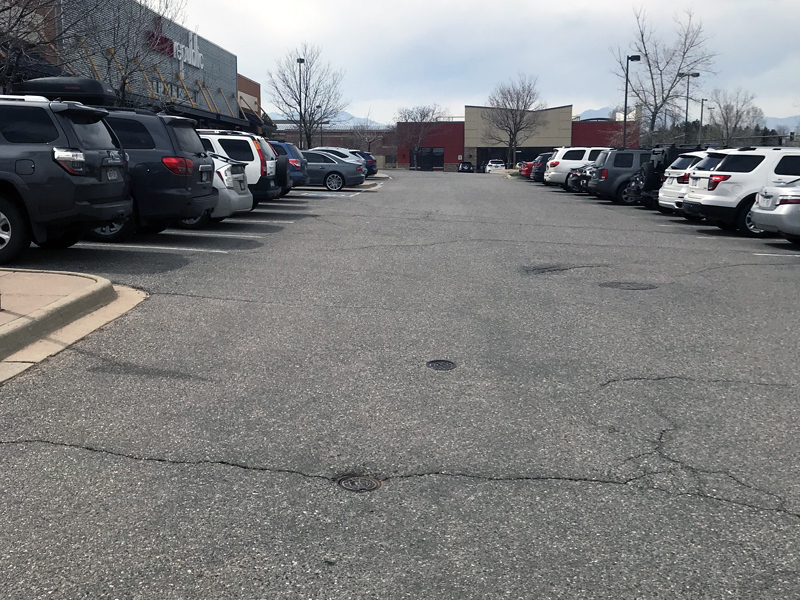
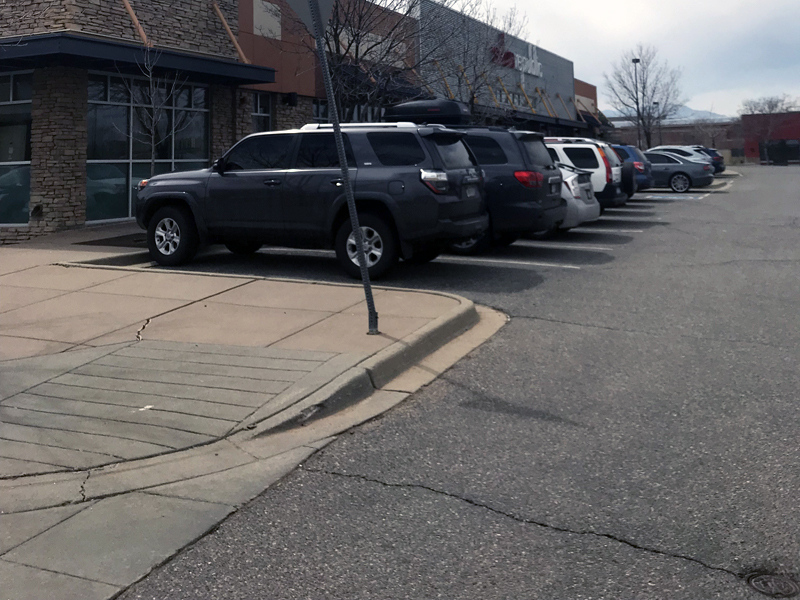
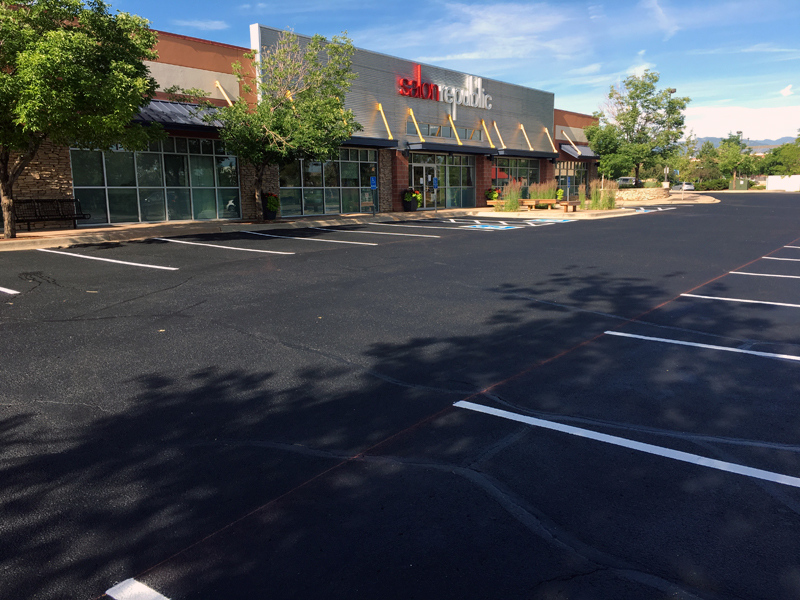
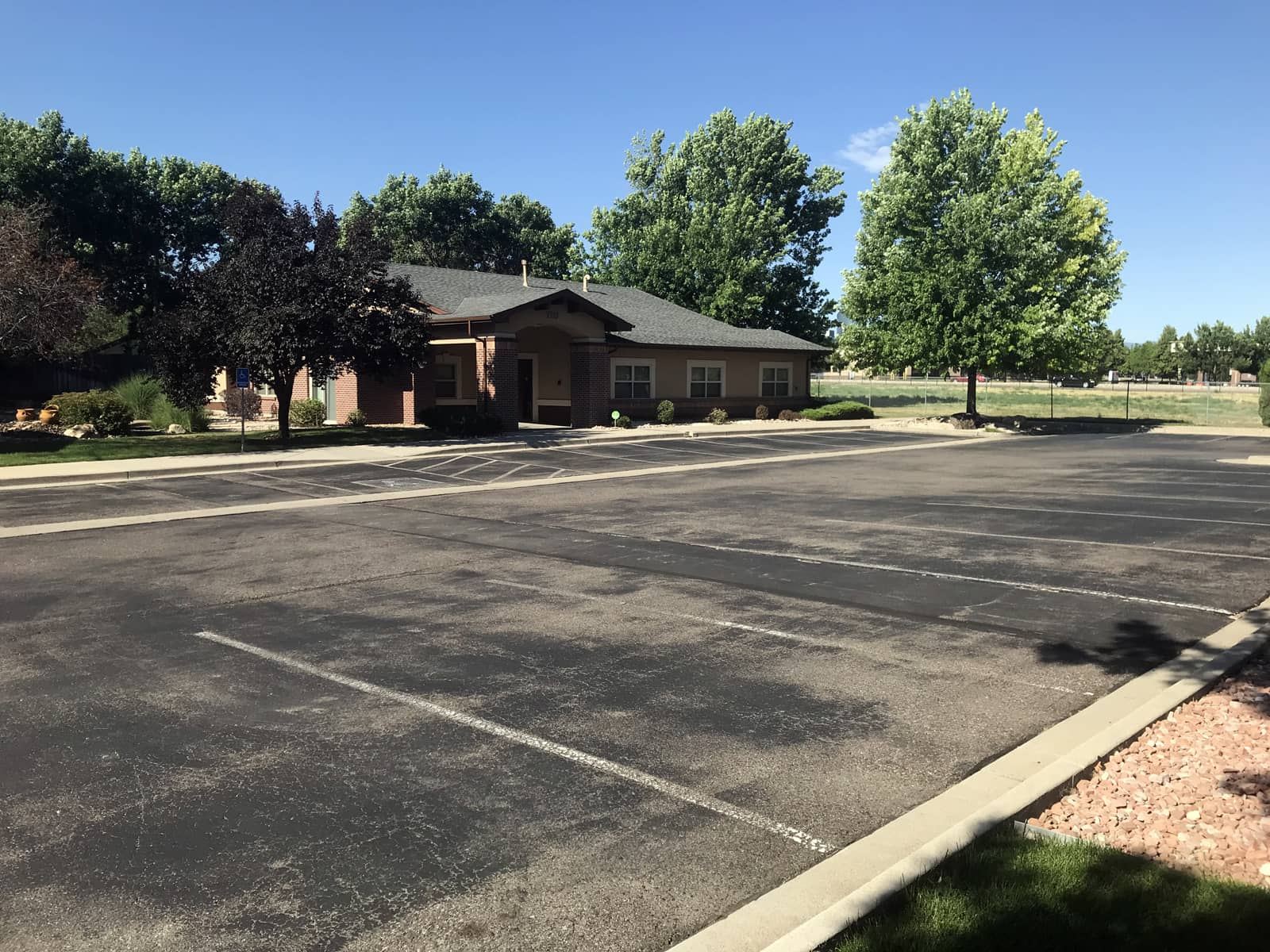
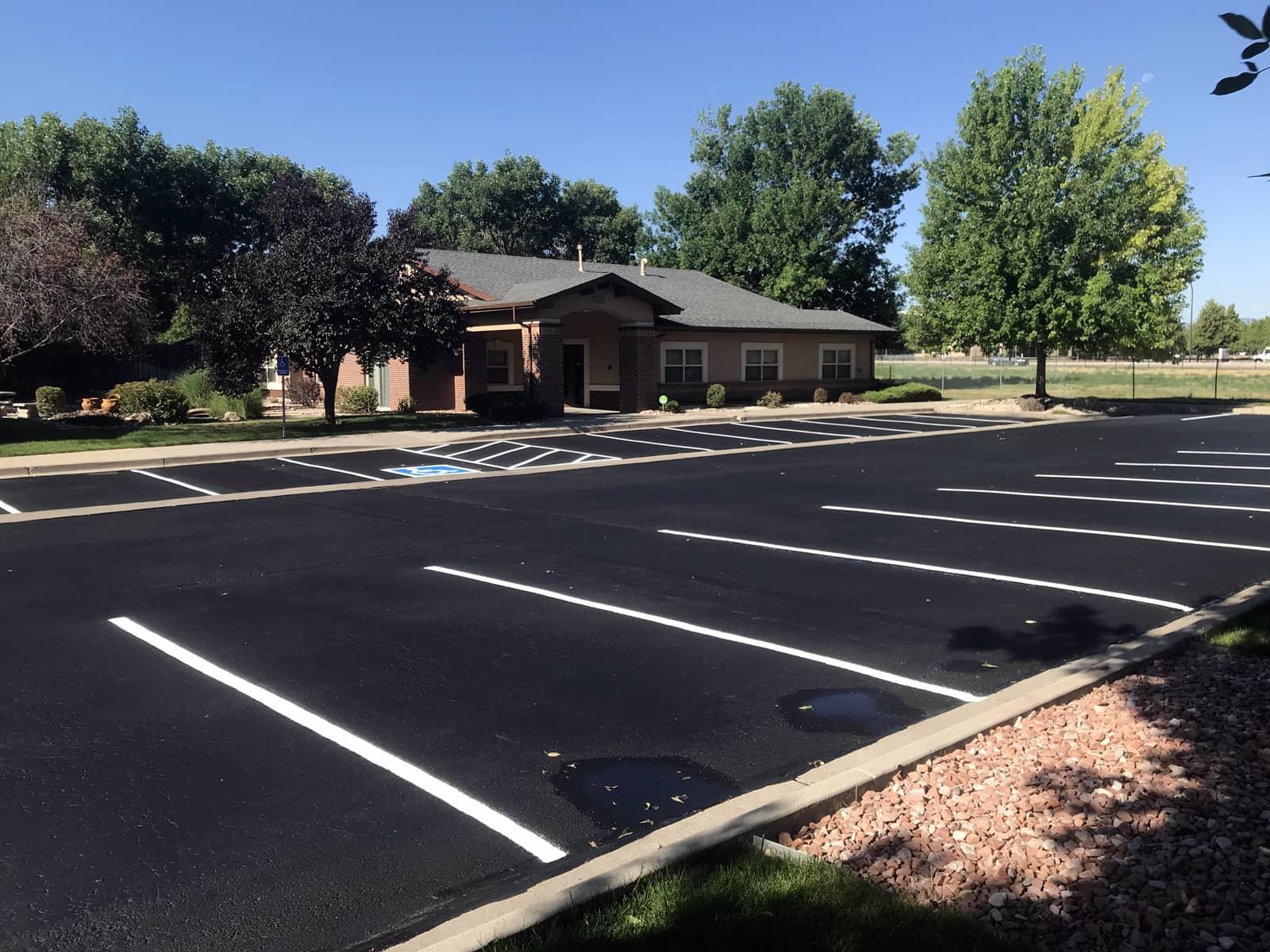
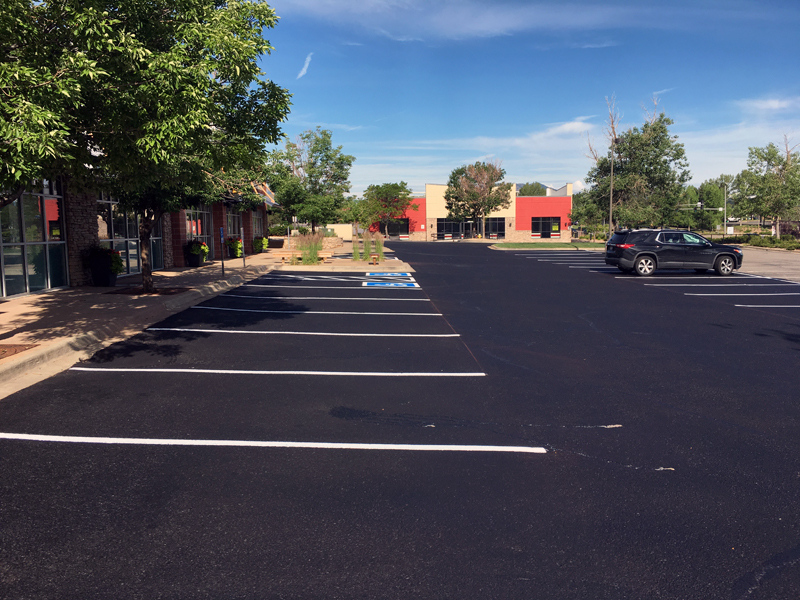
This parking lot repair project in Broomfield, CO did not require a mill and overlay because the owner addressed the issues before the asphalt was too far gone to repair. The team at Colorado Pavement Solutions was able to repair the asphalt and restripe the parking lot for added safety. Addressing small parking lot repairs before they turn into replacement projects saved this owner a lot of money.

Our team completed the following improvements:

How to Repair Potholes

How to Repair Potholes

Pavement covers thousands of square miles in the U.S., and all that pavement needs proper maintenance to keep America moving. One of the most common paving issues, especially in asphalt, is potholes. Potholes can roll ankles, damage your suspension, and are ugly to look at.

If you have a pothole on your asphalt pavement, you need a thorough repair to avoid future problems, but what if it’s cold out? The thawing and freezing cycles are one of the biggest reasons for potholes, but you can’t make a permanent fix in the middle of December. Asphalt needs warm temperatures to properly cure but don’t worry, there are temporary solutions.

Let’s learn the two different ways you can repair potholes including the differences between temporary and permanent fixes, why there are two different steps, and how to make sure your repair sticks.

How to Temporarily Repair Potholes

You can’t always make a permanent repair on asphalt immediately. In some cases, you will need to make a temporary patch on asphalt until you’re ready for a permanent fix. Why can’t you make a permanent fix every time? Because of two key reasons – temperature and compaction.

Hot-mix asphalt, the asphalt that makes up our highways, requires certain temperature thresholds to set and compact properly. Hot mix asphalt that’s poured into a cold environment will not compact properly. An improper pour leads to asphalt that will chip and damage easily. Never attempt a hot-mix repair unless temperatures are well above freezing for many consecutive days. However, if you do have temperatures, this is called skin patching and it may require help from a professional paving company.

While hot-mix repairs might be out of your expertise, most homeowners can handle temporary, or cold-mix, asphalt repairs. To patch a pothole with cold-mix asphalt, follow these simple steps:

  • With a broom, clean the pothole of all loose debris including dust, dirt, and any rocks.
  • Fill the hole with cold-patch asphalt, available from your local hardware store. Pour the asphalt approximately a ½” above the surface.
  • Compact the asphalt with a tamper, or any heavy object that provides a level, weighted surface, like a shovel. Then drive over the pothole with your front tires without turning your wheel while over the newly installed cold-patch asphalt.
  • Let the patch cure. A patch can handle normal traffic immediately, but you should wait at least three weeks before turning wheels or parking vehicles on top of the cold patch.

If you’re ever uncomfortable with making the patch yourself, call your local asphalt company for a quick fix.

How to Permanently Repair Potholes

If mother nature grants you warm temperatures (well above freezing for 48+ hours) you can make a permanent pothole repair. Unlike cold-patch repair, permanent pothole fixes are more complicated and normally require the expertise of a local paving expert.

An asphalt expert will properly remove the temporary patch, clean the pothole of all debris, pour a perfectly formulated hot asphalt mix into the pothole, and compact it to the perfect density. A few hours later, your asphalt is as good as new.

Repairing Potholes the Right Way

Skin patching and installing cold-patch asphalt are among the temporary repairs for a pothole. They typically don’t last a long time and may require future permanent repairs. For temporary repairs during the colder months use cold-mix asphalt and save a skin patch with hot-mix asphalt repair for the professionals when the weather permits. If you want to repair the pothole properly and for the long run, Colorado Pavement Solutions will recommend a full depth removal and replacement patch of the asphalt around the pothole. Repair your potholes the right way, and you can enjoy your pavement as it was intended. Call us today for a free estimate on pothole repair.

Mill and Overlay Project – Morrison, CO

Lyon’s Ridge Neighborhood Mill and Overlay Project

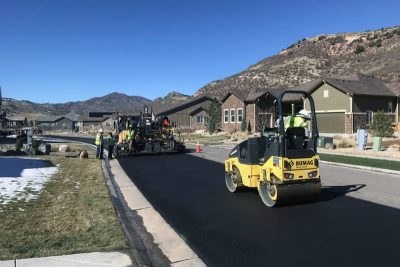
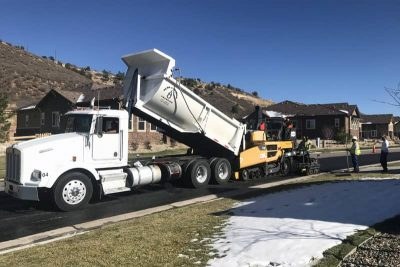
At the Lyon’s Ridge subdivision, south of Morrison, CO the road was collapsing as a result of weak spots. Our expert team patched out the weak spots then proceeded to mill 2″ following up with an inlay of 2″ of newly paved asphalt.

Our team completed the following improvements:

  • Patched out weak spots that caused collapsing of the previous asphalt work
  • Milled 2 inches of existing asphalt
  • 2 inch inlay of newly paved asphalt

Does your drainage cause Asphalt driveway heave?

Does Your Drainage Cause Asphalt Driveway Heave?

Asphalt has become one of the most popular paving materials in the world due to its durability, flexibility, and affordability. Asphalt makes a great paving choice for your private road or driveway but like any other construction material, asphalt has its weaknesses and subtleties that can ruin your day.

Many of the most common asphalt driveway issues, like heaving, are due to poor or inadequate drainage. Does your drainage cause asphalt driveway heave, or is there something else at play? Let’s learn more about asphalt driveway heave, why it has to do with drainage, and how homeowners can keep heaving at bay.

What is Asphalt Driveway Heaving?

Asphalt driveway heave, also known as frost heave, is a common asphalt problem in colder climates. Heaving is caused when moisture trapped under your asphalt freezes and thaws. When the moisture pockets freeze, they expand, which can push your driveway up as much as three to four inches. Once the area thaws the asphalt sinks to its original position which could cause cracks, breaks, and dips in your asphalt. This cycle of heaving and thawing can cause injury hazards, cracks and other issues, and at its worst could compromise the integrity of your driveway.

Does Drainage Cause Asphalt Heave?

The more moisture that’s trapped under your asphalt, the more severe heaving homeowners can expect. Poor drainage around your asphalt could mean hundreds of gallons of moisture are trapped underneath your asphalt instead of draining to the proper channels. Groundwater can cause issues under asphalt, but it’s normally drainage from your property. Cracks in your asphalt can also allow water to infiltrate the subgrade under your asphalt.

How to Remedy Frost Heave and Poor Drainage

Walk around your asphalt driveway during a rain or snowmelt. Are there areas where water is seeping beneath your asphalt? Is there a gutter that empties directly onto the asphalt? Look for any areas where excessive amounts of runoff might be entering underneath your driveway.

While no asphalt driveway is heave-proof, the less chances moisture has to enter the ground below your asphalt, the better. If there are obvious areas where moisture is entering, homeowners can re-route drainage, build berms, seal cracks and otherwise redirect any water that could be causing heaving issues. You might not be able to mitigate all water from getting underneath your asphalt but the less water, the less likely you’ll experience heaving.

Fixing Asphalt Heaves

While you can mitigate your chances for heave, there is nothing much homeowners can do with active heaving other than wait for a thaw and any necessary fixes. Heaving may look terrible, but it won’t always cause secondary damage once the area thaws.

Using Asphalt Experts for Heaving

If you need help mitigating heaving or repairing your asphalt after a frost heave, it’s best to contact a local asphalt professional. A local asphalt professional can help determine if your asphalt is the victim of heaving, what can be done to mitigate future heaving, and can repair cracks or other damage that results from heaving. If you’re suffering serious heaving, more extensive repairs might be necessary to fix the root of the problem.

Better Drainage for Better Asphalt

Don’t deal with a heaving driveway this winter if you don’t have to, fix your drainage, have an expert look, and take the right steps to keep your asphalt in place no matter how cold it gets. If you’ve experienced some having after this winter, contact Colorado Pavement Solutions for a free estimate on repairing or replacing your affected asphalt or concrete.

What temperature should asphalt be laid?

What Temperature Should Asphalt be Laid?

If you’re browsing paving material for your next driveway or sidewalk you’ve probably read a lot about asphalt. Asphalt is one of the world’s most popular paving materials thanks to its durability, beauty, and affordability, but certain criteria must be met for a proper asphalt installation – like temperature.

Unfortunately, you can’t just lay down asphalt whenever you feel like it, since new asphalt brings temperature and environmental barriers for a proper installation. Let’s learn at what temp asphalt should be laid and other environmental factors that can affect your asphalt installation

The Ideal Temp for Asphalt Installation

Why does asphalt need certain temperatures for installation? Because one of the factors that makes asphalt versatile, it’s malleability, becomes an enemy when temperatures hit extremes. During installation, cold temperatures can prevent asphalt from properly binding which causes raveling. It can also make asphalt brittle and more prone to chips, cracks, and cold-related damage. Asphalt laid during extreme cold will leave you with a poor final product.

On the opposite end of the spectrum, extreme heat is an enemy of freshly laid asphalt too. Extreme heat can cause new asphalt to melt, slough, bruise and won’t allow asphalt to properly cure. Both extreme cold and extreme heat make for a poor asphalt installation.

There are two types of temperature that affect asphalt installation, ground temperature and ambient (air) temperature. Ambient temperature includes wind and sun so while your thermostat says 60, the ambient temperature might be lower or higher.

Asphalt installations also require ground temperature thresholds for a great installation. Ground temperature is normally lower than air temperature so never schedule installation using ambient temperature alone.

Now that we know how asphalt is affected by external temperature, what’s the best temperature for asphalt installation? Ideally you want to install asphalt when both ground and air temperature are anywhere between 50 and 90 degrees. Anything below 50 or above 90 can cause a poor pour that will give you issues down the road. For most of the country this temperature range means asphalt is most suitable for install during late spring, summer, and early fall but if you’re meeting temperature thresholds it doesn’t matter what season it is. Aim for 2-3 days of ideal ground and ambient temperature before installation.

Local Asphalt Pros Know Best

If you’re still hesitant about choosing the right day take out the guess work by hiring or consulting a local asphalt contractor. Local asphalt contractors know the different environmental factors your asphalt will be up against and the perfect temperature for installation in your neighborhood.

When you choose a local professional, they’ll scour the weather forecast for suitable installation temperatures and the best install date. Professionals don’t like doing a job twice, so they’ll only pick perfect days for installation.

Get Your Project Started

Asphalt is a fantastic product, but it takes the right temperature on both the ground and in the air for proper installation. Generally, the best temperature for asphalt installation ranges from 50 to 90, so most of the country can only install asphalt during the warmer months. If you’re ready to start your asphalt project talk to Colorado Pavement Solutions about your job, the temperature, and other factors to be certain your asphalt is installed as just the right temperature.

Commercial Parking Lot Repair – Denver, CO

Commercial Parking Lot Repair in Denver, CO

This project in Denver, CO was a commercial parking lot in need of a full repair. The property manager wanted to avoid the need for major repairs, choosing preventative maintenance over costly replacement.The team at Colorado Pavement Solutions honest approach always means our customers pay for what they need.

Our team completed the following improvements:

How to layout a Parking Lot for striping

How to Layout a Parking Lot for Striping

Parking lot striping keeps vehicles where they’re supposed to be, keeps your lot looking neat, and makes for a better experience for both visitors and tenants of the lot. If you want a great parking lot – you need proper pavement striping.

Many lot owners prefer to stripe their lot themselves, but you can’t guess when it comes to pavement striping. Let’s learn why you should use a professional for new striping, tips if you want to stripe your lot yourself, and how to prep for a re-stripe.

New Striping

If you’re striping a lot for the first time, it’s recommended you hire a professional striping company. Though you can likely lay lines and paint pretty spots, designing a parking lot is a blend of engineering, difficult decisions, and a lot of math.

An amateur new stripe layout can cause traffic jams, poor lot layout, and at the worst can cause fenders benders that will get blamed on the lot owner. A professional will lay out your lot for optimal flow and to maximize space.

If you have a small lot with low traffic and want to stripe it yourself, use the following tips:

Decide on Your Layout

You’ll need to make many choices on your layout, even for a small lot. Think about your space and traffic to help decide what type of parking stalls you want including 90-degree spots, 45-60-degree diagonal spots (best used for one ways) or parallel spots.

Decide on Stall Size

  • Typical stall size is 9’ x 18,’
  • Typical compact spot is 7.5-8.5’ x 15-16.’
  • Stripes and lines should be 4” wide and 15 mm thick.
  • ADA Parking Spots Must be at least 8’ across with 5’ of clearance.

Follow ADA Guidelines

ADA Guidelines differ by jurisdiction and state. Call your local jurisdiction to know exactly what you need to for ADA compliance for accessible parking.

Choose Your Paint

Pavement striping paint can be water based or oil / solvent based. Oil and solvent-based paints tend to last longer, work better in colder environments, and are more durable than water based striping paint. On the other side, oil-based based paints are more expensive, harder to clean if you’re ready for a re-stripe, and are not environmentally friendly.

Water based paint is more affordable, more environmentally friendly, and dries faster than oil-based paint but won’t last as long and can freeze in chip in extreme cold.

You need to balance your needs and budget to help decide which type of paint is right for you.

  • Prep Your Surface – All asphalt or concrete will need to be perfectly clean for paint adhesion. Use a commercial pavement cleaner to be sure your paint sticks and wait until it’s completely dry before striping.
  • Choose the Right Day – Only stripe your lot when temperatures are above freezing for 24 hours and there is no precipitation in the forecast. If temperatures are in the 30-50-degree range, an oil-based paint must be used to for proper adhesion. When temperatures exceed 50-degrees, a water-based paint will work.
  • Get Striping – Only use professional striping guides, equipment, and templates for a professional-looking lot. You can find templates and other supplies at your local hardware store. Take your time and slowly apply two coats of stripes.
  • Re-Striping – Re-striping is easier than new striping – you just need to color within the lines. During re-striping you do need to take certain preparation steps including cleaning the surface of dust and debris. It’s recommended to use a professional lot cleaner so your paint will properly stick.

Striping Your Lot

Striping provides safety and organization for your lot but can be difficult to perform by yourself. Use professionals for lot design, use the tips above if you’re striping your own lot, and take proper preparation tips when re-striping. Bright, properly laid out stripes makes for happy drivers.

Tarmac vs Asphalt

Tarmac vs Asphalt

Vehicles need surfaces to drive on. Planes need something to land and take off on. The world depends on paved surfaces. While there are many types of paving materials used around the world, asphalt is undoubtedly one of the most popular. There are many different asphalt formulas and types, and many different nicknames for different types of asphalt.

Blacktop, asphalt, tarmac, bitumen – are all these names for different types of asphalt or are they the same? One of the most common confusions is the terms asphalt and tarmac. Are tarmac and asphalt the same thing or are there major differences? What’s tarmac have to do with airports? Let’s learn the similarities and differences between tarmac and asphalt and what each is best for.

What is Asphalt?

Asphalt is a sticky, black, thick, petroleum-based liquid. In terms of asphalt paving, asphalt is a mixture of asphalt, coarse aggregate likes rocks and stones, fillers and binders, and fine aggregate like sand. Mix all those ingredients with fresh asphalt and you’ll be ready to pave anything. There are many different formulas and mixes of asphalt paving.

What is Tarmac?

You most often hear tarmac associated with runways and airports, but tarmac has been around just a tad longer than flight. Tarmacadam, nowadays shortened to tarmac, is a road surface invented by Edgar Purnell Hooley in 1902.

Tarmac is a mixture of macadam (crushed stone) tar, and sand. The story goes that Hooley visited a tar factory where he saw a barrel of tar had overturned. To keep from sticking it to it, factory workers laid chipped stones over the tar to create a walkable surface. Hooley realized adding tar to the old macadam roads of the past would make them more cohesive. Tar + macadam = tarmacadam paving.

Where do Airports Come in?

Tarmac at the airport is a misnomer in more ways than one. To start, the entire airport is constructed of varied materials like different blends of asphalt, concrete, and more. Surprisingly the type of paved surface you’re least likely to find at a modern airport is tarmacadam. Tarmac only refers to the area where airplanes are parked and is named for a British paving company.

Differences Between Asphalt and Tarmac

  • Asphalt is a mixture of modern chemistry with asphalt, several types of fillers and binders, properly sized aggregate, and more. Tarmac is simply stone, sand, and tar.
  • Asphalt is normally produced directly from other petroleum products while tar can be produced from organic matter like wood or peat.
  • Asphalt will last much longer than traditional tarmac.
  • Asphalt is still used today in a variety of applications while tarmac is only used for specialized projects.
  • Asphalt is more expensive than tarmac installation in most markets.
  • Asphalt can endure different chemicals and stains which can quickly eat away at the tar of tarmac.

Similarities Between Asphalt and Tarmac

  • Both paving products have similar makeups. Both involve a petroleum product, aggregate like stone, and fillers like sand.
  • Both have been used for dozens of years in a variety of paving applications.
  • Both can stand up to heavy vehicles and large loads.

Figuring Out Asphalt vs Tarmac

Asphalt and tarmac have several similarities, but asphalt is still being used daily while tarmac has gone the way of archaic paving surfaces. You’re very unlikely to see actual tarmac at your local airport, but a mixture of modern asphalt and concrete. If you need a mix of a sticky black substance and aggregate your best isn’t tarmac, but asphalt. Still unsure? Give us a call and we’ll help you decide what paving material is best for your project.

Residential Driveway Repair – Denver, CO

Residential Driveway Repair with Alley Access in Denver, CO

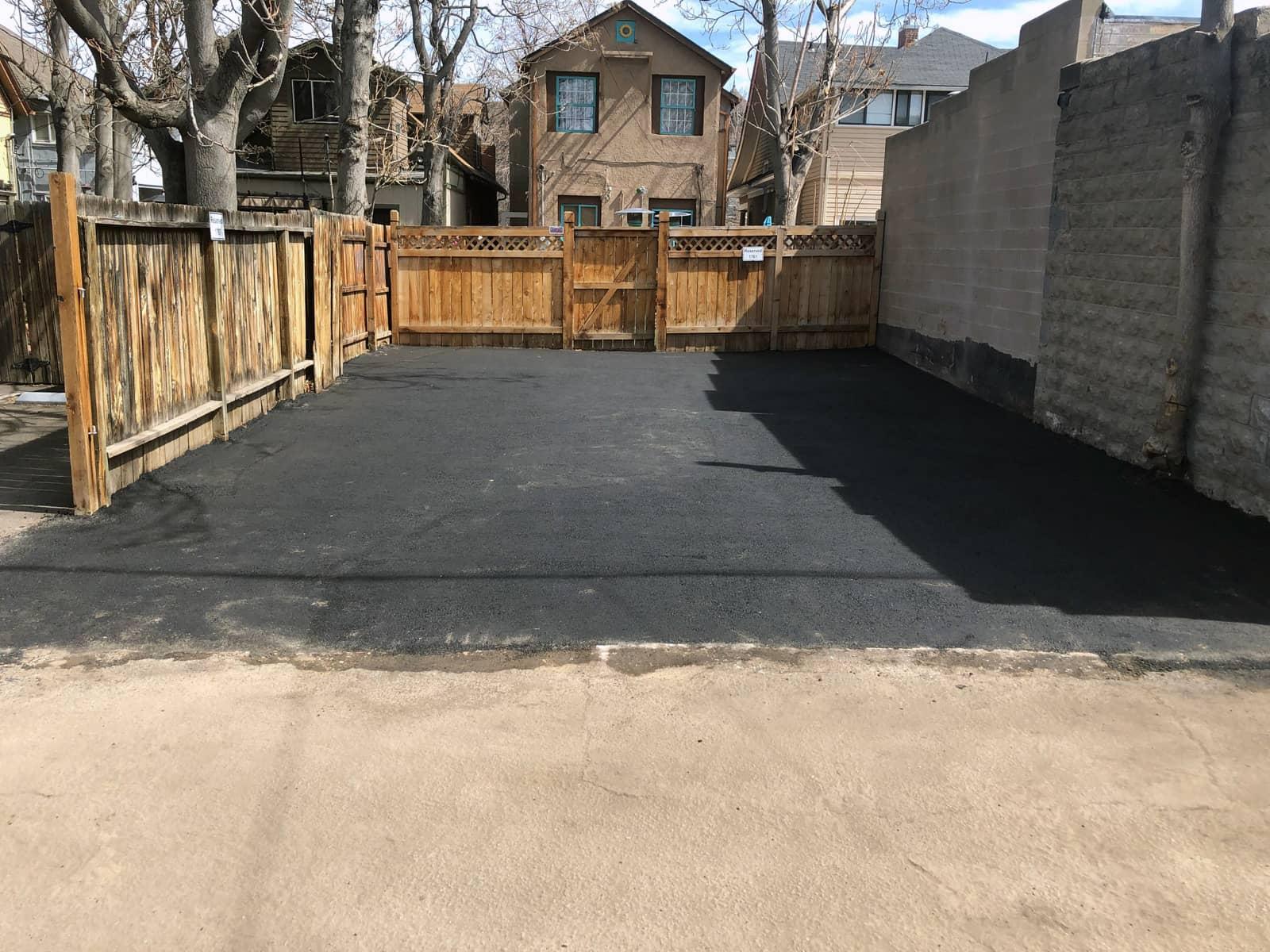
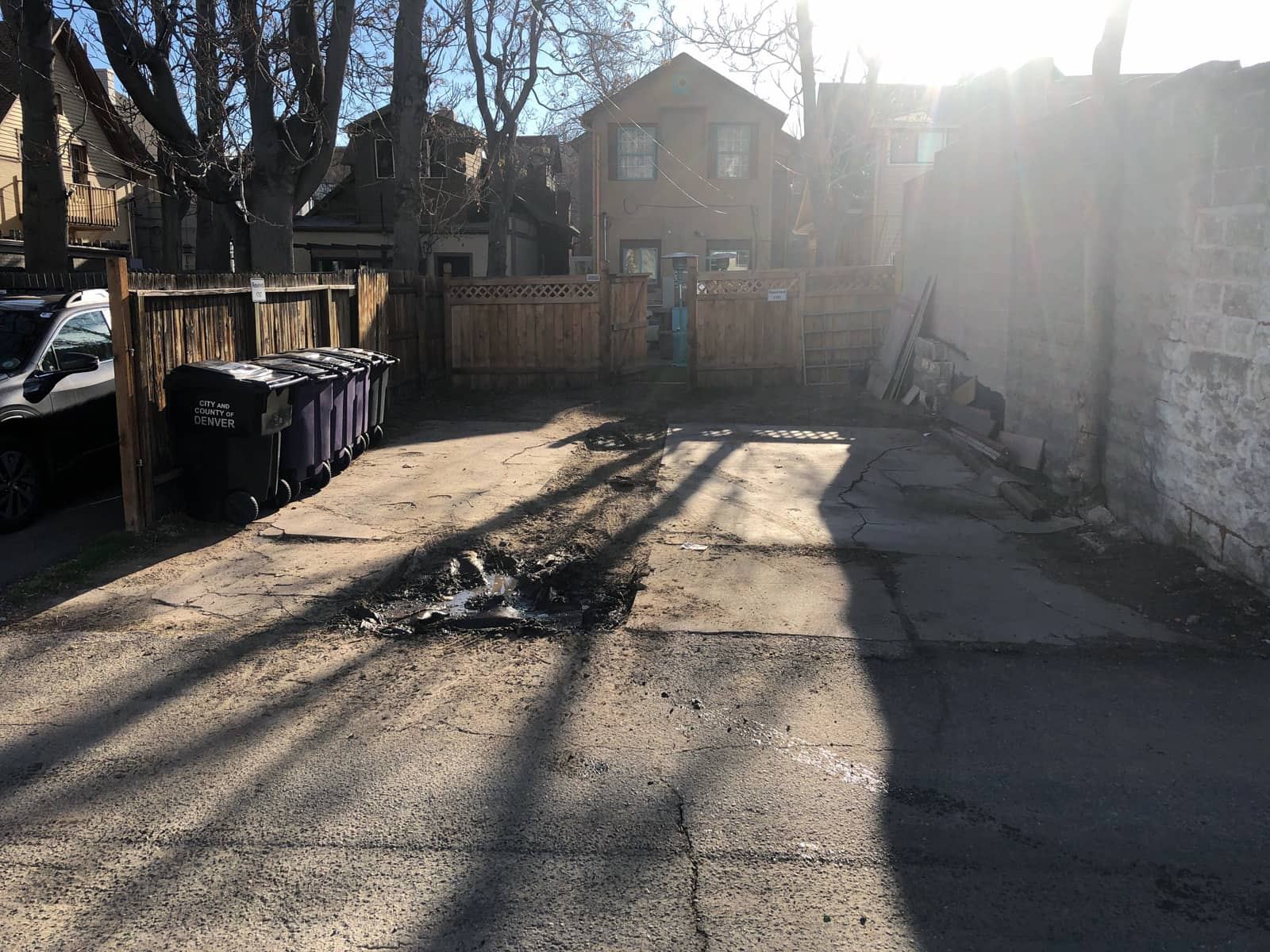
This heavily deteriorated parking area behind a home in Denver was in need of major repair. Driving through the alley access, other homeowners now see a nice visual improvement. What they might not notice is the better drainage and the elimination of a major trip hazard for pedestrians and residents.

Our team completed the following improvements:

  • Residential Driveway Repair
Request Estimate