Archive for:

Author Archive for Admin – Page 7

Can You Pressure Wash Asphalt?

Asphalt is one of the top two paving options in the world and for good reason – asphalt is strong, affordable, and looks great. A beautiful and shiny new blacktop can increase curb appeal and make your property look great, but what does a homeowner need to do to keep that appearance up?

Clean, beautiful asphalt that lasts multiple decades won’t happen unless you take care of minor chores, like cleaning and sealcoating your asphalt. There are a few different options for cleaning asphalt but what about the pressure washer in your garage? Can you pressure wash asphalt?

Can You Pressure Wash Asphalt?

Yes, you can pressure wash asphalt but before you wheel out your washer and crank it up, you need to take certain steps for the most thorough job that won’t harm your asphalt.

How to Pressure Wash Asphalt Driveway

Let’s learn if pressure washing asphalt is a good idea, alternatives to pressure washing, and other steps to keep your asphalt shiny and strong.

Clear the Asphalt

Your first job is to clear your asphalt in preparation for pressure washing. Remove furniture, planters, and any other fixture near your driveway before sweeping everything off with a push broom or leaf blower. The more debris you move off, the better the asphalt will take to cleaning.

Check for Issues

Walk your asphalt and check for issues like pitting, pockmarks, gouges, and cracks. Circle these with chalk and try to stay away when pressure washing. The force of pressure washing can worsen current problems. If possible, aim to get these issues fixed by an asphalt contractor prior to pressure washing.

Clean Stains

Use DIY methods like kitty litter or asphalt-appropriate degreaser to remove oil and other stains from the driveway. Even a strong pressure wash will have a tough time eliminating oil stains without pre-treatment and could damage your asphalt if you water pressure is concentrated in one spot for too long.

Start Pressure Washing

When your driveway is clean and oil stains are treated it’s time to use your pressure washer. Start the pressure washer on a low setting and work methodically from one side of the driveway to the other. If your driveway is sloped begin on the high side and work your way to the low end to avoid blasting dirt and debris over previously cleaned spots.

Warning: Asphalt is strong but not invincible. Turn your pressure washer setting to the lowest setting that still cleans dirt and grime for your asphalt. High settings could cause damage or make existing problems worse. Avoid keeping in one spot for too long.

Can Pressure Washing Damage My Concrete Driveway?

Pressure washing can be an effective way to clean your concrete driveway, but it must be done carefully to avoid potential damage. Here are some considerations:

Pressure Level:

Using a pressure washer with too high a pressure level can damage the surface of your concrete. It’s best to use a pressure washer with adjustable pressure settings and start with a lower pressure to avoid any harm.

Nozzle Choice:

Use a wide-angle nozzle or a surface cleaner attachment rather than a narrow, high-pressure nozzle. This helps distribute the pressure evenly and minimizes the risk of surface damage.

Cleaning Solutions:

Use appropriate concrete cleaners or detergents to help break down stains and dirt, reducing the reliance on high-pressure washing.

Maintain Distance:

Keep a safe distance between the pressure washer nozzle and the concrete surface. Start farther away and gradually move closer until you find the right distance that effectively cleans without causing damage.

What Can I Do If I Damage My Concrete?

If you accidentally damage your concrete parking lot, there are several steps you can take depending on the extent of the damage:

Minor Cracks:

For small cracks, you can fill them with a concrete crack filler or patching compound. Clean the area, apply the filler, and smooth it out. Follow the product instructions for the best results.

Potholes:

Larger holes or depressions may require more extensive repairs. You may need to cut out the damaged area, fill it with fresh concrete, and level it properly. This process may require professional assistance.

Surface Stains:

For surface stains, consider using concrete cleaning agents or pressure washing. Stubborn stains may require more specialized stain removers.

Regular Maintenance:

To prevent future damage, engage in regular maintenance, such as sealing your concrete every few years to protect it from moisture and stains.

Consult a Professional:

If you’re uncertain about the extent of the damage or the repair process, it’s advisable to consult with a professional concrete contractor. They can assess the damage and provide guidance on the best course of action.

How Often to Pressure Wash and Reseal Driveway

Many homeowners choose asphalt thanks to its beauty and great value, but that asphalt needs to be maintained to look and perform its best for years. For most homeowners this means a thorough cleaning and reseal every 1-2 years. If possible, talk to the original asphalt installer to determine how often you should clean and reseal your asphalt.

Is it Good to Use Power Washing Asphalt?

Homeowners can use a pressure washer to clean their asphalt but should always use caution to not damage the asphalt and should always reseal after a thorough cleaning. If the homeowner can take care of cleaning and sealing every one to two years, your asphalt will reward you with strength and a gorgeous jet-black shine for years to come.

Alternatives to Pressure Washing Asphalt

Pressure washers make quick and thorough work of cleaning a driveway but not everyone has a pressure washer available. If you’re lacking the power of a pressure washer you can still clean your asphalt but it will take longer.

You’ll need:

  • Large bucket
  • Push brush
  • Asphalt-appropriate cleaner – available at your local home improvement store

Like pressure washing, you’re encouraged to work methodically from one area to the other and uphill to downhill. Follow the directions for the cleaning solution and get prepared to sweat while you scrub up months of caked on dirt.

After you’ve finished scrubbing, work down the driveway again with a garden hose and spray off the excess dirt and grime. It’s going to take more time and sweat but a proper cleaning is how you get your asphalt ready for the next step.

Resealing Asphalt

Resealing asphalt, not cleaning, is the most important step to keep your asphalt durable and beautiful for many years. Sealing asphalt provides a fresh new protective layer on top of asphalt that will not only look great but protect your asphalt from common issues like fading and gouges.

Don’t hit yourself if you’ve put in a lot of elbow grease to clean your driveway, as that’s the first step for a proper reseal. After you clean your driveway, let it dry out completely (12-24 hours) before applying sealcoat.

Homeowners can clean and reseal their driveway by themselves, but it’s recommended you leave resealing asphalt to a professional. A professional can inspect your asphalt, fix any issues that could harm resealing, then apply sealcoat with a professional hand to make your asphalt look brand new.

If you choose to reseal yourself read over the instructions carefully and be sure to purchase a product that is only intended for asphalt.

Gravel Driveway Snow Removal

Gravel Driveway Snow Removal

Gravel driveways look great, last for decades, and add character to your property that you just can’t find in concrete or asphalt. Gravel driveways have many benefits, but those benefits do not include easy snow removal.

Because gravel isn’t a solid surface like concrete or asphalt, it takes some extra work to remove snow, but it’s not too difficult if you know what you’re doing. Let’s figure out gravel driveway snow removal including how you can take care of things as a homeowner and when it’s best to call in the professionals.

How to Remove Snow from a Gravel Driveway

Using Shovel and Rake

If you don’t have a large patio or driveway to clear you can take the old-fashioned approach of shovel and rake. Start at the top of your area and work downhill or toward an outlet, clearing off layers at a time if you need to. Once you’ve gotten the bulk of the snow off with the shovel you can use a rake to remove / break up the remaining snow in the gravel to help it melt sooner. It’s recommended to try a few different types of rakes like gardening or a roof clearing rake to see what works best in your gravel.

Using Leaf Blower

Don’t put your leaf blower away after fall, you’ll need it for your gravel driveway. Leaf blowers are surprisingly effective for freshly fallen snow and can save you a good deal of backbreaking labor. A leaf blower can rid your driveway of snow in minutes, but it only works well on fresh, dry snow and will be ineffective on any ice buildups.

Using Snowblower

If you have a large driveway to clear, a snowblower will be much more effective. You can’t just plop your blower down on your gravel driveway or you’ll scatter gravel all over the place, but you can cleanly remove snow off gravel with the help of skid shoes.

Skid shoes, also known as skid plates, are adjustable pieces attached to the snowblower that raise or lower the auger for different surfaces. Raise the blower to at least a half inch high on the skid shoes to avoid shooting rocks into your front window. The bigger your gravel’s size, the more clearance you’ll need on the snowblower.

Using Plow

Set your plow blade too low and you’ll accidentally plow your entire driveway up along with the snow. Like using a snowblower, you can adjust a plow to hover a half inch to inch above your driveway to only remove what you want to.

Remember, you can always plow more but you can’t exactly slide your gravel back into place if you accidentally scoop it up. Take your time and check your tracks to be sure you’re at the right height.

Salting Your Gravel Driveway

Before a big snowstorm hits and after you’ve plowed you should apply rock salt or melting agent to your gravel. Salt lowers the melting point of snow and ice to keep it from re-accumulating on your gravel.

Hiring Gravel Driveway Snow Removal Service

Gravel driveway snow removal is notoriously difficult, especially if you don’t have a plow or snowblower but luckily snow removal services can help clear your driveway while you sit inside and enjoy the warmth.

There are more benefits to professional snow removal services than you think. If you make a mistake and plow too much, you’ll have to carefully re-work your gravel back into place, something you don’t need to worry about when you hire a professional. Professionals will check your gravel, make sure their equipment is at the appropriate settings, and expertly clear the bulk of your snow while leaving your driveway intact.

If you’re worried about the price you should contact a local snow removal service for quotes. Most snow removal companies can look at your driveway’s specifics and negotiate a one-time price or a seasonal contract. Any reputable snow removal company will offer a quote of services free of charge.

Does Gravel Driveway Snow Removal Cost More?

Since snow removal on gravel driveways takes more care and effort, prices are normally higher compared to concrete or asphalt surfaces. Snow removal companies charge by the hour and will take more time to clear a gravel driveway but will leave your driveway looking great when the snow melts away.

Clearing Snow off Gravel Driveways

Clearing snow off a gravel driveway takes more time and patience than traditional driveways but most homeowners take on the effort thanks to gravel’s rustic appearance and affordability. If clearing yourself take your time with removal and work in layers if necessary or leave it to the professionals by hiring a reputable snow removal service. Gravel driveway snow removal might take a little more effort, but it can be done.

Handicap Parking Striping Requirements

Handicap Parking Striping Requirements

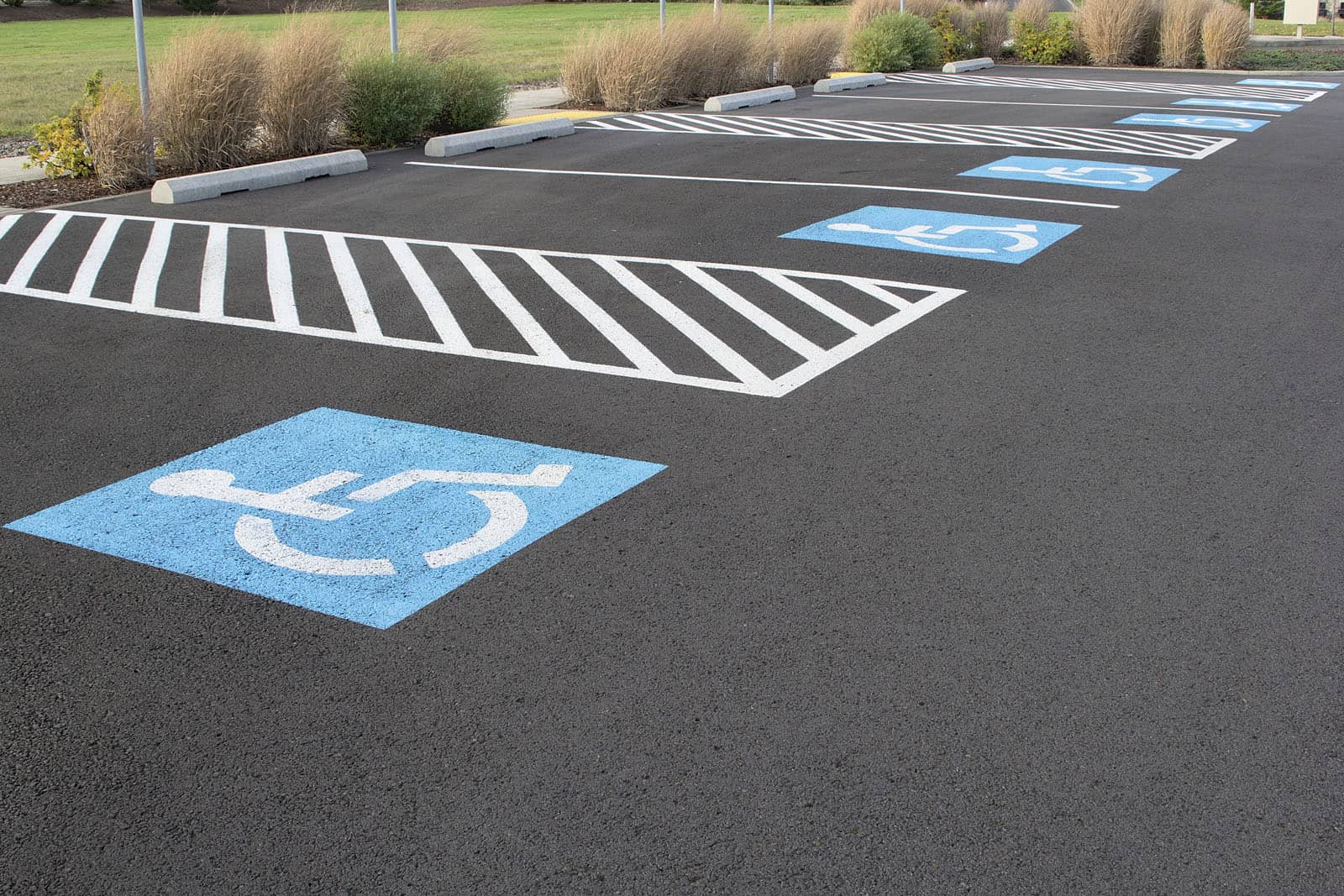
Taking care of the parking lot and the visitors that use it is one of a building owner or manager’s top concerns. A parking lot should be clean, well-organized, and should make accessibility to the building as easy as possible. There are a lot of boxes to check for a great parking lot or structure, but accessibility is one of the main ones.

You need to make sure everyone can easily access your building and that includes any potential visitors with mobility or other issues. The easiest way to take care of that? By meeting all Americans with Disabilities Act (ADA) guidelines. Making your sure your parking structure or lot complies to ADA standards is not a suggestion, it’s the law.

Depending on your lot there are a few different things you must accomplish but one that’s critical for all public parking lots is ADA-compliant handicap parking spaces and striping. Let’s learn more about ADA parking requirements by reviewing proper striping, spacing, and other things to do to take care of all your lot’s visitors.

ADA Parking Requirements

If you have to stripe your own lot take the guesswork out by visiting reliable resources on ADA parking requirements. The gold standard for ADA compliance is found at the United States Access Board’s website Access-Board.Gov. All ADA requirements including general standards, surfaces, ramps, and parking lot striping requirements can be found on the site.

Let’s review the more basic principles of ADA space requirements like how many spaces are required, how wide they need to be, and other need to know information regarding handicap spaces and striping.

How Many Handicap Parking Spaces are Required?

The number of required handicap parking spaces depends on the number of total spaces and the lot’s layout. It’s best to use the chart at Access Board to determine your required spaces but there are some general rules all lots must follow:

  • Every parking lot, or separate portion of a parking lot or structure (like different levels) must have at least one handicap parking space that is van accessible.
  • One in every six handicap parking spaces must be a van-accessible parking spot for lots with less than 500 spaces.
  • After 500 spaces but before 1001, van accessible parking must make up 2% of total spaces.
  • After 1001 the lot is required to contain 20 van-accessible spots plus 1 for every 100 spaces after 1,000.
  • The number of standard handicap parking spaces depends on the number or total parking spaces in your lot. Again, the handy chart provided by the Access Board is a go-to to answer all questions on how many handicap parking spaces are required.

How Wide is a Handicap Parking Space?

Standard Handicap ADA Parking Dimensions

  • Consist of parking space and adjacent access aisle
  • The access aisle must be boxed in and painted with diagonal stripes.
  • Parking space must be at least 8’ wide
  • Adjacent access aisle must be at least 5’ wide

Van-Accessible Handicap ADA Parking Dimensions

  • Consist of a space and adjacent access aisle
  • The access aisle must be boxed in and painted with diagonal stripes.
  • Entire spot including access aisle must measure 11’ wide (8’ for parking space is allowable if the access aisle is also 8’ wide.)

Other ADA Space Requirements

  • All handicap spaces must be fitted with curb stops.
  • All aisles and spaces should be at same level they are serving.
  • Handicap spaces can only be striped over a level surface
  • All handicap spaces must include standard handicap or van-appropriate signage according to ADA design standards.

Using a Professional to Meet ADA Parking Requirements

Unless you have a small parking lot, chances are you’re going to hire out your parking lot’s striping including handicap parking spaces. During the hiring process its important to only hire a reputable parking striping and marking company that’s well versed in all proper ADA space requirements and knows how to bring your lot to code.

Always check a potential hire’s reviews, personal referrals, and any other pertinent information like city license number or insurance documentation. If you hire a striping company that doesn’t know what they’re doing you could face large fines and citations and any potential customers with mobility issues won’t be visiting your building.

Inspecting ADA Parking Requirements

In the case of a new lot you can have your handicap spaces and other ADA compliance checked before, during, and after the lot’s installation. You must check with your local building department and paving company to find out if ADA compliance is a part of their inspection process. If not, you can hire a third-party service to verify proper spaces and striping before the lot opens. You can also hire third-party ADA inspection services after a re-stripe.

Giving Accessibility to Everyone

The last thing you want is to accidentally turn service away or insult a potential customer by not ensuring your handicap striping and lot are up to snuff. To be certain everyone who visits your lot is taken care of, research handicap parking striping requirements, only hire a reputable company that knows how to meet all ADA parking requirements, and double-check everything with a city or third-party inspection.

If you can check all those boxes, you’ll be certain you’re up to code and that everyone is able to access your lot and building safely and comfortably. If you have any questions about handicap parking striping requirements, call Colorado Pavement Solutions at 720-772-0585.

Is Asphalt or Concrete Better in Cold Climates?

Is Asphalt or Concrete Better in Cold Climates?

Pavement in the U.S. is dominated by two major players – asphalt and concrete. When it comes time to pave your Colorado sidewalk, driveway, or private roadway, you’re probably going to choose asphalt or concrete, but which one is best?

It’s difficult to say that asphalt or concrete is better than the other since your individual project and budget will help determine which to choose but one big factor that can influence your decision is something Colorado is popularly known for – a cold climate.

Extreme temperatures including freezing cold can affect concrete and asphalt differently, so you better know which is best when deciding on your new driveway or patio. Let’s learn is asphalt or concrete better in cold climates including how Denver and Colorado’s unique weather can influence your decision.

Installing Concrete in Cold Climates

Concrete, along with steel, is arguably the most important basic building material in the world, but how does it fare in the frigid temperatures of a Colorado winter?

Benefits of Concrete in Cold Climates

  • Low Maintenance – Concrete needs little maintenance throughout its life, even in cold climates. Cold climate issues like ice can affect concrete, but it doesn’t come with maintenance requirements like sealcoating that asphalt requires.
  • Longevity – Concrete is a popular for one big reason – its strength and longevity. Asphalt can last anywhere from 10 to 30 years while a properly formulated and poured concrete installation can last up to 50. If you never want to pave again concrete is a solid choice.

Cons of Concrete in Cold Climates

  • Heaving – Water and ice can penetrate pockets underneath your concrete and cause it to heave upward. Heaving can be fixed but it’ll come at a cost.
  • Prone to Stains – Concrete is more likely to be damaged or stained by common winter materials – like salt. Snow-melt salt can eat into and weaken concrete, slowly reducing its useful life. Other melting compounds like blue chemical salt can also stain concrete.
  • Prone to Cracking – The temperature swings of Colorado’s winters can be too much to handle for concrete and could result in cracking.
  • Expensive Fixes – Concrete is can be more expensive to repair than asphalt.

Asphalt in Cold Climates

Asphalt might not be used to build skyscrapers, but it’s one of the most abundant pavement surfaces in the country. Let’s find out why you’re more likely to find asphalt installed in areas with cold climates like Denver compared to concrete.

Pros of Asphalt in Cold Climates

  • Affordable – No matter what climate you’re installing in, asphalt is an affordable option. Depending on your needs, asphalt can be half the price of concrete. Asphalt is not known to last as long as concrete but a 15 to 30-year lifespan and affordable replacement cost keep asphalt among the most popular paving materials in all climates.
  • Bend but Not Break – Asphalt expands and contracts with the wild temperature swings of Colorado winters, but it’s not likely to break. The ability to handle extreme temperatures without breaking is a great reason to install asphalt over concrete for your Denver project.
  • Easy Fixes – it’s easy to fix cracks and pockmarks in asphalt, though permanent fixes require warm outside temperatures. Asphalt repairs are much more affordable than concrete repairs.
  • Melts Ice Faster – Due to its dark color, asphalt tends to melt snow faster than concrete.

Cons of Asphalt in Cold Climates

  • Can Only Patch in Winter – Asphalt requires warm temperatures for proper patching or installation. You can use cold mix asphalt to take care of small asphalt fixes during the winter, but any major repairs or projects require the warmer temperatures of spring and summer.
  • Requires Maintenance – Other than fixing cracks or divots, concrete does not generally require much maintenance. Asphalt requires a new sealcoat annually thanks to the harsh wind and ice of Colorado winters.

Using a Pavement Professional to Decide on Asphalt or Concrete

Both concrete and asphalt have their unique benefits in colder climates though asphalt does have a slight edge in Colorado’s varying climate. If you’re stuck deciding, take the guesswork out and call a local paving professional for their input. A professional paving company can look over your individual pavement needs, talk budget, and recommend asphalt or concrete based on your needs. Once you’ve talked budget and needs you can make an informed decision on asphalt vs. concrete.

Choosing Asphalt or Concrete for Colorado’s Cold

Both asphalt and concrete are great paving materials but ultimately our nod goes to asphalt for Colorado paving installations thanks to its affordability and bend but not break endurance. If you’re ready to start your own concrete or asphalt project reach out to Colorado Pavement Solutions and let us determine the best choice for your situation – no matter how cold it gets.

Parking Lot at Highland Apartments – Denver,CO

Parking Lot Project – Highland Apartments in Denver, CO

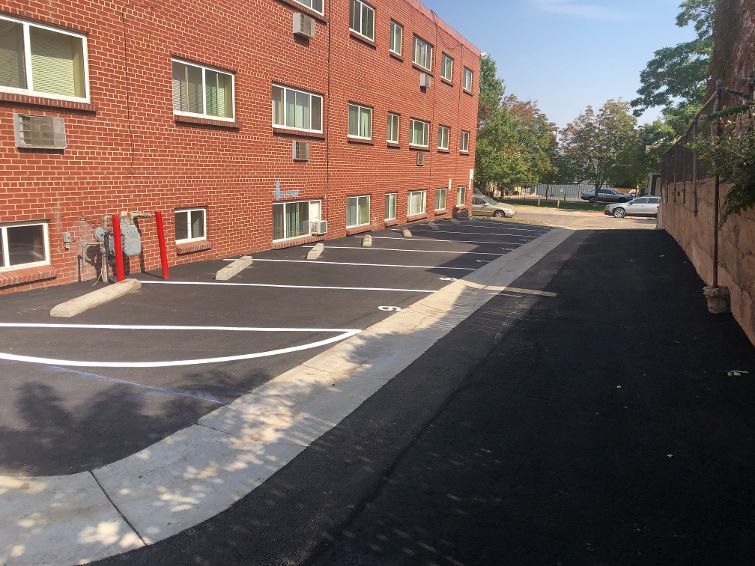
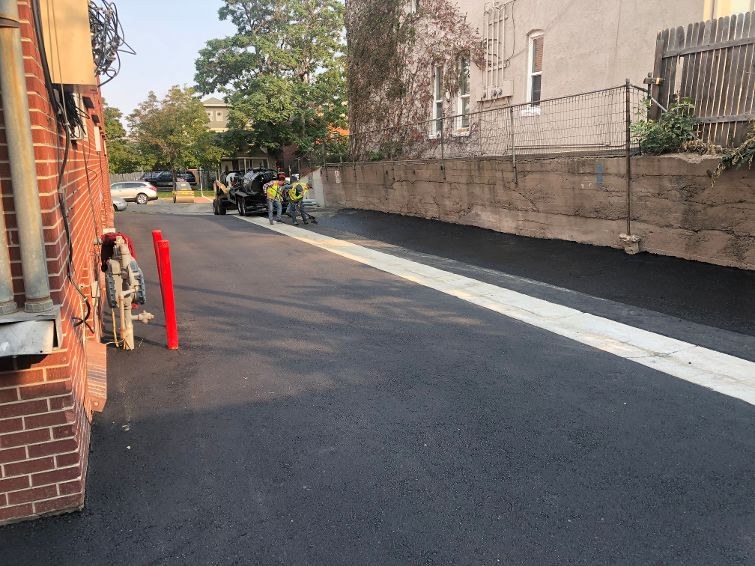
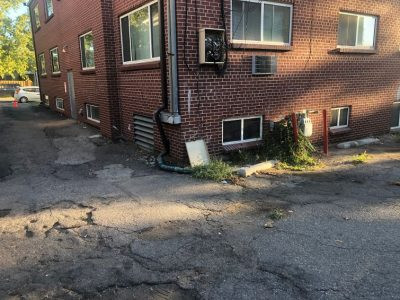
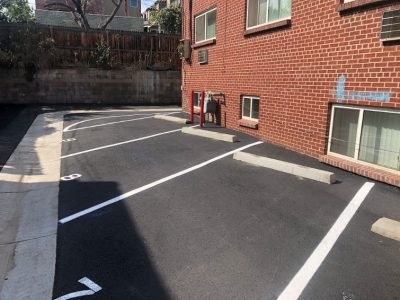
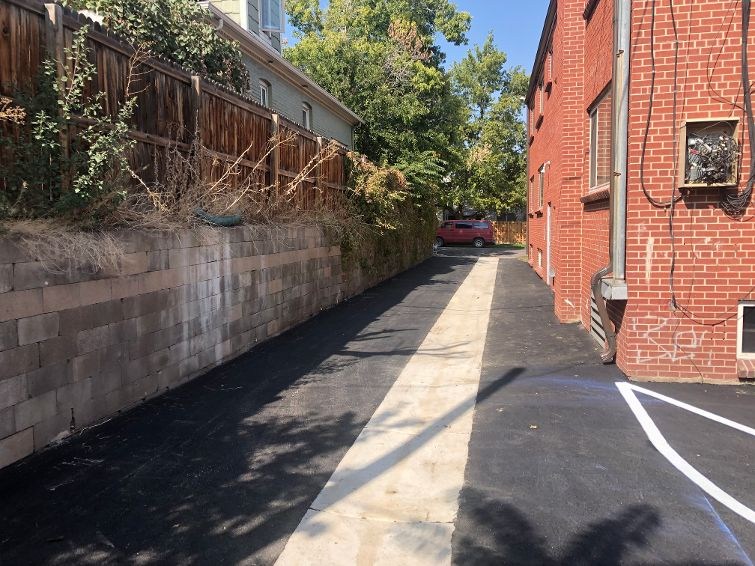
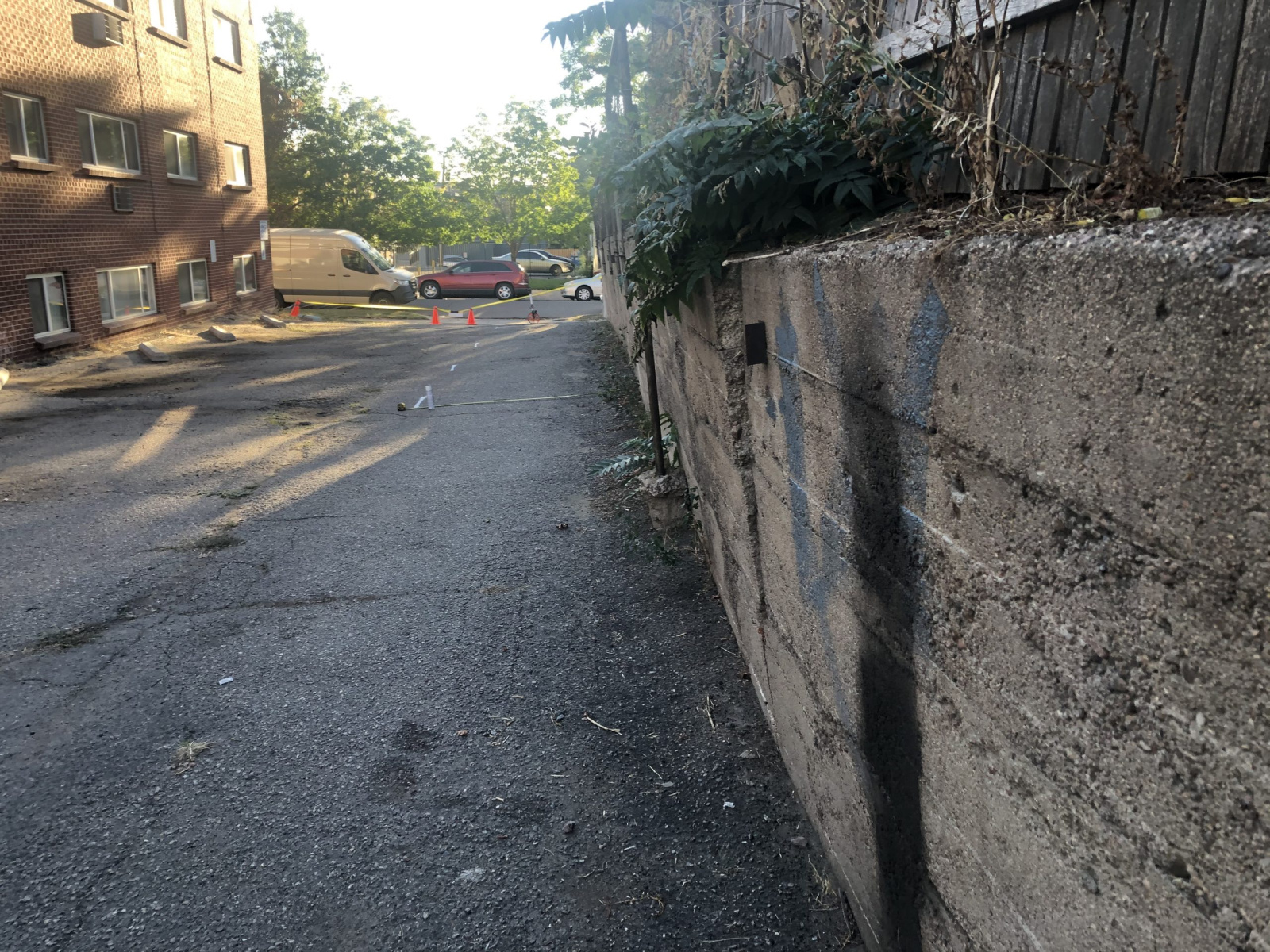
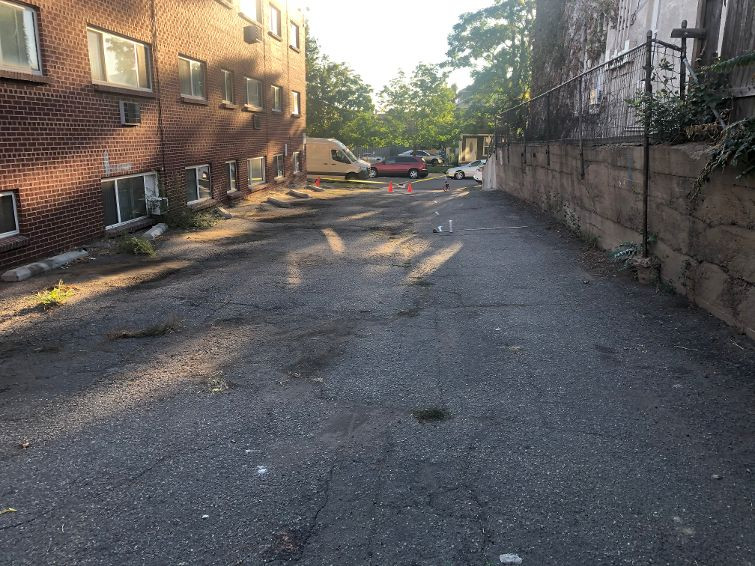
The Highland Apartment in Denver, CO is a small apartment complex that had a very aged and deteriorated parking lot. The team at Colorado Pavement Solutions assessed the lot and determined the best long term solution was to remove and replace the entire parking lot. Our team also realized that installing a concrete valley pan to move water out of the lot would preserve the asphalt parking lot and prolong its usable life span.

During our assessment, we became concerned about the integrity of the adjacent property’s retaining wall. As such, we recommended the property owner have it assessed by an engineer prior to commencing our scope of work. We were concerned demolishing the asphalt with a skid steer hammer might compromise the integrity of the retaining wall. It turns out the engineer our customer employed to assess the wall concurred with our assessment. As a result, we altered our scope to instead leave the existing 8 feet of asphalt along the entire wall. In doing so, we avoided a potentially catastrophic collapse of the retaining wall during demolition of the asphalt. Instead we adjusted our proposal to simply leave his existing asphalt and sealcoat it to match the appearance of the newly installed asphalt. Excluding the 8 feet of asphalt near the retaining wall, the rest of the parking lot was replaced by our asphalt and concrete crew.

Our team completed the following improvements:

  • Removal of Existing Asphalt within a Safe Distance from Compromised Retaining Wall
  • New Asphalt Installation
  • Concrete Valley Pan Installation for Proper Drainage
  • Sealcoating
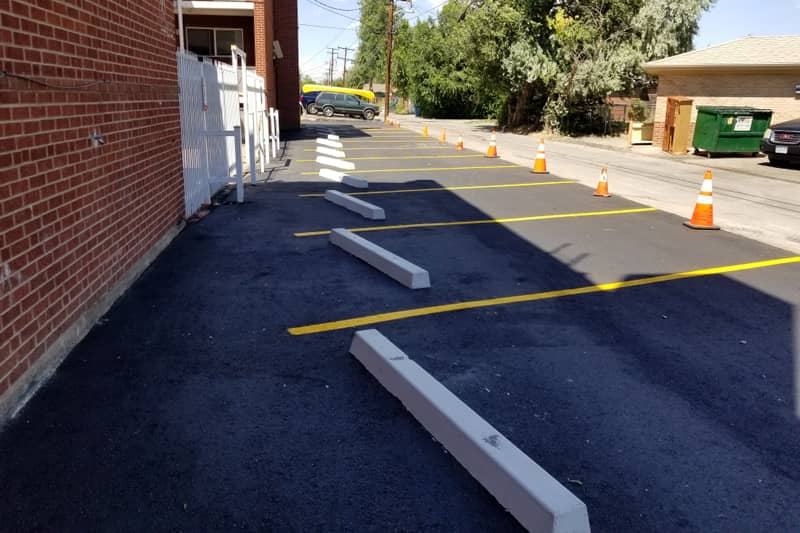
  • Re-striping to reconfigure the lot for safe and efficient parking

Parking Lot Replacement – Denver, CO

Parking Lot Replacement Project – Denver, CO

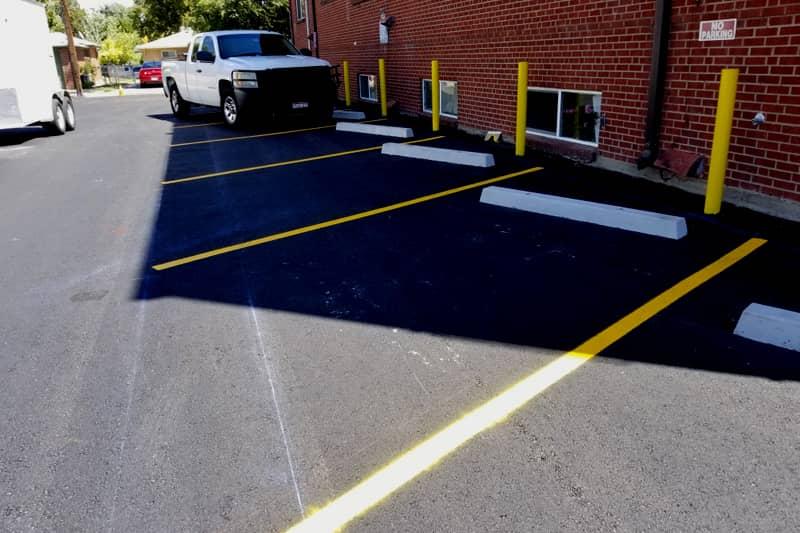
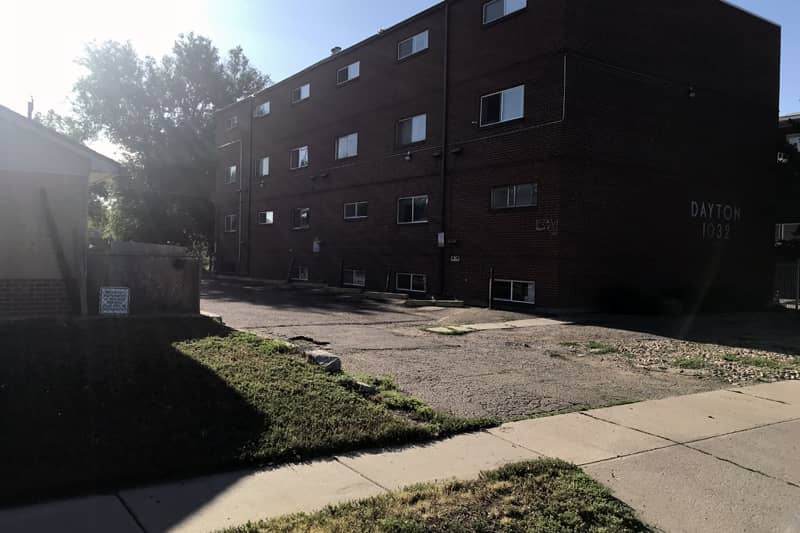
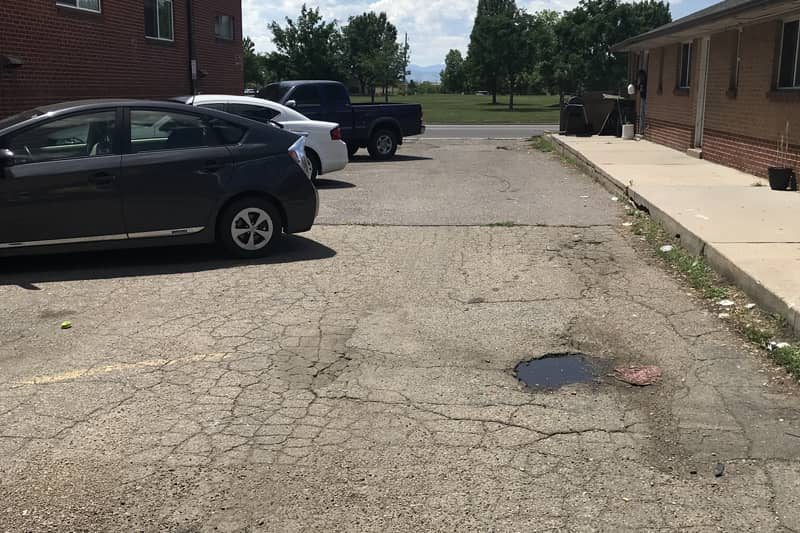
This parking lot in Denver, CO was in complete disrepair making a full replacement the best option for the property owner. The state of the asphalt was a danger to pedestrians with multiple potholes, raveling, cracks and trip hazards. In addition, the parking lot striping was barely visible, creating an unorganized lot for tenants and visitors. In this instance repairing the damaged asphalt would have been more time consuming and cost more than a full replacement.

Our team completed the following improvements:

  • Removal of existing asphalt parking lot
  • Installation of new asphalt parking lot
  • Re-striping of the parking lot for safe and efficient parking
  • Parking Bollard Installation/repair
  • Curb Stop Repair/Replacement

How Many Inches of Snow Before You Plow?

How Many Inches of Snow Before You Plow?

Snow. It’s beautiful and brings a sense of wonder when it falls. It can also be a major pain. Every winter a significant chunk of the U.S. must deal with snow and how to get it removed from their driveways, sidewalks, and parking lots. That’s where snow removal services come in.

Snow removal service can help you deal with snow on residential or commercial properties but if you’ve just moved to a cold weather state and are dealing with snow for the first time, how does it work? Let’s get an overview on how many inches of snow before you plow, factors in snow removal price, and how to hire a great snow removal service.

Minimum Amount of Snow to Plow

There are no standard limits on the minimum amount of snow to warrant plowing. While some homeowners don’t plow their driveway until they see at least 6 inches, your city or HOA might require you to plow when you reach certain thresholds including small dustings. If your city or HOA has a set amount – that’s your minimum amount.

For others, a general rule of thumb is to plow before it becomes difficult to use the parking lot, driveway, or sidewalk safely. For a construction site parking lot full of trucks this could be as high as 6 inches or a low as a dusting for standard lots. Many businesses don’t want snow to create hazards at all and call out the snow removal service for any trace of snow. Plowing after any snow, even small amounts, is the best way to reduce your chances of snow or ice-related injuries or issues.

Commercial Snow Removal Rates per Square Foot

Commercial snow removal rates per square foot are difficult to pin down without more information on what you need plowed. Going rates depend on the region, the demand for snow removal, and other physical factors.

Factors in Snow Removal Rates

  • Time to Remove Snow – How much do you need to plow? Due to different factors like volume or storms that continuously dump fresh snow, most snow removal services charge hourly rates as opposed to square foot rates. The larger your lot, the more time it will take. Like any other service a snow removal service may offer better rates for more work (time) though that depends on the company and your contract.
  • Volume – There are several types of snowfall and snowplowing contracts to match snowfall volume. It’s much more work to clear a parking lot of 16 inches of snow compared to 6, and prices per square foot will reflect that. Many snow removal services address volume in their contracts. For example, a removal company might charge you X dollars per square foot for 6 inches of snow or less, a higher rate for 6 to 12 inches, and a higher rate for 12+ inches.
  • Difficulty Factor – Did you hire a snow removal service after the snow in your lot has been compacted down to several inches of ice? Is your parking lot tricky with several nooks and tight turns? Most lots are large flat surfaces that are easy to plow but you might be charged more if the job is exceptionally difficult or requires more time than a normal lot.

Calling for a Quote

You can use these factors to craft a ballpark estimate on what you can expect to pay a snow removal company per square foot, or you can call one. Any reputable snowplow company can discuss your lot or parking area, what type of services they offer, how pricing is affected by different factors, and can give you a quote or schedule of quotes so you’ll know exactly what you’ll pay.

Finding the Right Snowplowing Company

If you need to hire a snow removal service, you need to consider the factors above to make a great hire. There are both shady and reputable snow removal services, so you need to do the research to find a great company. Use this checklist for a great hire:

  • Local – Hire a snow removal service that’s as close as possible. Every snow removal service plans their routes differently but you’re more likely to get efficient service from a service that doesn’t have to drive across town to get to you.
  • Good Reviews – Only hire companies with several positive online reviews from a variety of review sites. Use reputable reviews sites like Google, Angie’s List, and the BBB.
  • Insured – If the snowplow backs into a vehicle, you sure as heck don’t want to pay for it. Always be certain a snow removal service is fully insured before signing a contract.

Get Your Quote, Say Goodbye to Snow

How many inches of snow before you plow depends on your lot, its traffic, and many other factors but most businesses plow their lots after 2 to 3 inches. Snow removal rates vary by contract, environment, and more but you can get a free estimate by calling your local landscape or snow removal service. Get your quote, sign the right contract, and the next time snow hits you can relax instead of grabbing the salt and shovel.

Parking Lot Project – Power Motive

Power Motive Parking Lot Project – Denver, CO

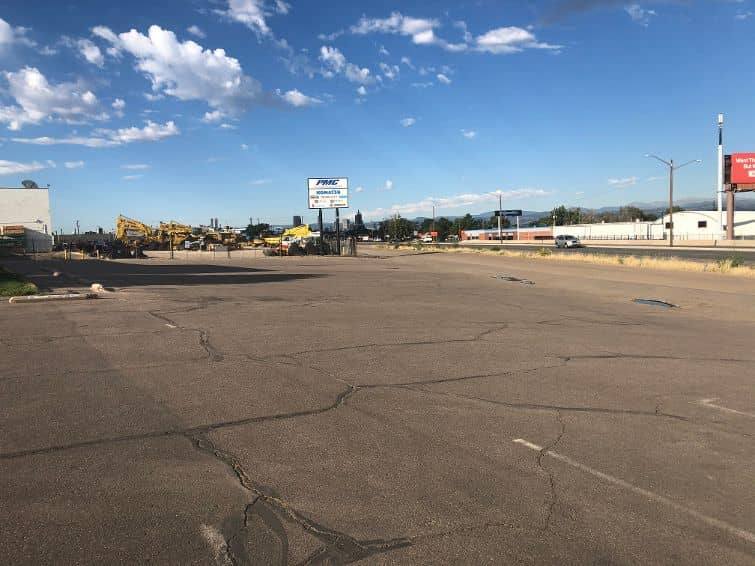
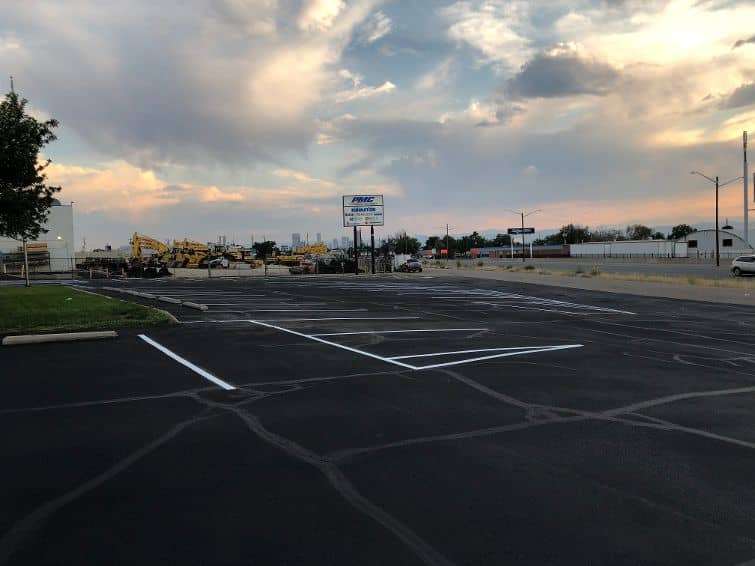
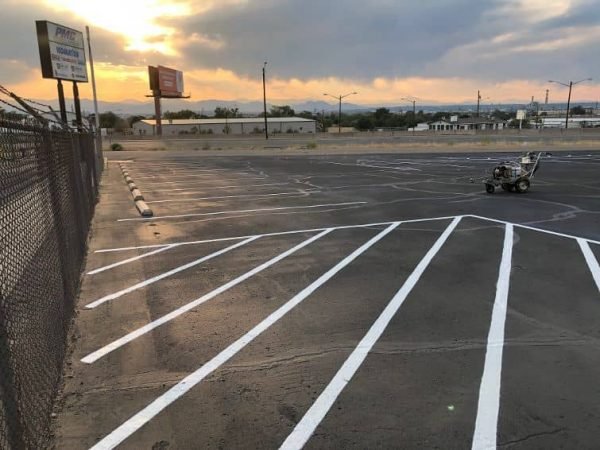
When Power Motive in Denver, CO needed to reconfigure and add parking spaces to their lot, they called Colorado Pavement Solutions. In order to increase their parking lot capacity we extended their parking lot into some unused yard space, adding 8 new parking spaces. After expanding the lot we seatcoated the existing parking surface before restriping. Restriping allowed us to add an additional 6 spaces, making for a total increase of 14 parking spots on their lot.

Our team completed the following improvements:

  • Expansion of current parking lot area into unused yard space
  • Asphalt Sealcoating of current parking area
  • Re-striping to reconfigure the lot for additional parking stalls to accommodate customers

Industrial Parking Lot – Aurora, CO

Industrial Parking Lot Paving Project in Aurora, CO

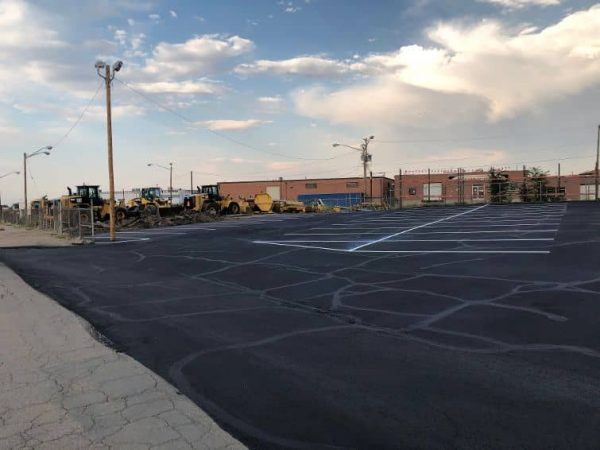
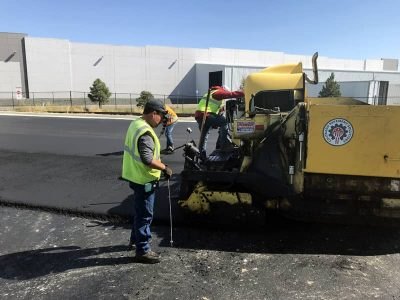
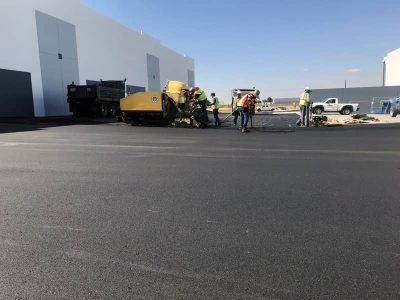
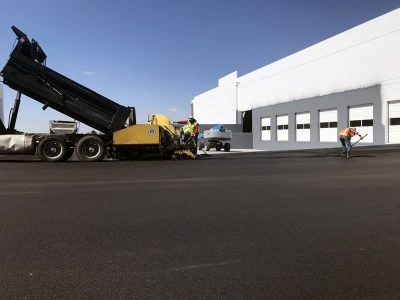
Colorado Pavement Solutions was tasked with laying a new asphalt parking lot at an industrial building in Aurora, near Denver International Airport. Our team installed a new asphalt mat, which as you can see in the pictures, is uniform and smooth. This parking lot project showcases our capabilities and professional finished product.

Our team completed the following improvements:

  • Brand new asphalt parking lot installation in Aurora, CO
Request Estimate