Archive for:

Author Archive for Admin – Page 6

When to Mill and Overlay a Parking Lot

When to Mill and Overlay a Parking Lot

If you own or manage a parking lot or other parking structure – it’s up to you to maintain it. A good parking lot is free of giant cracks, is well marked, and gives the lot’s visitors a smooth, drivable surface. Unfortunately, even if you do your best to maintain your asphalt parking lot it will eventually wear out and need to be repaired or replaced.

When it’s time to resurface or repave your lot, property managers have a few options but mill and overlay is one of the most cost-effective ways to revamp your asphalt. Let’s learn when to mill and overlay a parking lot including what a mill and overlay is and why mill and overlay is one of the smartest repaving options.

What is a Mill and Overlay?

The mill and overlay consist of milling one to two inches of previous asphalt and overlaying fresh asphalt on top of the milled surface.

Milling a Parking Lot

Milling is achieved through mechanical means, namely an asphalt milling machine. Asphalt milling machines are designed to grind up one to two inches of old asphalt to prep the surface for an overlay. Milling machines vary from smaller machines meant for personal driveways to large-scale milling monsters that can chew up a 10-acre parking lot in no time.

Overlaying a Parking Lot

Overlaying is the process of coating the lot in a fresh layer of hot asphalt. A milled surface makes for an excellent base surface to keep your new asphalt looking great for years.

When to Mill and Overlay

When your lot has reached the end of its serviceable life, it’s time for a mill and overlay. If your lot is showing any of the following signs it’s time to talk to a professional about mill and overlay:

  • Faded, gray surface
  • Riddled with potholes and gouges
  • Numerous and large cracks
  • Drainage issues
  • Missing pieces of asphalt
  • Numerous ‘spiderweb’ formations

Why Not Just Overlay?

There’s a lot more work and equipment involved in a mill and overlay compared to a direct overlay, so why wouldn’t you simply pour fresh asphalt over your old? For many reasons:

  • Building Code and Curbs – Curbs aren’t only there for decoration, they help partition the sidewalk from lot, help direct rain runoff, and must meet certain heights to match local building code. If you overlay over your existing lot, you decrease curb height which could cause code issues in your lot.
  • Disrupting the Flow – If your lot was poured correctly it’s designed to move storm water and other debris away from main areas into runoff areas. If you overlay your parking lot without milling, you can disrupt the natural draining process of your lot and no lot visitor likes to navigate floods and puddles.
  • Bad Base – You can only see the top layer of asphalt, but all the other hidden layers protect the asphalt’s integrity. If these hidden layers are old and filled with cracks, they won’t serve as a particularly good base. Milling provides an even, prepared base for fresh asphalt to live on. Without a solid base your new asphalt is likely to suffer from surface cracks and premature aging.
  • ADA Compliance – The American with Disabilities Act (ADA) dictates curb heights, ramp heights, and other factors that are calculated and followed during the initial asphalt installation. An overlay can compromise ADA access and could result in a fine and poor access for any differently abled customers.

Benefits of Mill and Overlay for Property Owners

  • Affordable – Mill and overlay is much more affordable than a total replacement with a serviceable life almost as close. If the base of your asphalt is in good condition, you only need an affordable mill and overlay.
  • Practical – While a mill and overlay won’t provide the same warranty as a brand-new lot, it cost much less than pulling up the entire lot and starting from scratch. Most lot owners only need to do a full replacement if there are severe drainage issues or if the base has become compromised.
  • Longevity – A mill and overlay will last much longer than an overlay alone. You can expect a mill and overlay lot to last anywhere from 10 to 15 years with regular maintenance.
  • Convenient – Bulldozing out fresh dirt, carefully designing and shaping a lot, and pouring all new materials is a labor and time drain – but a mill and overlay is much quicker. Most mill and overlay companies can have your lot milled, overlaid, and ready for traffic in as little as 1-2 days.
  • Looks Great – Your asphalt parking lot is the first impression of your property. With a mill and overlay your lot’s visitors can enjoy a beautiful new blacktop.

Hiring a Mill and Overlay Contractor Today

Don’t wait while your parking lot ages into crumbles or damages someone’s vehicle, schedule a contractor to look at your lot today. Colorado Pavement Solutions can examine your lot and give you a quote free of charge. With a fresh mill and overlay you’ll have a beautiful parking lot that looks great and takes care of all visitors.
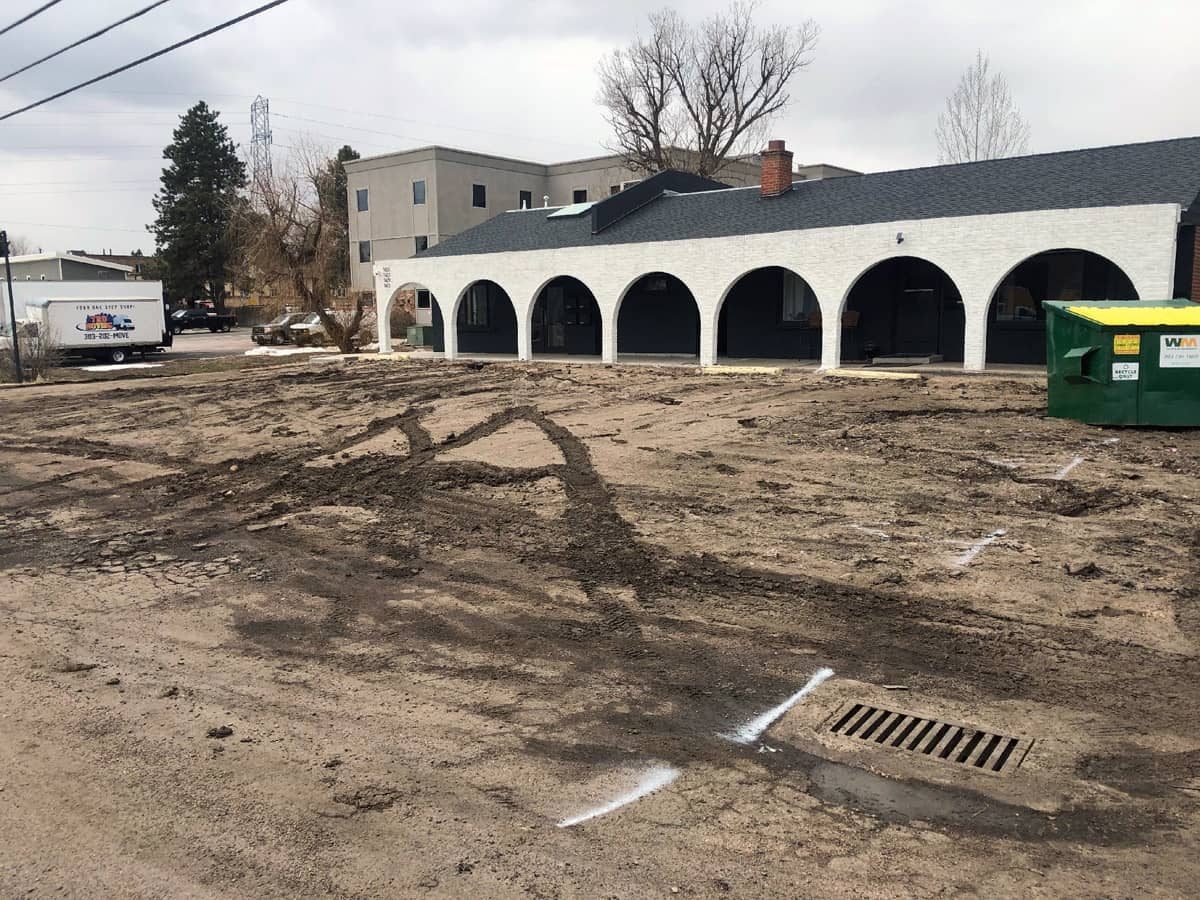
Artist Studio Regrade and Repave – Lakewood, CO

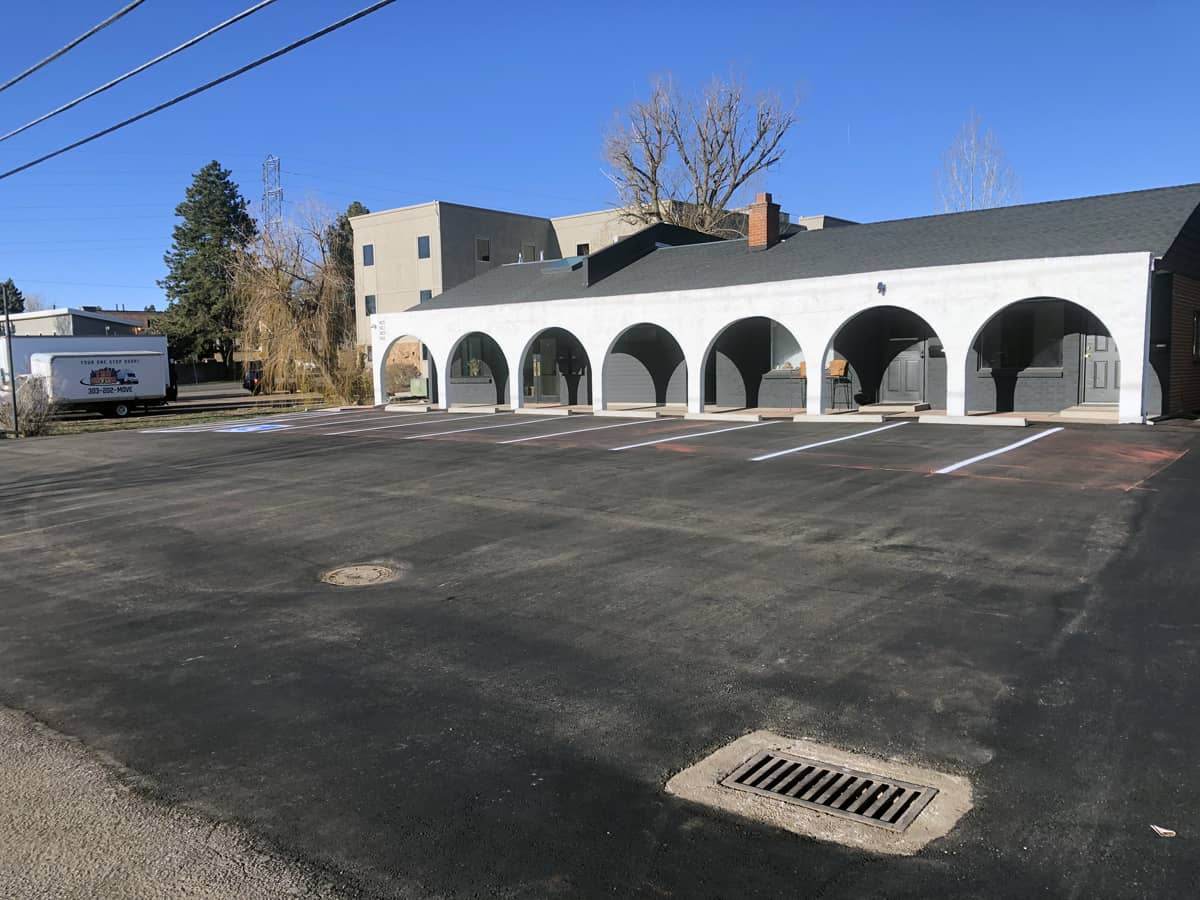
Artist Studio Parking Lot Replacement – Lakewood, CO

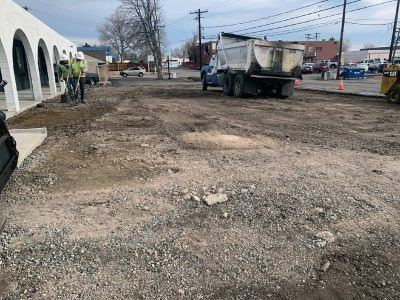
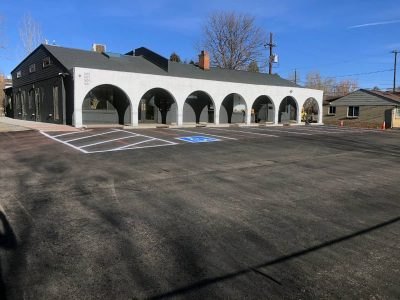
This is an artist studio that had a completely failed asphalt parking lot after undergoing building renovations and the subsequent construction. Colorado Pavement Solutions removed the existing asphalt, regraded the entire parking lot, paved 4″ of new hot-mix asphalt, installed 7 auto stop parking blocks and re-striped a new layout. It took half a day to regrade the lot and one full day of paving. CPS met the customer’s deadline and everyone was happy.

Our team completed the following improvements:

Asphalt Stabilization

Asphalt Stabilization

Not to insult the state of Colorado – but its soil is cruddy. Colorado is home to brutal winds, active geological events, ice, and much more. All those elements take their toll on Colorado’s topsoil which creates unique challenges from installing gardens to laying down new asphalt.

When installing or replacing asphalt you need proper soil and a proper base which usually doesn’t exist on its own in Colorado. For the proper asphalt pour you need a base that’s strong, drains correctly, and has the right consistency. Asphalt and concrete contractors like our crew at Colorado Pavement Solutions (CPS) get the right base through asphalt stabilization.

Let’s learn more about CPS’s asphalt stabilization process including its importance and what types of techniques are used to create the perfect base for asphalt. You already know asphalt is engineered before it’s poured but let’s learn how the base is engineered too.

What is Asphalt Stabilization?

In simple terms, asphalt stabilization is the process of preparing a base for proper asphalt installation. In more complex terms, stabilization is permanently altering the physical or chemical composition of soils to enhance their natural capabilities. Asphalt stabilization involves both physical and chemical means to improve the soil and surface of the area being used for asphalt.

Physical Asphalt Stabilization

Physical stabilization uses good-old fashioned elbow grease (and some pro tools) to prepare the base for asphalt. Asphalt contractors use several types of tools including jackhammers, steamrollers, tampers, pavement shredders, and more to break up soil, compact it, or shake it into settling.

During many replacements, a portion of the previous asphalt is left behind, crushed, then mixed with aggregate and fresh asphalt to create a new stable base that recycles some of your previous pavement.

Chemical Asphalt Stabilization

Chemical stabilization is using additives like lime or cement to further strengthen an area before pouring new asphalt. Additives mix with natural clay and other components in the soil to start a chemical hardening process that will keep your base solids for years. Paving professionals don’t always use chemical stabilization but will if it will helps build a better base.

The CPS Asphalt Stabilization Process

  • Testing and Planning – Laying asphalt is a carefully engineered and planned process. That process begins with site soil testing and other methods. Once CPS knows what they’re up against, we can decide on the best next steps.
  • Pulverizing – Portions of previous asphalt are normally left behind as substrate for the new base. How much previous asphalt depends on the job, types of soil present, and goal of the finished product.
  • Compaction – CPS uses steamrollers, compactors, and other physical methods to move, shake, and smash the new base into place
  • More Testing – After the new base is stabilized CPS will perform more tests.
  • Ready for New Pavement – Once the base passes all stabilization measures and tests, you’re ready for new asphalt.

What If You Don’t Stabilize Asphalt?

You can’t dump asphalt on a flat surface and hope that everything works out. If you don’t stabilize the base your asphalt will face many issues including:

  • Minor and major cracking – A poor base will encourage cracks to form quickly instead of years down the road. With poor stabilization you might see major cracks running the length of your new pavement or dozens of small cracks.
  • Sunken asphalt – Portions or whole slabs can sink if not stabilized properly. In some cases, you can push concrete slabs back into place but that’s difficult with asphalt. Sunken asphalt creates hazards for people, vehicles, and will need to be replaced immediately.
  • Chipping at edges – Poorly poured asphalt will chip and fall apart at the edges when those edges should remain strong for years. A properly stabilized base provides the support the edges and borders of your asphalt needs.
  • Potholes – Potholes are a major pain to deal with and can quickly create angry visitors. If your asphalt professional doesn’t create a good base, you’ll be filing in potholes all year.

If you hire the cheapest bidder to pour your asphalt you’re paying for a cheap stabilization and a poor overall job. Only hire a certified contractor like CPS or you could be re-doing the entire job much sooner than you want to.

Using Local Companies for Stabilization

Hiring an experienced local contractor for asphalt is important for many reasons but one not talked about is local company’s familiarity with local soil. Colorado is home to several types of soils and substrates which takes a local hand with years of experience to judge correctly. It’s easy to hire a large paving conglomerate for the cheap price but without tons of local experience you’re unlikely to get a good, finished job.

If you need help with your asphalt parking lot or know it’s time to replace, give CPS a call today. We’ll put our years of experience together to thoroughly test, stabilize, and give you a perfect finished product.

Life Cycle of Asphalt and Concrete

Life Cycle of Asphalt and Concrete

Did you know that concrete poured into the Hoover Dam in 1935 is still curing today? Both concrete and asphalt are more complex than they appear on the surface including their usable life cycle.

If you’re planning a commercial asphalt or concrete installation you need to plan weeks, months, and even decades ahead to choose the right material for serviceable life, needs, and price. A big part of that planning is determining the life cycle of asphalt and concrete, so you know which one is right for you.

Let’s learn about the life cycle of asphalt and concrete so you know what can get you more years, what you can expect of different materials, and how to get help choosing the right paving material. With the right pavement at the right price, you’ll get the right lifetime.

Life Cycle of Asphalt

The Formulation

The formulation is the beginning of asphalt’s life cycle. Commercial asphalt comes in different blends that use varying formulations of asphalt, aggregate, and supplements. On the low-end you have ‘cheaper’ formulations that will last around 5 to 15 years up to premium blends that can last upwards of twenty-five years. Once the formula is decided on the materials are hot mixed and loaded onto an asphalt truck for the pour.

The Pour

The next step in the life cycle is the pour. An experienced concrete contractor will excavate, clean, reinforce and prepare the site for the pour. The more care that’s taken in the pour, the longer your serviceable life will be. If you hire a reputable contractor there will not be large differences in serviceable life – it will be poured the right way.

The Maintenance

Asphalt that’s properly maintained can last upwards of 5 to 10 years longer than asphalt left to the elements. Proper maintenance including keeping debris off, cleaning oil stains, and regularly re-sealing can keep your blacktop looking and performing great for years longer.

The Environment

The environment plays the biggest tole in asphalt’s life cycle. Exposure to wind, sun, and ice will all age asphalt and the more exposed the asphalt is, the shorter its life will be. The best thing you can do against the environment is sealing your asphalt.

The Rest of the Cycle

After it’s poured your asphalt takes 6 to 12 months to fully cure and will then be at its toughest. With a good formulation and good care asphalt lasts around 15 to 25 years.

End of Asphalt’s Life

If your asphalt is showing the following signs, it has reached the end of its life cycle:

  • Numerous spiderweb cracks
  • Large scale cracking
  • No luster (graytop)
  • Retaining water
  • Crumbling
  • Full of pits and pockmarks
  • Is easily damaged

When is Asphalt Ready for Use?

Hot melt asphalt is generally ready for foot traffic in as little as 24 hours and vehicle traffic in 2-3 days. When asphalt is ready depends on many factors so always play it slowly when opening new asphalt for use.


Life Cycle of Asphalt

The Formulation

Modern concrete is a combination of cement, substrate like sand and gravel, and water. Different amounts of fillers and substrates make for different qualities and serviceable life. Better combinations last longer than others so get with a concrete contractor to choose the best formula for your project.

The Pour

A professional pour is the only way to pour concrete. Concrete engineers use math, chemistry, and their expertise to craft the perfect re-enforcement and perfect pour. Hiring a cheap contractor will lead to a shoddy pour and lower lifetime.

The Maintenance

Concrete generally doesn’t require as much maintenance as asphalt but should still be kept clean, regularly inspected, and resealed if you’re using sealed concrete. Check everything off by having a concrete contractor visit your lot for inspection and maintenance recommendations once yearly.

The Environment

Like asphalt, concrete’s lifetime is drastically influenced by the environment its installed in. Concrete poured in a shady corner away from drainage will last longer than concrete left to the sun and traffic all day. Think about what type of exposure and traffic your concrete will face to choose the best pour.

The Rest of the Cycle

Concrete never really ends its lifecycle and cures indefinitely. The concrete road outside your house poured twenty years ago is curing right now. Concrete never fully cures but cures enough for our purposes after a few days to a week.

End of Concrete Life

If your concrete is showing the following signs, it has reached the end of its life cycle:

  • Easily damaged
  • Looks dull
  • Numerous small cracks
  • Large cracks
  • Pits and pockmarks
  • Concrete becoming loose
  • Slabs forced out of place

When is Concrete Ready for Use?

Most concrete is ready for foot traffic after 48 hours and ready for vehicle traffic within 5-7 days. Don’t allow foot or vehicle traffic on your concrete until your contractor gives you the go-ahead.

Choosing the Right Asphalt or Concrete

Asphalt generally stops its active life cycle from the formulation to around 6 to 12 months after the pour but concrete lives forever. By knowing your concrete and asphalt and choosing a great asphalt and concrete contractor like Colorado Pavement Solutions you’ll get the best paving and life cycle at the best price. Give us a call today to talk paving life cycles and get your paving project started today.

How to Cut Concrete and Asphalt

How to Cut Concrete and Asphalt

That beautiful stretch of highway you took to get to work? That’s thanks to concrete and asphalt contractors. Unless you work in paving it’s difficult to notice the clean lines, sharp corners, and other detail work that comes with asphalt and concrete but without those details you wouldn’t have a great finished project.

How do contractors achieve such great results on commercial projects? By properly cutting the concrete. Both asphalt and concrete are pretty tough, so what does it take to square off edges and make clean cuts?

Let’s learn how commercial contractors cut concrete and asphalt including the tools of the trade and why professionals might need to cut concrete or asphalt. Both concrete and asphalt are known for their strength, but they’re no match for the right tools and skills.

Why You Need to Cut Concrete or Asphalt

Right of Way Work

Right of way (ROW) roadwork involves contractors having access to highways, trails, driveways, and other areas where they need to work on utilities or other infrastructure. For example, your city might have access to the alley behind your house because it houses utility poles for the whole street.

What does this have to do with cutting concrete? When contractors need access to areas, need to reshape areas, or are renovating areas, they usually perform right of way work like cutting concrete and asphalt. The asphalt and concrete contractors tackle can be anywhere from a quarter inch to a few inches thick but sometimes it must come out. The only way that’s going to happen is by cutting.

Custom Paving Installations

Contractors often need to cut asphalt or concrete for custom paving installations. Custom installations include driveways, access roads, commercial parking lots, and sidewalks to start. To achieve a clean, custom look, contractors utilize cutting methods to square their work.

Let’s figure out how concrete professionals are able to slice through pavement for different types of projects.

How Pros Cut Concrete and Asphalt

Cutting concrete or asphalt with a circular saw gives pavers and contractors the cleanest cut but you can’t put any saw blade on concrete, you need diamonds. Stone-cutting sawblades meant for asphalt and concrete are dusted with fine specs of diamond aggregate to give them superior strength and hardness. The diamond-dusted blades will tear through asphalt, concrete, and other types of paving.

Cutting Concrete with a Circular Saw

Cutting concrete or asphalt with a circular saw gives pavers and contractors the cleanest cut but you can’t put any saw blade on concrete, you need diamonds. Stone-cutting sawblades meant for asphalt and concrete are dusted with fine specs of diamond aggregate to give them superior strength and hardness. The diamond-dusted blades will tear through asphalt, concrete, and other types of paving.

Pros and Cons on Cutting Concrete with Circular Saw

Cutting concrete or asphalt with a circular saw is precise even a strong blade will go slowly through most surfaces. Cutting concrete or asphalt with a circular saw takes patience, skill, and diamond-studded saw blades aren’t the cheapest. If you need the cleanest lines and the most precise cuts, you need a circular saw.

Cutting Concrete with Chipping Hammer

If you’re more concerned with getting unwanted pavement out and not appearances, you can opt for an electric or gas chisel to help cut your concrete or asphalt. There are several types of chipping or jackhammers, but all use a pneumatic chisel to hammer out sections of asphalt or concrete. Concrete contractors use specific chisel sizes and types depending on the surface and type of cut.

Pros and Cons of Cutting Concrete with Chipping Hammer

Where the circular saw is more about finesse, the chipping hammer is more about brute force and getting the job done. Chipping hammers can take out general areas but can’t be used for precise cuts, corners, and molding. When your goal is to remove pavement without a care for how it looks a chipping hammer is the way to go.

Talking to a Concrete or Asphalt Professional

If you need ROW work performed, are looking to install a custom parking lot, or otherwise need to cut concrete, you need to turn to concrete professionals. Look for paving companies like Colorado Pavement Solutions that are local, licensed, have great reviews, and have plenty of experience cutting down asphalt or concrete for medium to large projects.

Colorado Pavement Solutions has the local expertise and tools to cut all pavement to exact specifications for a variety of projects. If you want to know more about different paving projects or learn more about how the job gets done, give us a call today.

Cutting Things Down to Size

Concrete and asphalt are strong but not even they can resist the right tools in the right hands. Whether it’s Right of Way roadwork, a new project, or something in-between, you need the power of diamonds and pneumatics to cut through concrete and asphalt. If you’re ready to see the pros do their thing call Colorado Pavement Solutions for a no-obligation inspection today.

When Can You Open a Commercial Parking Lot After Paving?

When Can You Open a Commercial Parking Lot After Paving?

You can’t underestimate the importance of your parking lot or parking garage. It’s easy for a building owner to forget about the lowly parking lot with all the jobs on their plate but your commercial parking lot is a property’s first impression and should always be taken care of.

When it comes time to repair or replace your parking lot or garage the big question is always the same – how long will it take and when can you open? You don’t want to lose business while your lot is closed but if you know how long things take you can schedule accordingly with little disruptions.

Let’s learn when you can open a commercial parking lot after paving including different time frames for asphalt, concrete, and other factors to consider.

When Can You Open After Asphalt Paving

Brand New Lot

What if you’re building a brand-new base with new asphalt? A new lot is the most intensive of all asphalt work and can take several days to prepare and execute. After the top layer of asphalt is poured, when can you open your lot?

Most asphalt parking lots can be open 48 to 72 hours after new asphalt is poured though you’ll need a little more toward the 72-hour mark if the weather is hot. After 72 hours you asphalt will be ready for vehicles.

Mill and Overlay / Pulverization and Stabilization

Mill and overlay and pulverization and stabilization involve recycling previous asphalt but both end with a fresh layer of new asphalt. The new layer of asphalt should cure from 12 to 24 hours before re-opening your lot to traffic.

Sealcoating

Sealcoating provides a fresh layer of asphalt and protectants to your blacktop to keep it looking great for years. Like fresh asphalt, sealcoat needs proper dry times to perform at its best. After sealcoating you can open your commercial lot to foot traffic in just a few hours and vehicle traffic within 24 to 48 hours.

When Can You Open After Concrete Paving?

Many lots and structures across the country are paved with concrete for its longevity but eventually you have to replace concrete too. Concrete pours are big jobs, so when you can expect to re-open your concrete parking lot?

Normally, most new concrete pours should be left alone for one week before allowing vehicle traffic to drive on your new lot though it can be open to foot traffic in as little as 48 hours. During the initial curing period you should also avoid anything with wheels (skateboards, bikes) from rolling across the new pour. Any concentrated weight could damage your concrete.

One week after new installation you can open your lot to regular vehicle traffic.

When Can You Open After Concrete Sealing?

Like asphalt you should regularly reseal your concrete with a fresh coat of protectant concrete sealer. You won’t need to close your lot for a week for resealing, but you should allow your concrete to dry for 24 hours for foot traffic and 48 hours for vehicle traffic.

Parking Lot vs Parking Garage Dry Times

Do parking lots and garages dry differently? It’s possible, but normally not enough to significantly affect dry or cure times by more than a few hours. Parking lots are exposed to more sun and wind compared to parking garages, so lots might dry or cure slightly faster.

The bigger factor in dry and cure times is concrete vs. asphalt. Concrete cures more slowly than asphalt so you can expect a concrete parking garage to take longer for reopening compared to an asphalt parking lot.

Getting Tips from Your Paving Contractor

Your paving contractor will use their material knowledge, expertise on the local climate, and experience to help you judge when it’s safe to re-open your lot to traffic. Most paving professionals will give you direct timetables to help you plan and execute your new installation with as little disruption as possible.

Re-Opening to Vehicles Quick List

The following list can be used as a guide though ultimately your paving contractor will determine when you can reopen:

  • New Asphalt – 48-72 hours
  • Re-milled Asphalt – 24 hours
  • Asphalt Sealer – 24-48 hours
  • New Concrete – One week
  • Concrete Sealer – 48 hours

Getting Your Concrete or Asphalt Parking Lot Ready and Reopened

New asphalt typically takes 48 to 72 hours to set while new concrete can take up to one week. Before closing your lot talk to the professionals at Colorado Pavement Solutions or your local paving contractor about individual closing times so you know how to plan ahead. With the right planning and a great paving contractor you can be re-open with a beautiful new lot in only a few hours to a few days.

What is Asphalt Pulverizer?

What is Asphalt Pulverizer?

Your commercial asphalt parking lot is dull, filled with cracks, and pocked with divots. Not only is it unsightly to look at, but an old asphalt lot presents hazards to your property’s visitors. When your asphalt has seen better days – what should you do?

Asphalt has a long serviceable life, but it doesn’t last forever and eventually you need to figure out your options for replacing an asphalt parking lot. What’s right for you depends on your lot’s current condition, comfort needs, and budget, so there are many options to look at. One of the best options is asphalt pulverizing.

Asphalt Pulverizer Process

Asphalt pulverizing is the process of grinding up both the top layer of asphalt and its underlying aggregate to create a new base surface for fresh asphalt. During pulverizing, a machine with rotating blades reaches anywhere from 2 to 12 inches down to pulverize different layers of asphalt into one even mix.

Asphalt Pulverizer vs. Milling

Pulverizing and a mill and overlay are similar, but how the old asphalt is dealt with sets pulverizing and milling apart. In asphalt milling, only the top surface layer of asphalt is removed in preparation for a new overlay of asphalt. The top removed layer is recycled into other asphalt products, but the bottom base layer is left intact. During pulverization, both the top layer and underlying stone and aggregate are ground up but reused for the new asphalt.

Compaction and Grading

Before the ground asphalt is ready for the next major steps it has to first be compacted and grated. Most asphalt companies start with a ‘rough’ compaction done by hand or mechanical roller. After the rough compaction, the surface is leveled and graded until the engineers have the right angles they need. After the lot is graded a paving company will use a mechanical compactor to drive everything down. Now the surface is ready for stabilization.

Asphalt Pulverizing and Stabilization

Stabilization is the second major part of the pulverizing process. Without stabilization, the ground up layer will wash away with the first rainstorm.

Stabilizing is the process of overlaying the ground up asphalt with a fresh layer of hot asphalt. The new asphalt is carefully poured on top of the compacted surface to create a solid new blacktop. After a few hours of drying, your lot is ready for vehicles.

Advantages of Asphalt Pulverization

Affordable

With asphalt pulverization you’re getting a much better deal on both material and labor. Because the old asphalt is pulverized and left instead of removed, you avoid a lot of labor costs that come with full replacement. You’re also recycling all the old asphalt into a new base, so you only pay a fraction of the material cost when compared to full replacement.
Better Lifetime than Mill and Overlay

While it won’t give you the same lifetime of a full replacement, asphalt pulverizing traditionally gives more years than a mill and overlay. If you don’t have the resources or energy for a full replacement but need something better than a mill and overlay – asphalt pulverizing hits the sweet middle spot.

Efficient

Asphalt pulverization is more efficient than full asphalt replacement. Again, because the previous asphalt is left in place, you’re skipping many steps which makes for a more efficient process. You can have your hotel parking lot pulverized, graded, and stabilized within a few hours up to a couple days depending on the size of the lot. Full replacement can take anywhere from a full day to a couple weeks to finish. If you need minimal downtime in lot closures and access you should choose the more efficient process of pulverization.

Advantages of Asphalt Pulverization

Limited Lifetime

A freshly pulverized and recoated lot can give you anywhere from five to twenty years of service, depending on the quality of the new coating and climate in your area. A full replacement can last anywhere from ten to thirty years. You’ll get a longer serviceable life from a full replacement, but it will cost more.

Appearance

Most visitors to your lot will have no idea your lot was pulverized instead of replaced thanks to the fresh coat of asphalt, but there are slight aesthetic differences in a pulverized lot compared to a replaced lot. Nothing will beat the shine and appearance of full asphalt replacement but unless you’re incredibly vain about your parking lot, a pulverized lot will work fine.

Starting Asphalt Pulverizing

If asphalt pulverizing and stabilization sounds like the right choice for you and your commercial lot, you need to get the process started by calling Colorado Pavement Solutions. Colorado Pavement Solutions can inspect your commercial asphalt lot, make recommendations on pulverizing or other processes, then get you a complimentary quote on the job. Once everything is signed off, we’ll get started refacing your lot right away with expert care.

The Skinny on Asphalt Pulverizing

Asphalt pulverizing involves grinding up two to twelve inches of old asphalt, mixing and compacting it into a viable surface, then adding a fresh layer of asphalt on top. Asphalt pulverizing is quick, affordable, and looks great. If you’re ready to pulverize your lot call the asphalt the experts at Colorado Pavement Solutions today.

What is Asphalt Emulsion Sealer?

What is Asphalt Emulsion Sealer?

Everyone’s heard of asphalt. Asphalt makes up our highways, runways, and parking lots due to its affordability, strength, and versatility. Though most everyone has heard of asphalt, hardly anyone has heard of asphalt emulsion sealer. To most, not knowing what asphalt emulsion sealer is will never affect their daily lives, but if you manage a commercial property, HOA, church, or other outfit that has asphalt – you need to know about asphalt emulsion.

Let’s learn the basics of asphalt emulsion including why it matters to property owners and what you can use it for. Knowing the basics of asphalt emulsion sealer and how to effectively use it could save you hundreds to thousands of dollars on asphalt maintenance.

Asphalt Emulsion Sealer Basics

It’s time for a little science. What is asphalt emulsion? An emulsion is a mixture of tiny droplets of one liquid into another liquid in which it would normally not be soluble. Emulsions use an emulsifying agent, also known as a surfactant, to allow the two substances to mix. There are several emulsions around you right now like mayonnaise and butter.

In asphalt’s case the emulsion is a mixture of asphalt products and water. Under normal circumstances any oil-based product would never mix with water but with the addition of an emulsifying agent like soap, in the case of asphalt, emulsions allow the two to blend into a uniform mixture.

Once its blended, asphalt professionals can coat the uniform mixture onto asphalt paving like parking lots or neighborhood streets. Asphalt emulsion is a neat mixture of science to make a spreadable and workable substance but what is the purpose of asphalt emulsion?

What is Asphalt Emulsion Used For?

The most popular application of asphalt emulsion sealer is for resealing asphalt pavement. It’s not uncommon to see asphalt emulsion used on highways, parking lots, and even runways at the airport. Asphalt emulsion sealer provides a fresh coat of asphalt to the top layer of your blacktop. A fresh sealcoat can prevent environmental damage from ice and the sun’s rays and people-caused damage like divots and pockmarks.

Asphalt emulsion will not make your asphalt invincible, but it will ward off damage. Think of asphalt emulsion as sunblock and tiny bit or armor over your parking lot. It’s not going to block everything, and it won’t keep all damage from occurring but gives your parking lot a fresh shine and added strength.

Asphalt Emulsion vs Replacing Asphalt

Can you use asphalt emulsion instead of replacing your asphalt? Usually no. Asphalt sealant is used as a barrier to keep your blacktop performing its best but can only be applied over asphalt that’s in good shape and has a solid base.

If your asphalt is near the end of its serviceable life sealcoating will not be effective. Before your asphalt contractor begins the sealing process, they will need to inspect your parking lot and make sure sealing is viable. If not, they will let you know why and what replacements options are available.

Is Asphalt Emulsion Hazardous?

No. Unless you put a drinking straw into a mixture of asphalt emulsion and gulp it down asphalt emulsion is not hazardous and will not cause any damage to your health or the surrounding environment.

Asphalt Emulsion Sealer vs. Coal Tar Sealer

If you’ve dealt with your parking lot for years you’ve probably heard of coal tar sealer. What’s the difference between coal tar sealer and asphalt emulsion?

While coal tar was the king of sealing asphalt for decades, emulsion sealer has become more popular thanks to its higher concentration of solids, longer lasting performance, and environmental friendliness. The U.S. Geological Survey found that most coal tar sealants are filled with carcinogens that could leach into the soil surrounding your home. When it comes coal tar vs asphalt emulsion, asphalt emulsion is the better and healthier way to go.

How to Use Asphalt Emulsion Sealer

Kick and back and relax because unless you have expert knowledge, top of the line equipment, and a whole lot of time to waste you’ll be hiring an asphalt professional to use emulsion sealer on your property or HOA.

To begin the emulsion sealing process the asphalt company will first clean your parking lot of debris like leaves and dirt. After it’s cleaned the asphalt company will inspect the entirety of the asphalt for cracks, pockmarks, and other damage that could compromise your seal. Once small-scale repairs and other issues are knocked out its time for the asphalt emulsion.

Thanks to emulsion properties the mixture can be easily spread across large swaths of parking lot or roadway. The mixture is coated evenly and allowed to dry for a few hours. After the emulsion dries, you’ll have a gorgeous and strong blacktop that’s better equipped to handle the elements.

It’s recommended that parking lot owners have their lots cleaned and sealed with asphalt emulsion every 2-5 years depending on the condition of the asphalt and how well it has been maintained from its original construction. Annual sealing not only make your asphalt look great but could prolong the serviceable life of your asphalt for several years.

Using Asphalt Emulsion for Your Parking Lot

Asphalt emulsion is a blend of asphalt products and water used to seal the top of asphalt for greater looks and a longer lifetime. Asphalt emulsion sealing is easy, affordable, and will keep your parking lot looking amazing. If you’re ready to inject new life into your asphalt call Colorado Pavement Solutions about asphalt emulsion sealing services today.

Hotel Parking Lot Maintenance

Importance of Hotel Parking Lot Maintenance

If it’s one thing you want your hotel to be – it’s inviting. Every hotel needs fluffy pillows and clean carpets, but hotel owners and managers need to extend the comfort across the entire property, including the parking lot.

Every hotel owner or manager has a lot of boxes to check but one that slides to the bottom of the list too often is taking care of the hotel parking lot. Failure to maintain your parking lot could result in big bills but the good news is parking lots only require a few hours of attention every year to look and perform their best.

Let’s talk about the importance of hotel parking lot maintenance, including what the ideal parking lot looks like, and what types of regular maintenance will keep your hotel parking looking great.

What to Know About Asphalt Paving in Winter

The most straightforward answer is yes, you can perform driveway repairs during the cold winter months – but it depends on many factors. Let’s go through the specific factors, so you know if a winter asphalt job is viable for your property.

Hot-Mix vs. Cold-Mix Asphalt

Did you know there are two distinct types of asphalt? Asphalt paving projects utilize hot-mix asphalt, so it is not ideal to pave in the winter. Hot-mix asphalt must remain hot to compact and perform properly. If the ambient and ground temperatures are too low, they will chill the hot-mix asphalt while it is in transport from the production plant to your property. This is not good. The other type of asphalt is cold-mix asphalt. This product is engineered to perform in almost any temperature, so it can be installed in the summer or the winter. Cold-mix cannot be paved, so it will not work for replacing an entire driveway; however, it can be used to repair potholes.

Daily Temperatures

You can do hot-mix asphalt installation in winter only when temperatures are above 55 degrees and rising. Also, asphalt plant production is spotty during the winter months, making it challenging to purchase asphalt from the producers. Asphalt should never be installed on frozen ground. So if you’re looking at a string of days below or close to freezing, it’s best to wait. Asphalt can’t properly mix, set, or cure if the temperature is too cold, and you’ll be left with a low-quality job you’ll have to fix immediately.

However, not everyone gets freezing or bitter temperatures through winter. Though known as a cold-weather state, Colorado can see winter temperatures in the 50’s and even 60’s. Places like the deep south, the high desert, and coastal areas are very unlikely to see a string of freezing temperatures making asphalt work in the winter viable for several parts of the country, including Colorado under limited circumstances.

Trying to schedule a winter asphalt installation is difficult, but if you can find a few days with above-average winter temps and no freezing forecast, you should be able to take on your asphalt job without any issues. If you have concerns, talk to your asphalt contractor about waiting for a better time for a full paving project.

Temperature Fluctuations

Severe temperature fluctuations during installation can also cause deficiencies in your asphalt installation or repair. Even if winter temperatures are well above freezing, look for any wild temperature swings in the forecast and avoid them for new installations. Extreme temperature swings can cause cracking, softening, and raveling.

Precipitation

Precipitation in all forms can be bad for asphalt paving, depending on a couple of factors. Winter brings freezing rain, snow, ice, and other enemies to asphalt that must be monitored. Avoid paving with any precipitation in the forecast. Light rain in the summer won’t cause harm to asphalt if it has already been compacted, but it can cause the asphalt temperature to drop swiftly during the installation process, which is not good.

Importance of Hiring Local Asphalt Company

The most important thing to do when hiring an asphalt company for winter work is to schedule a local asphalt paving company. Local companies know the subtleties of their local environment, including when the asphalt is most likely to take and when you should stay clear of installing new asphalt. A local company will tell you outright if winter installation is a bad idea, and when your asphalt installation is more viable.

Get Paving (Maybe in Winter)

If temperatures are warm, if there’s no precipitation in the forecast, and if your local contractor thinks you’re good to go – you can do asphalt in the winter. If your asphalt job can’t wait and your environment allows it, talk to a local paving contractor about getting on the schedule. If you have miserable cold winters, schedule your project for spring installation. Cold weather and asphalt don’t get along very well, but with patience and the right contractor, you can make it work – but only if mother nature allows it.

Request Estimate