Archive for:

Author Archive for Admin – Page 5

Economic Analysis of Elements in Pavement Design

Pavement is a critical component of infrastructure for any business, residential, or industrial property. It provides a smooth surface for vehicle and foot traffic and enhances the curb appeal of the property.

However, pavement construction and maintenance can be a significant expense for property owners, and finding the right balance between quality and cost-effectiveness can be challenging. In this article, we’ll explore the economics of pavement, focusing on the various factors that impact the cost-effectiveness of pavement construction and maintenance.

Economic Analysis of Elements in Pavement in Balancing Quality and Cost-Effectiveness

In this article, we’ll delve into the technical aspects of pavement economics and explore the variables that affect pavement construction and maintenance costs. Property owners must consider multiple factors from materials selection to maintenance schedules when deciding their pavement infrastructure.

The Initial Cost of Pavement Construction

The cost of pavement construction is determined by several factors, such as the size of the area, the materials used, and the type of pavement. The initial pavement construction cost can be significant, especially for large projects. However, it’s essential to remember that investing in high-quality pavement can lead to cost savings in the long run. A well-constructed pavement can last for many years, reducing the need for frequent repairs and maintenance.

The Importance of Pavement Maintenance

Pavement maintenance is crucial for preserving the longevity of the pavement. Regular maintenance, such as seal coating and crack filling, can prevent small issues from becoming more significant and requiring expensive repairs or complete replacement. Routine maintenance is also less expensive than larger repairs, making it a cost-effective solution for property owners.

The Cost of Neglecting Pavement Maintenance

Neglecting pavement maintenance can result in costly consequences. For example, ignoring cracks and potholes can lead to water infiltration, weakening the pavement’s sub-base, and more extensive damage. This damage may eventually require expensive repairs or complete pavement replacement, which can be a significant expense for property owners.

Pavement Materials and Their Cost Implications

The type of pavement materials used can also impact pavement construction and maintenance cost-effectiveness. Some materials, such as asphalt, are more affordable than others, such as concrete.

However, the pavement’s lifespan should also be considered when considering material costs. Asphalt pavements typically have a shorter lifespan than concrete pavements and may require more frequent repairs and maintenance, making them less cost-effective in the long run.

Choosing the Right Pavement Company for Cost-Effective Solutions

Selecting the appropriate pavement company is an essential aspect of ensuring the cost-effectiveness of pavement solutions. An experienced and trustworthy pavement company should conduct a thorough evaluation of the property’s specific requirements and propose the most efficient and cost-effective solutions.

For instance, the company may suggest preventive maintenance measures such as sealcoating and crack filling as an alternative to the complete replacement of pavement. This proactive approach can save property owners considerable expenses in the future by preventing minor issues from escalating into significant problems that require costly repairs or replacement. By identifying and addressing these problems early, a reliable pavement company can help property owners achieve optimal performance and longevity from their pavement infrastructure while minimizing costs.

Conclusion

The cost-effectiveness of pavement construction and maintenance is a crucial consideration for property owners. Investing in high-quality pavement and regular maintenance can lead to significant cost savings in the long run. Neglecting pavement maintenance can result in more extensive damage and costly repairs or replacement. Choosing the right pavement company is critical for ensuring cost-effective pavement solutions.

Colorado Pavement Solutions is a leading pavement company that specializes in providing cost-effective pavement solutions to property owners in Colorado. Our team of experienced professionals understands the importance of balancing quality with cost-effectiveness when it comes to pavement construction and maintenance.

We offer a range of pavement services, including seal coating, crack filling, pavement repair, and complete pavement replacement. Our team will assess your property’s specific needs and recommend the most cost-effective solutions that will help you save money in the long run.

Frequently Asked Questions

Q: How long does pavement last?

A: The lifespan of a pavement depends on several factors, such as the type of pavement, the quality of construction, and the level of maintenance. Generally, asphalt pavements last between 20-30 years, while concrete pavements can last up to 50 years with proper maintenance.

Q: Is regular maintenance necessary for pavement?

A: Yes, regular maintenance is necessary for the pavement to preserve its longevity and prevent small issues from becoming more significant problems that require costly repairs or replacement.

Q: Can choosing a cheaper pavement material save money in the long run?

A: While choosing a cheaper pavement material may save money in the short term, it’s essential to consider the material’s lifespan and required maintenance when evaluating the long-term cost-effectiveness of pavement construction and maintenance.

Q: How do I choose the right pavement company?

A: When choosing a pavement company, look for one with a proven track record of quality work and customer satisfaction. Additionally, ask for references and examples of their previous work, and ensure they have the necessary licenses and insurance to perform the work.

Economic Analysis of Elements in Pavement Design

Pavement is a critical component of infrastructure for any business, residential, or industrial property. It provides a smooth surface for vehicle and foot traffic and enhances the curb appeal of the property.

However, pavement construction and maintenance can be a significant expense for property owners, and finding the right balance between quality and cost-effectiveness can be challenging. In this article, we’ll explore the economics of pavement, focusing on the various factors that impact the cost-effectiveness of pavement construction and maintenance.

Economic Analysis of Elements in Pavement in Balancing Quality and Cost-Effectiveness

In this article, we’ll delve into the technical aspects of pavement economics and explore the variables that affect pavement construction and maintenance costs. Property owners must consider multiple factors from materials selection to maintenance schedules when deciding their pavement infrastructure.

The Initial Cost of Pavement Construction

The cost of pavement construction is determined by several factors, such as the size of the area, the materials used, and the type of pavement. The initial pavement construction cost can be significant, especially for large projects. However, it’s essential to remember that investing in high-quality pavement can lead to cost savings in the long run. A well-constructed pavement can last for many years, reducing the need for frequent repairs and maintenance.

The Importance of Pavement Maintenance

Pavement maintenance is crucial for preserving the longevity of the pavement. Regular maintenance, such as seal coating and crack filling, can prevent small issues from becoming more significant and requiring expensive repairs or complete replacement. Routine maintenance is also less expensive than larger repairs, making it a cost-effective solution for property owners.

The Cost of Neglecting Pavement Maintenance

Neglecting pavement maintenance can result in costly consequences. For example, ignoring cracks and potholes can lead to water infiltration, weakening the pavement’s sub-base, and more extensive damage. This damage may eventually require expensive repairs or complete pavement replacement, which can be a significant expense for property owners.

Pavement Materials and Their Cost Implications

The type of pavement materials used can also impact pavement construction and maintenance cost-effectiveness. Some materials, such as asphalt, are more affordable than others, such as concrete.

However, the pavement’s lifespan should also be considered when considering material costs. Asphalt pavements typically have a shorter lifespan than concrete pavements and may require more frequent repairs and maintenance, making them less cost-effective in the long run.

Choosing the Right Pavement Company for Cost-Effective Solutions

Selecting the appropriate pavement company is an essential aspect of ensuring the cost-effectiveness of pavement solutions. An experienced and trustworthy pavement company should conduct a thorough evaluation of the property’s specific requirements and propose the most efficient and cost-effective solutions.

For instance, the company may suggest preventive maintenance measures such as sealcoating and crack filling as an alternative to the complete replacement of pavement. This proactive approach can save property owners considerable expenses in the future by preventing minor issues from escalating into significant problems that require costly repairs or replacement. By identifying and addressing these problems early, a reliable pavement company can help property owners achieve optimal performance and longevity from their pavement infrastructure while minimizing costs.

Conclusion

The cost-effectiveness of pavement construction and maintenance is a crucial consideration for property owners. Investing in high-quality pavement and regular maintenance can lead to significant cost savings in the long run. Neglecting pavement maintenance can result in more extensive damage and costly repairs or replacement. Choosing the right pavement company is critical for ensuring cost-effective pavement solutions.

Colorado Pavement Solutions is a leading pavement company that specializes in providing cost-effective pavement solutions to property owners in Colorado. Our team of experienced professionals understands the importance of balancing quality with cost-effectiveness when it comes to pavement construction and maintenance.

We offer a range of pavement services, including seal coating, crack filling, pavement repair, and complete pavement replacement. Our team will assess your property’s specific needs and recommend the most cost-effective solutions that will help you save money in the long run.

Frequently Asked Questions

Q: How long does pavement last?

A: The lifespan of a pavement depends on several factors, such as the type of pavement, the quality of construction, and the level of maintenance. Generally, asphalt pavements last between 20-30 years, while concrete pavements can last up to 50 years with proper maintenance.

Q: Is regular maintenance necessary for pavement?

A: Yes, regular maintenance is necessary for the pavement to preserve its longevity and prevent small issues from becoming more significant problems that require costly repairs or replacement.

Q: Can choosing a cheaper pavement material save money in the long run?

A: While choosing a cheaper pavement material may save money in the short term, it’s essential to consider the material’s lifespan and required maintenance when evaluating the long-term cost-effectiveness of pavement construction and maintenance.

Q: How do I choose the right pavement company?

A: When choosing a pavement company, look for one with a proven track record of quality work and customer satisfaction. Additionally, ask for references and examples of their previous work, and ensure they have the necessary licenses and insurance to perform the work.
Importance of Pavement Materials & Properties

Pavement is a critical component of infrastructure for any business, residential, or industrial property. It provides a smooth surface for vehicle and foot traffic and enhances the curb appeal of the property. The science of pavement materials is crucial for understanding the properties and characteristics of different materials used in pavement construction.

In this article, we’ll explore the science of pavement materials, focusing on the properties and characteristics that make them ideal for specific applications.

Importance of Pavement Materials

Pavement materials play a critical role in pavement construction. They determine the pavement’s strength, durability, and performance. Choosing the right pavement material is crucial for ensuring long-lasting pavement that can withstand heavy traffic, extreme weather conditions, and regular wear and tear. The science of pavement materials helps us understand the properties and characteristics of different materials and their suitability for specific applications.

Common Pavement Materials and Their Properties

Several types of pavement materials are used in pavement construction, including asphalt, concrete, and interlocking pavers. Each material has its unique properties and characteristics that make it suitable for specific applications.

For example, asphalt is a flexible material that can withstand temperature changes, making it ideal for use in areas with extreme weather conditions. Concrete, however, is a rigid material that can withstand heavy loads, making it ideal for use in industrial and commercial settings.

Pavement Material Cost (per sq ft) Longevity (years) Appearance
Asphalt $2-$5 20-25 Black and smooth
Concrete $3-$10 30-40 Grey or white with a smooth surface
Brick $10-$30 50-100 Rustic and traditional
Interlocking pavers $10-$30 50-100 Wide range of colours and patterns
Natural stone $15-$30 50+ Natural and textured


Note that these cost estimates are rough and can vary depending on factors such as location, project size, and contractor. Additionally, longevity can vary depending on climate, maintenance, and usage.

Factors Affecting Pavement Material Selection

Several factors affect pavement material selection, such as the expected traffic volume, climate conditions, and budget.

For example, if the pavement is expected to experience heavy traffic, a more durable material, such as concrete, may be necessary. Climate conditions also play a role in material selection, as materials that can withstand temperature changes and moisture are ideal for areas with extreme weather conditions.

Budget is another critical factor that affects material selection, as some materials, such as concrete, are more expensive than others, such as asphalt.

Sustainability and Pavement Materials

Sustainability is an essential consideration when selecting pavement materials. Sustainable pavement materials help reduce the environmental impact of pavement construction and maintenance.

For example, recycled asphalt pavement (RAP) is a sustainable pavement material that uses recycled asphalt and reduces the need for virgin materials. Additionally, permeable pavement is a sustainable pavement option that allows water to infiltrate the pavement surface, reducing the need for stormwater management infrastructure.

Choosing the Right Pavement Company for Material Selection

Choosing the right pavement company is crucial for selecting the right pavement material. A reliable and experienced pavement company will assess the property’s specific needs and recommend the most suitable pavement material based on the expected traffic volume, climate conditions, and budget.

For example, a Denver concrete contractor may recommend concrete pavement for a commercial property with heavy traffic volume, while an asphalt pavement company in Colorado may recommend asphalt pavement for a residential driveway.

Conclusion

The science of pavement materials is crucial for understanding the properties and characteristics of different materials used in pavement construction. Pavement materials are critical in pavement strength, durability, and performance.

The selection of the right pavement material depends on several factors, such as expected traffic volume, climate conditions, and budget. Sustainable pavement materials are essential when selecting pavement materials, as they help reduce the environmental impact of pavement construction and maintenance.

Colorado Pavement Solutions is a leading pavement company in Colorado, providing a wide range of high-quality and cost-effective pavement solutions to commercial, industrial, and residential properties. The company has served the community for many years, offering top-notch services to help clients maintain and improve their pavements’ quality, safety, and appearance.

Frequently Asked Question

Q: What is the difference between asphalt and concrete pavement?

A: Asphalt pavement is a flexible material that can withstand temperature changes, making it ideal for use in areas with extreme weather conditions. Concrete pavement, conversely, is a rigid material that can handle heavy loads and is ideal for high-traffic areas such as highways and airports. Both materials have advantages and disadvantages, and the choice between them depends on factors such as the intended use, location, and budget.

Q: How often should pavement be maintained?

A: Pavement maintenance should be performed regularly to prevent small issues from becoming more significant problems. The frequency of maintenance depends on several factors, such as the type of pavement, the amount of traffic, and the weather conditions.

Q: Can pavement materials be recycled?

A: Yes, pavement materials can be recycled, reducing the environmental impact of pavement construction and maintenance. Recycled asphalt pavement (RAP) and recycled concrete aggregate (RCA) can be used in new pavement construction and other construction projects.

Q: How can property owners extend the lifespan of their pavement?

A: Property owners can extend the lifespan of their pavement by investing in high-quality pavement materials and regular maintenance. Sealcoating and crack filling can prevent small issues from becoming more significant, requiring costly repairs or complete pavement replacement. Property owners should also ensure proper drainage and avoid heavy loads on the pavement to prevent damage.

Q: What are some common pavement problems, and how can they be addressed?

A: Common pavement problems include cracks, potholes, rutting, and pavement fatigue. Regular maintenance can address these issues, such as crack filling, seal coating, and patching. In some cases, more extensive repairs, such as pavement overlay or reconstruction, may be necessary. Choosing the right pavement company can help property owners identify and address these issues before they become more significant problems.

Why Expert Concrete Repair and Restoration Services are important

Concrete is one of the most durable and long-lasting materials used in construction, but over time it can become damaged and need repair. Whether it’s from natural wear and tear, environmental factors, or accidental damage, concrete surfaces can start to show signs of deterioration, affecting their appearance and functionality. This is where concrete repair and restoration come in. In Denver, concrete contractors like Colorado Pavement Solutions offer expert concrete repair and restoration services to restore the integrity and appearance of concrete surfaces.

What is Concrete Repair and Restoration?

Concrete repair and restoration are repairing or restoring damaged concrete surfaces to their original condition. This can involve filling cracks and holes, repairing surface damage, replacing damaged sections, and repositioning settled concrete. The ultimate goal of concrete repair and restoration is to extend the lifespan of concrete surfaces and restore their appearance, strength, and stability.

Why is Concrete Repair and Restoration Important?

Concrete repair and restoration are important for several reasons. First, it helps to prevent further damage and deterioration of concrete surfaces, which can lead to more costly repairs in the future. Second, concrete repair and restoration can improve the appearance and functionality of concrete surfaces, making them look like new again. Finally, concrete repair and restoration can help to maintain the structural integrity of concrete surfaces, ensuring that they remain safe and secure for use.

Types of Concrete Repair and Restoration Techniques

There are several types of concrete repair and restoration techniques, including:

Crack Repair

This involves filling cracks and holes in concrete surfaces to prevent further damage and deterioration.

Surface Repair

This involves repairing surface damage, such as chips, cracks, and scuffs, to restore the appearance and integrity of concrete surfaces.

Replacement

This involves removing damaged sections of concrete and replacing them with new concrete to restore the structural integrity of concrete surfaces.

Resurfacing

This involves applying a new layer of concrete to the surface of existing concrete to improve its appearance and durability.

Factors to Consider When Choosing a Concrete Repair and Restoration Company

When choosing a concrete repair and restoration company, there are several factors to consider, including:

Experience and Expertise

Choose a company with a proven track record of delivering high-quality concrete repair and restoration services.

Quality of Materials

Make sure the company you choose uses high-quality materials that are durable and long-lasting.

Price

Compare quotes from different concrete repair and restoration companies to find the best value for your budget.

Customer Service

Choose a company that is committed to providing excellent customer service and support throughout the repair and restoration process.

In a Nutshell

Concrete repair and restoration are essential for maintaining the integrity and appearance of concrete surfaces. Whether you’re looking to repair cracks, restore surface damage, or resurface your concrete, the experts at Colorado Pavement Solutions in Denver offer a wide range of concrete repair and restoration services to meet your needs.

With years of experience and a commitment to quality, Colorado Pavement Solutions is the ideal choice for anyone looking to restore the beauty and functionality of their concrete surfaces. The Colorado Pavement Solutions in Denver experts can help you determine if your concrete surfaces are suitable for repair and restoration and recommend the best techniques to restore their appearance and functionality.

Frequently Asked Questions

How often should I have my concrete surfaces repaired and restored?

The frequency of concrete repair and restoration depends on several factors, including the type of concrete, the amount of use, and the environment. It’s recommended to have your concrete surfaces inspected regularly to assess their condition and identify any potential damage that needs to be repaired. Generally, it’s a good idea to have your concrete surfaces inspected and repaired every 2-5 years to ensure they remain in good condition.

What is the cost of concrete repair and restoration?

The cost of concrete repair and restoration varies depending on several factors, including the size of the area being repaired, the extent of the damage, and the materials and techniques used. Concrete repair and restoration can cost anywhere from $500 to $5,000 or more. Still, a more accurate estimate can be provided by a professional concrete repair and restoration company like Colorado Pavement Solutions in Denver.

Can concrete repair and restoration improve the appearance of concrete surfaces?

Yes, concrete repair and restoration can significantly improve the appearance of concrete surfaces by filling cracks, repairing surface damage, and even resurfacing the concrete with a new layer. The experts at Colorado Pavement Solutions in Denver can help you choose the best concrete repair and restoration techniques to improve the appearance of your concrete surfaces.

What types of concrete surfaces can be repaired and restored?

Concrete repair and restoration can be applied to many concrete surfaces, including concrete floors, driveways, patios, sidewalks, and more.

Types of Decorative Concrete Design Techniques

Decorative concrete design is an innovative and creative approach to traditional concrete construction. With advancements in materials, techniques, and technology, concrete contractors in Denver can now offer a wide range of design options for residential and commercial properties. From stamped concrete to acid staining, numerous ways exist to enhance the appearance and durability of concrete surfaces.

In this article, we will explore some of the latest decorative concrete designs and techniques used by concrete companies in Denver.

Different Decorative Concrete Design Methods

Stamped Concrete

Stamped concrete is a popular decorative concrete design technique that involves creating patterns, textures, and shapes in fresh concrete to mimic the appearance of natural stones, bricks, or wood. Denver concrete contractors use rubber stamps to imprint the desired design on the concrete surface. The stamped concrete can then be coloured and sealed to enhance its appearance and protect it from weathering.

Acid Staining

Acid staining is another popular decorative concrete design technique used by pavement companies in Denver. Acid staining involves the application of a chemical compound that reacts with the minerals in the concrete to produce a mottled, stained appearance. The final result is a unique and natural-looking concrete surface that is durable and long-lasting.

Engraving

Engraving is a decorative concrete design technique that involves the use of a specialized cutting machine to carve intricate patterns, designs, and images into the concrete surface. This technique is often used for logos, signage, or other markings that need to be precise and highly visible.

Polished Concrete

Polished concrete is a decorative concrete design technique that involves grinding and polishing the concrete surface to a smooth, glossy finish. This technique is used to enhance the natural beauty of the concrete and make it easier to clean and maintain. Denver concrete contractors often use this technique in commercial and industrial settings where durability and low maintenance are critical.

Benefits of Decorative Concrete Design Techniques

Increased Aesthetic Appeal

One of the primary benefits of decorative concrete design techniques is increased aesthetic appeal. By incorporating unique patterns, textures, and colors into concrete surfaces, concrete contractors in Denver can transform dull and uninviting concrete into beautiful and eye-catching surfaces.

Durability and Longevity

Another benefit of decorative concrete design techniques is increased durability and longevity. Decorative concrete design techniques enhance the durability of concrete surfaces by improving their resistance to weathering, cracking, and staining. This makes decorative concrete a cost-effective solution for both residential and commercial properties.

Low Maintenance

Decorative concrete design techniques also offer low maintenance benefits. Many decorative concrete designs are designed to be low-maintenance and easy to clean, which makes them ideal for high-traffic areas where regular cleaning is necessary.

Final Thoughts

Decorative concrete design is an innovative and creative approach to traditional concrete construction. From stamped concrete to acid staining, numerous ways exist to enhance the appearance and durability of concrete surfaces. Concrete contractors in Denver are experienced in providing a wide range of decorative concrete design services to residential and commercial properties. Whether you’re looking to improve the look of your home or enhance the functionality of your business, decorative concrete design is an excellent option to consider

When it comes to decorative concrete design, you want to work with a Denver Concrete Company with the experience and expertise to bring your vision to life. Colorado Pavement Solutions is a trusted concrete contractor in Denver with a proven track record of delivering exceptional decorative concrete solutions.

Our team of professionals has extensive experience in the decorative concrete design industry, ensuring that we have the expertise to bring your project to life. Whether you’re looking for stamped concrete, acid staining, engraving, or polished concrete, we have the knowledge and skills to deliver high-quality results.

Frequently Asked Questions

Q1: What are some popular decorative concrete design techniques used by concrete contractors in Denver?

Stamped concrete, acid staining, engraving, and polished concrete are some of the popular decorative concrete design techniques used by concrete contractors in Denver.

Q2: How can decorative concrete design techniques enhance the appearance of concrete surfaces?

Decorative concrete design techniques can enhance the appearance of concrete surfaces by incorporating unique patterns, textures, and colors. This transforms dull and uninviting concrete into beautiful and eye-catching surfaces that can increase any property’s overall value and aesthetic appeal. Decorative concrete design techniques allow property owners to customize the look and feel of their concrete surfaces, making them a great choice for anyone looking to make a statement with their design choices. Additionally, decorative concrete is often more durable and low-maintenance than traditional concrete surfaces, making it a cost-effective solution for homeowners and businesses.

Q3: What are the benefits of using decorative concrete design techniques in construction projects?

The benefits of using decorative concrete design techniques include increased aesthetic appeal, durability and longevity, and low maintenance. These techniques can also provide cost-effective solutions for both residential and commercial properties, making decorative concrete a popular choice for many construction projects.

How Long Does Mill and Overlay Last?

How Long Does Mill and Overlay Last?

Deciding on a building material for your driveway, sidewalk, or private road isn’t anyone’s favorite chore – but you do have several great options. There are many types of paving from cheap gravel to complex and high-end concrete forms, so how you decide which is best for you and how long should it last?

One of the more popular types of paving in Colorado is an asphalt mill and overlay. Mill and overlays are popular for their affordability, pleasing appearance, and more – but how long does mill and overlay last? Let’s learn more about mill and overlay including what it is, what jobs it’s suitable for, what type of budget you need, and how long it lasts.

What is Mill and Overlay?

Though it’s a common paving option, most homeowners only know about new concrete or asphalt – so what is mill and overlay? Mill and overlay is the process of removing the top layer of asphalt (milling) and overlaying a fresh layer of asphalt onto the previous base.

Asphalt contractors use a milling machine to remove anywhere from an inch and a half to two inches of the top layer of asphalt, make any necessary drainage or structural corrections, then use specifically formulated asphalt to add a beautiful new topcoat. On average mill and overlay is much less expensive per square foot than asphalt replacement.

You can only use mill and overlay for asphalt surfaces that have a structurally sound base. You cannot mill and overlay concrete.

Mill and Overlay Usable Life

Did you know there are two distinct types of asphalt? Asphalt paving projects utilize hot-mix asphalt, so it is not ideal to pave in the winter. Hot-mix asphalt must remain hot to compact and perform properly. If the ambient and ground temperatures are too low, they will chill the hot-mix asphalt while it is in transport from the production plant to your property. This is not good. The other type of asphalt is cold-mix asphalt. This product is engineered to perform in almost any temperature, so it can be installed in the summer or the winter. Cold-mix cannot be paved, so it will not work for replacing an entire driveway; however, it can be used to repair potholes.

Factors in Mill and Overlay Lifespan

  • Temperature Extremes – Both extreme heat and cold will affect mill and overlay jobs though extreme cold and frost cycles are more likely to damage your asphalt than warmer temperatures. The colder your area gets, the shorter its lifespan will be.
  • Traffic – Mill and overlay driveways can support heavy vehicles but the more use your mill and overlay, the quicker it will get damaged or wear out.
  • Quality of Work – Choose an established contractor over a fly-by-night paver. The quality of work can make a big difference on your mill and overlay’s lifespan.
  • Other Elements – Wind, harsh sunlight, and other extreme elements will wear down your asphalt sooner than more ideal conditions. Unfortunately, most Colorado residents experience mile-high UV damage, bitter winds, and other enemies.

7 Reasons to Choose a Mill and Overlay

  • Affordable – Because you’re leaving the previous base in place, mill and overlay is less expensive than full asphalt replacement.
  • Can Make Corrections – If your asphalt has drainage or other issues a concrete contractor can adjust during the mill and overlay process for a more efficient system. This includes leveling the new asphalt for a better drainage path or adding specialized drainage before replacing the top layer.
  • Forget About Repairs – Spot repairs are more affordable than a mill and overlay but they’re not fun to schedule and will only provide a temporary hold. Instead of getting caught in a repair cycle, try mill and overlay.
  • Looks Great – A new mill and overlay isn’t a complete asphalt replacement but you can expect the same great looks as if it were. Homeowners only see the top layer of asphalt. That top layer is replaced during mill and overlay, leaving you with a much more beautiful blacktop than before.
  • Stronger – A new mill and overlay is much stronger than asphalt that’s reached the end of its usable life. With a new mill and overlay you don’t have to worry as much about repairs or accidentally harming your asphalt.
  • Increase Property Value – A new, shining blacktop will do much more for your home value than a dingy and cracking driveway. A mill and overlay might cost you anywhere from a few hundred to a few thousand dollars, but you can pass that on if you’re listing the home.
  • Easier than Replacement – Mill and overlay is less expensive than replacement but it’s also easier on your peace of mind. Because they don’t remove the base, mill and overlay takes less time than a full replacement.

7 Signs You Need a Mill and Overlay

If your asphalt is showing any of these signs it’s time to talk to a certified asphalt contractor about mill and overlay:

  • Asphalt chipping
  • Large and deep cracks
  • Numerous small cracks
  • Large potholes
  • Numerous pockmarks
  • Faded color
  • Widespread oil staining

How Much Does Mill and Overlay Cost?

The overall cost of a mill and overlay job depends on many factors like square footage, terrain, and drainage needs but there are some basic numbers available to Colorado homeowners.

The average cost of a mill and overlay will is usually $160 -330 per 100 square feet depending on many factors such as the size of the job, location, the current condition of the asphalt, and general site conditions. A four-inch removal and replacement can cost from $380 to $680 per 100 square feet. Project costs will vary depending on size, the difficulty of the mill, type of overlay, and much more. By meeting with an asphalt contractor, you’ll better be able to determine what type of costs your driveway or private road will cost and if it works for your budget.

Considering asphalt replacement averages $50 to $100 per 100 square feet, mill and overlay is clearly the more affordable option.

Colorado Pavement Solutions for your Mill and Overlay Needs

If you need an affordable and easy solution that can take care of your asphalt needs, it’s time to schedule a mill and overlay estimate and inspection. When you meet with a professional paving contractor you can look at the entire project, help decide if mill and overlay is best for your needs and budget and get on the schedule.

You have several paving options but if mill and overlay match your needs, contact Colorado Pavement Solutions. Colorado Pavement Solutions knows how to get the most out of mill and overlay jobs and can get you fixed up without breaking the bank. Don’t wait while your asphalt gets worse – call Colorado Pavement Solutions with further questions or to schedule service today.

What is Mill and Overlay?

What is Mill and Overlay?

The modern world walks on pavement. Whether it’s roads, driveways, sidewalks, or parking lots – pavement makes up hundreds of thousands of acres across the country. Because our world is filled with pavement, there are several options for different budgets and benefits.

Paving can get expensive which means value is normally a top priority. If you’re considering different options for pavement and are on a budget, you should consider mill and overlay. To help you learn more about mill and overlay let’s detail what it is, why it’s beneficial, and good candidates for mill and overlay.

With the right conditions, a mill and overlay can give you a beautiful new driveway or parking lot at a fraction of the cost of removing and replacing.

More About Mill and Overlay

Mill and overlay is the paving process of removing the top few inches of an existing asphalt lot (milling) then putting on a fresh new coat of asphalt (overlay.) Mill and overlay is also known as mill and fill.

The Full Mill and Overlay Process

  • Inspection – Before you begin your asphalt will need to be inspected to determine if it’s a good candidate for mill and overlay. This means the base structure of your asphalt must be in good condition. If the inspection determines the base has been compromised, you may need to switch to remove and replace.
  • Site Preparation – Asphalt contractors prepare the site by removing any debris on the old asphalt. Contractors want a uniform surface for milling. During site preparation workers can adjust drainage and slope to fix previous problems.
  • Milling – The milling machine comes through to grind and remove the top layer of asphalt. Depending on the job this could be anywhere from a half inch to 6 inches of old asphalt. The base will be left intact.
  • Cleaning – Workers inspect the milled area for debris or abnormalities.
  • Tacking – Tack oil is applied to provide a “sticky” surface for the new asphalt.
  • Mixing – Hot mix asphalt is prepared for the overlay. The hot mix asphalt normally comes from the asphalt plant but can be mixed onsite.
  • Overlay – The hot mix asphalt is fed into the paving machine which evenly distributes new asphalt across the new surface.
  • Rolling – After the fresh asphalt is laid, paving contractors use heavy rollers to give the asphalt an even and uniform appearance.
  • Drying – Asphalt dries quickly. Your new mill and overlay should be ready for foot traffic in only a few hours and ready for vehicles within 24 hours. Your asphalt contractor can make approximate dry times depending on your job and current conditions.

Benefits of Mill and Overlay

  • Economical– Mill and overlay use much less material and labor than a full asphalt remove and replace so it’s naturally more cost effective. Asphalt isn’t very expensive but the less you use the more will stay in your wallet.
  • Easy – Removing and replacing an asphalt structure can take days or weeks but a mill and overlay is a much quicker process. Because they’re not removing and replacing the base layer the job goes much faster allowing you to open your lot or park back in your driveway sooner than later.
  • Looks Great – A fresh new coat of asphalt will look great on your property. You never see the base layer so neighbors will think you got a whole new sidewalk or driveway.
  • Strengthen – A new top layer of asphalt is more sound than crumbling and decaying asphalt. Old brittle asphalt can allow water to penetrate your base and cause structural issues but a fresh new layer every few years will keep your asphalt strong.
  • Better for Environment – The asphalt that’s milled from your driveway will be recycled into fresh asphalt for someone else. Your fresh layer will contain someone else’s old asphalt. Mill and overlay uses mostly recycled material and less greenhouse gasses than a remove and replace.

Who is a Mill and Overlay Good For?

A mill and overlay is appropriate when the base layer of the asphalt is structurally sound. Any large-scale cracking to the base or widespread damage throughout the asphalt is not good for a mill and overlay.

Mild to moderate damage like spiderweb cracks, staining, and pockmarks will not affect the quality of a mill and overlay. A certified asphalt contractor will need to approve your asphalt for mill and overlay.

Learning More About Mill and Overlay

Mil and overlay is a great option for those who want to save money and have a strong base on their current asphalt. If you think mill and overlay is right for you call the experts at Colorado Pavement Solutions today. We can inspect your asphalt, let you know if mill and overlay is a good option, then get you a free quote. Don’t wait for your asphalt to go downhill – contact CPS today.

Small Parking Lot Overlay – Littleton, CO

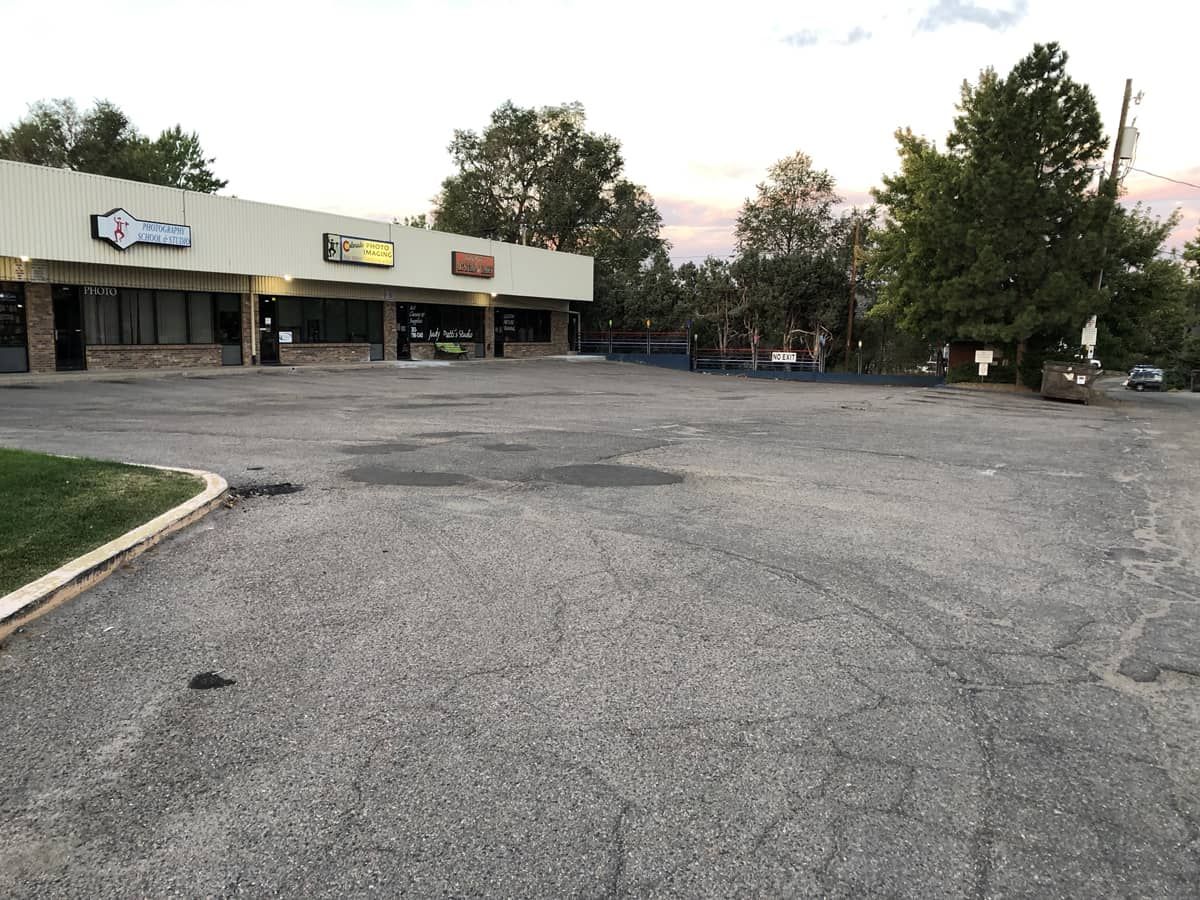
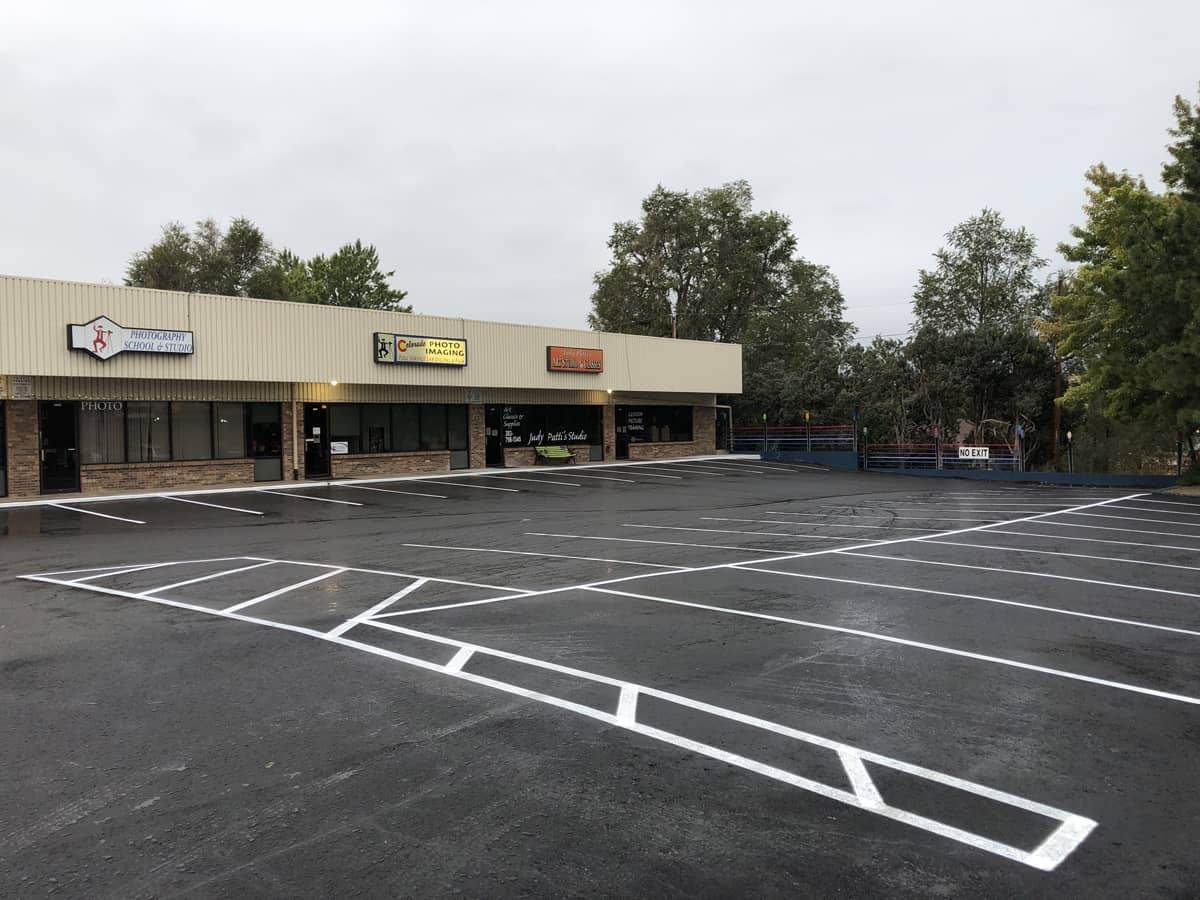
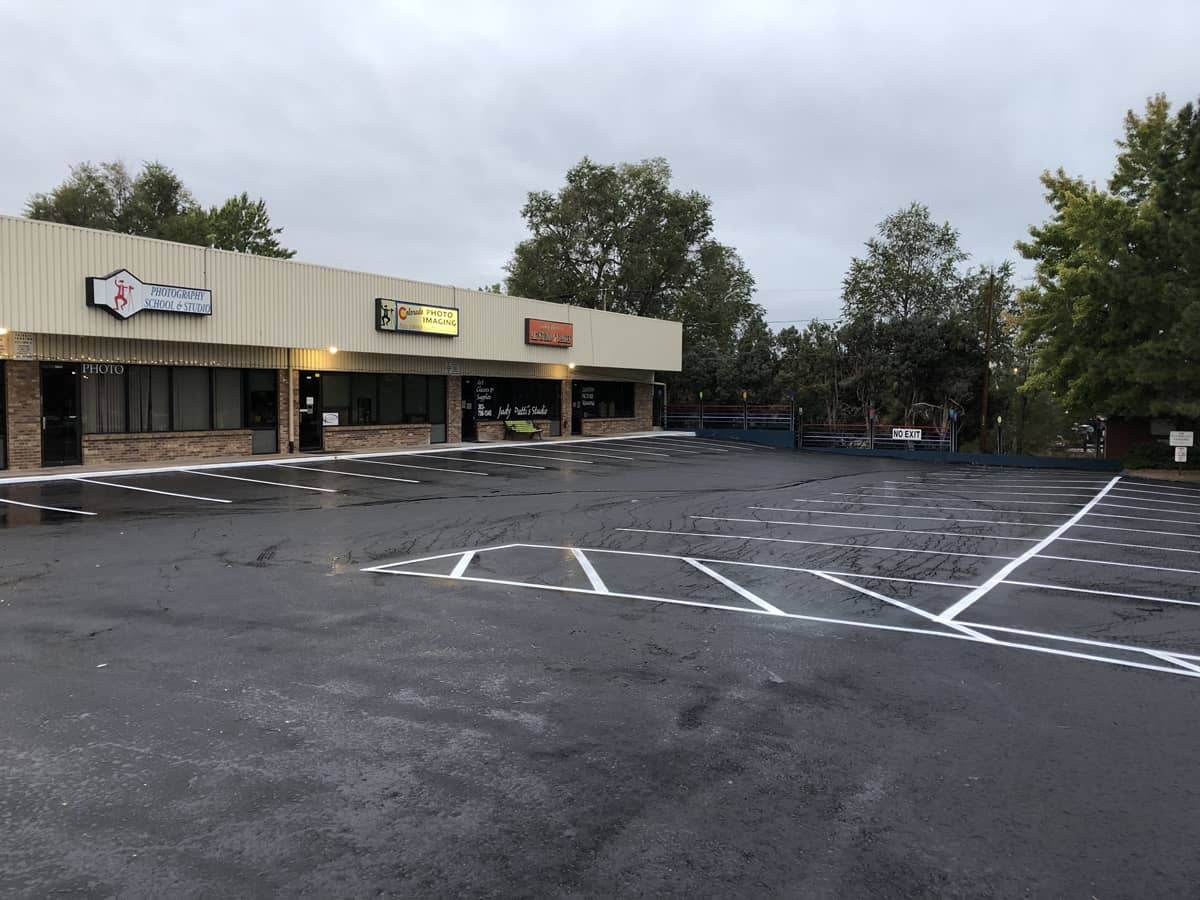
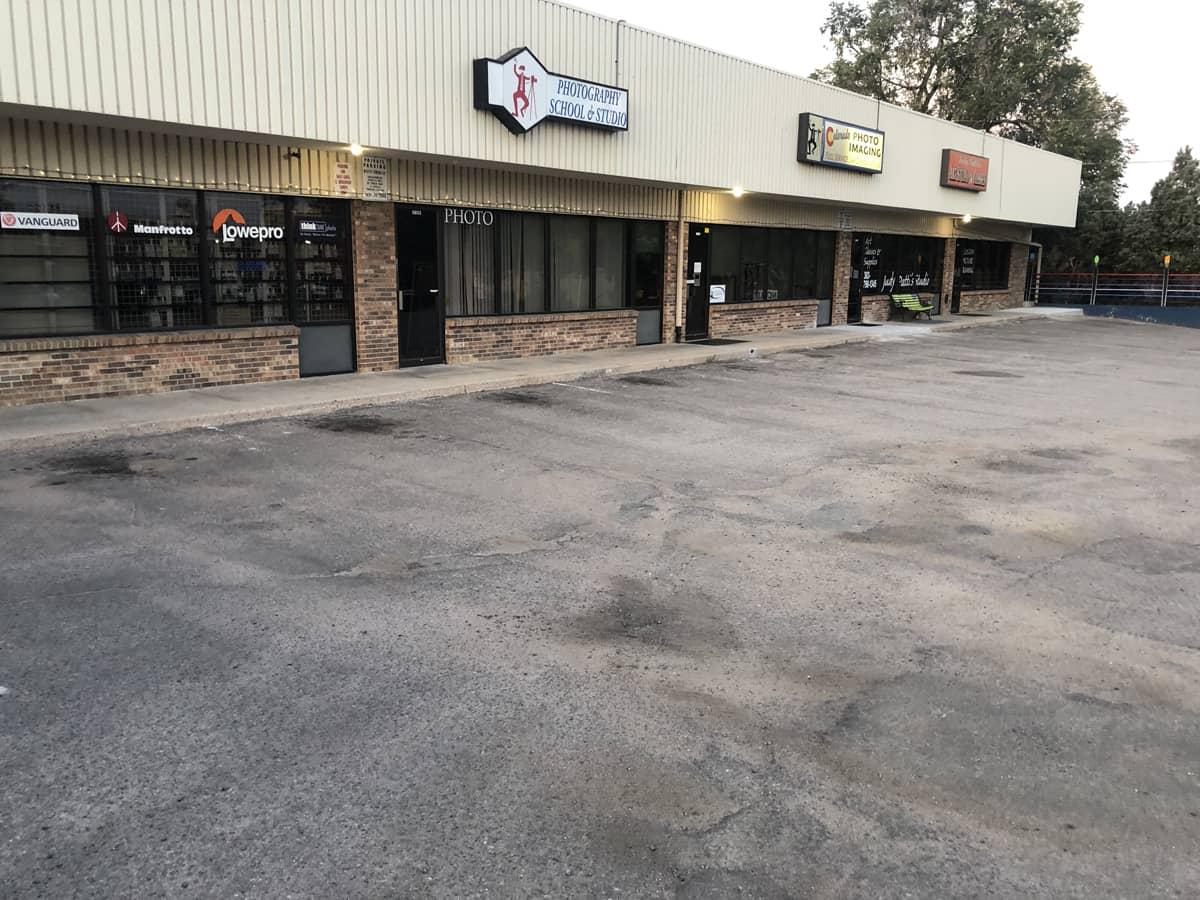
Small Parking Lot Paving – Littleton, CO

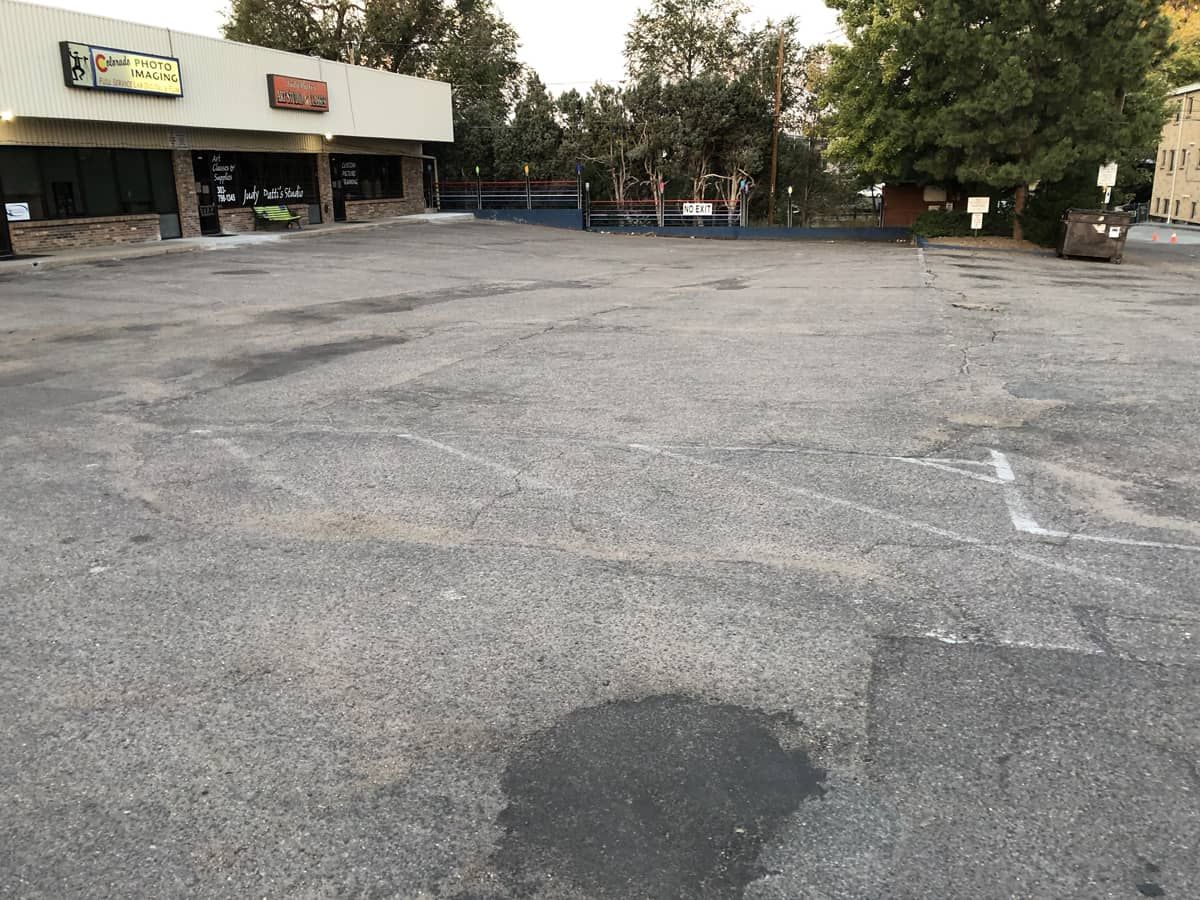
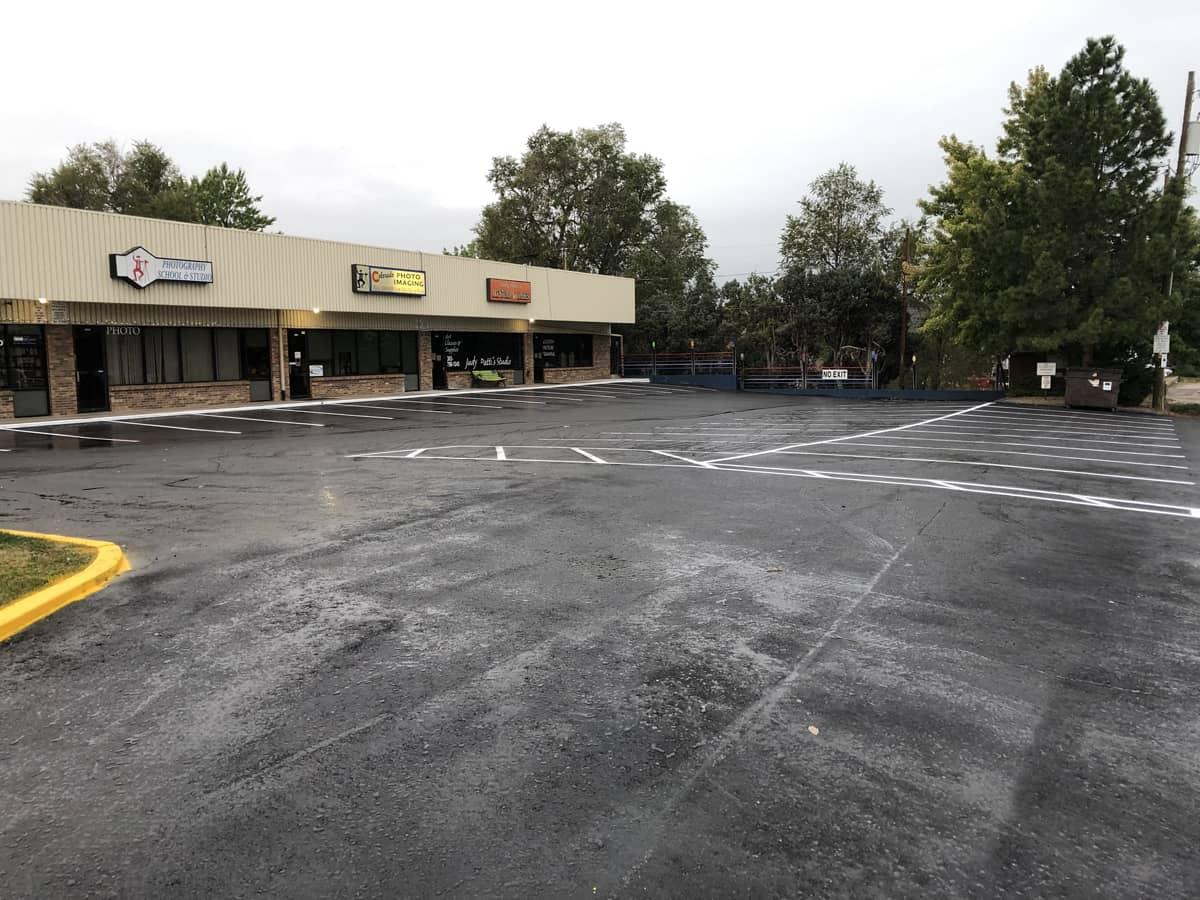
Here was a small parking lot in Littleton that was near the end of it’s useful life with potholing throughout the entire lot. The businesses operating on this property have elderly customers and the owner was concerned about trip hazards and the appearance of the lot. We filled all the potholes and then overlaid the entire lot with 2″ of fresh hot mix asphalt and restriped the lot to give it a nice new appearance. The useful life of this repair should range between 10-15 years. (we did not mill before our overlay, this was just a strict overlay).

Our team completed the following improvements:

  • Pothole Repair
  • Parking lot Overlay (No Milling)
  • Re-striping to reconfigure the lot for safe and efficient parking

Weld County Road 7 Mill and Overlay

Weld County Road 7 Mill and Overlay

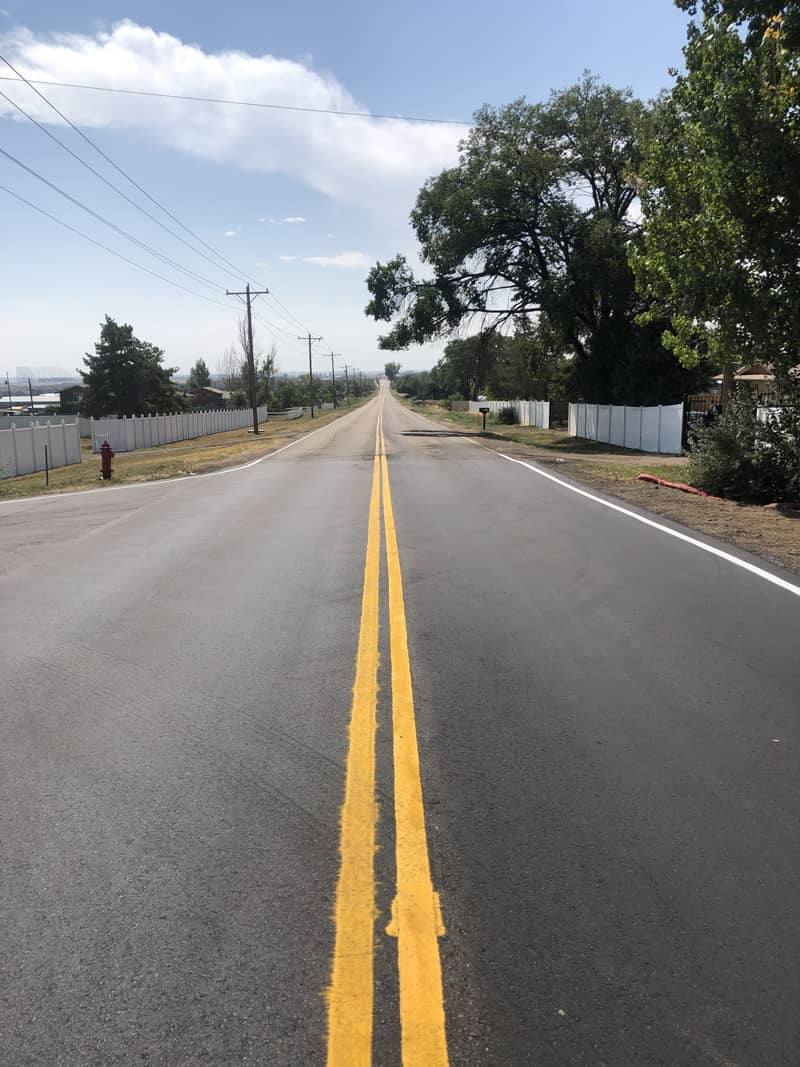
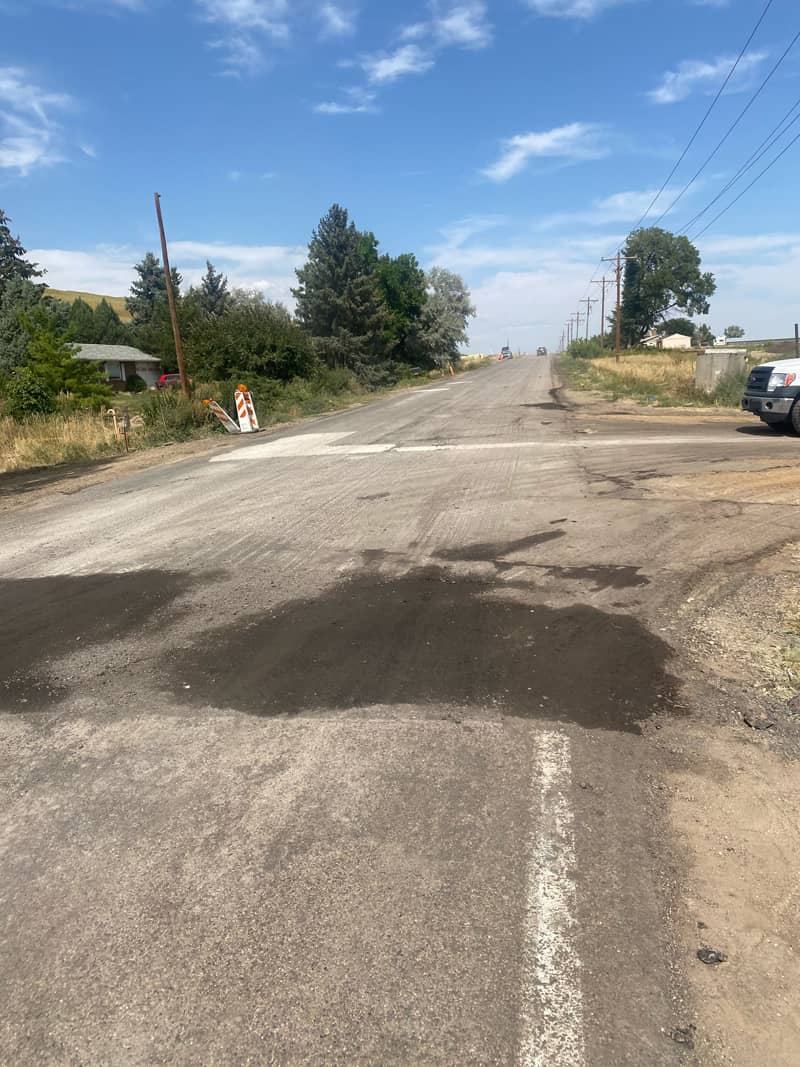
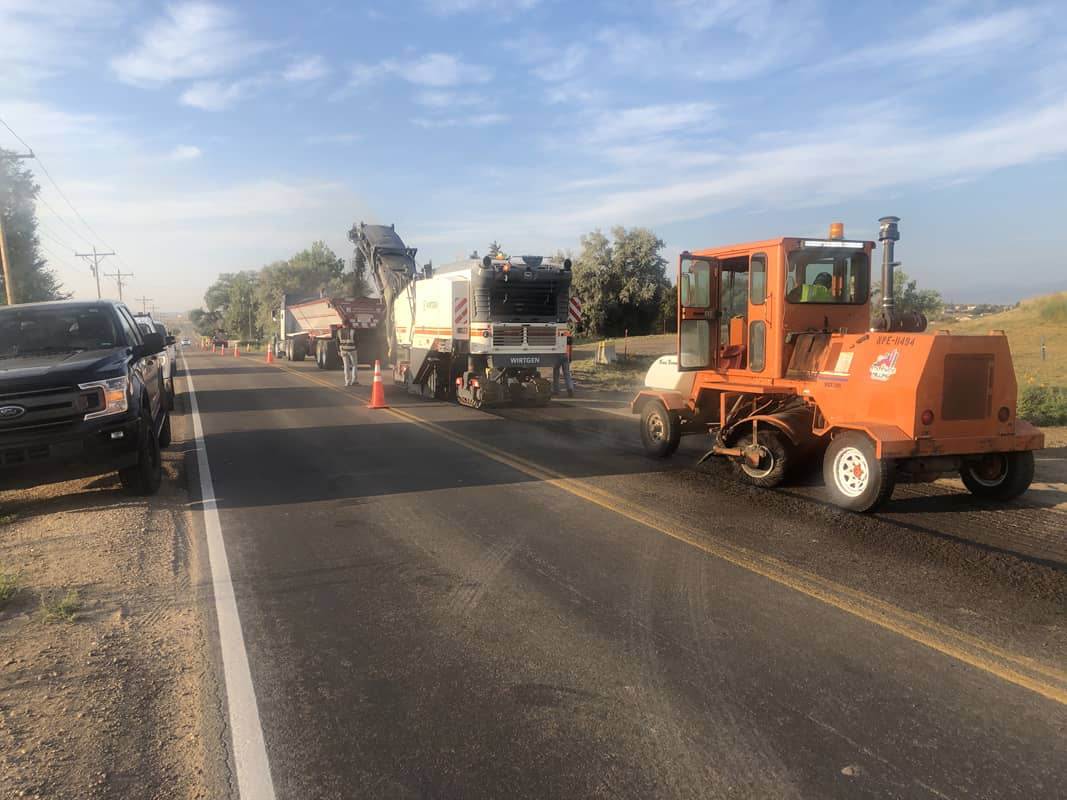
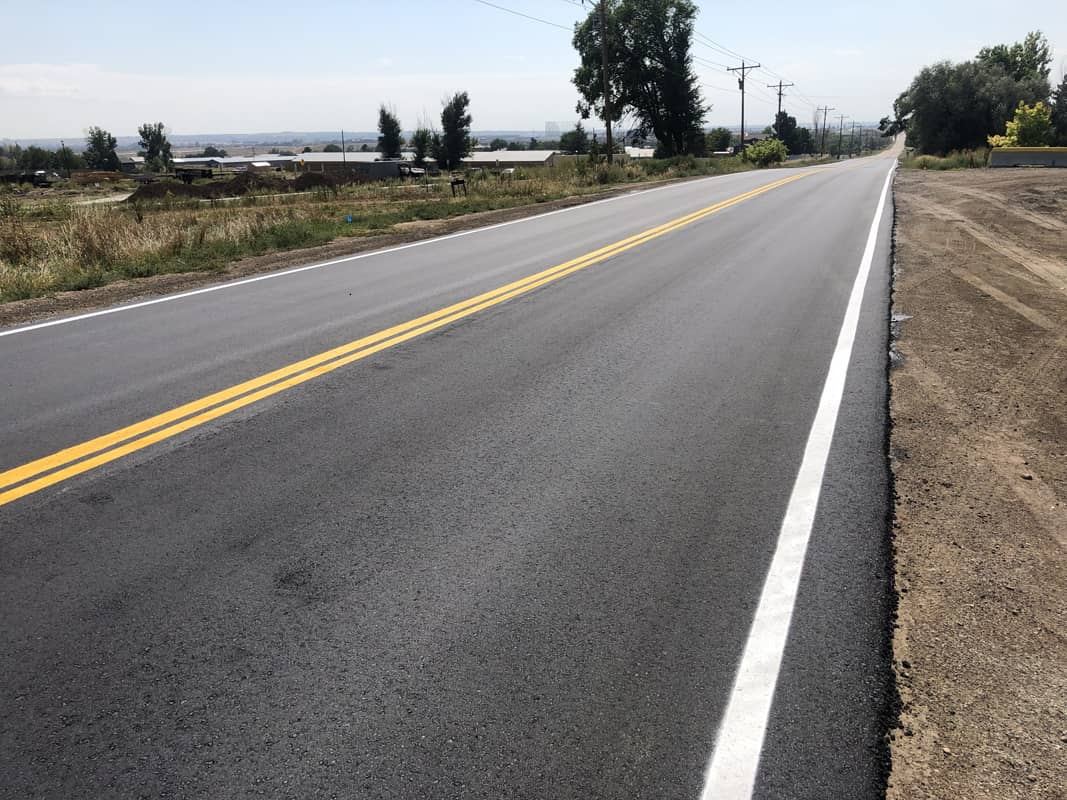
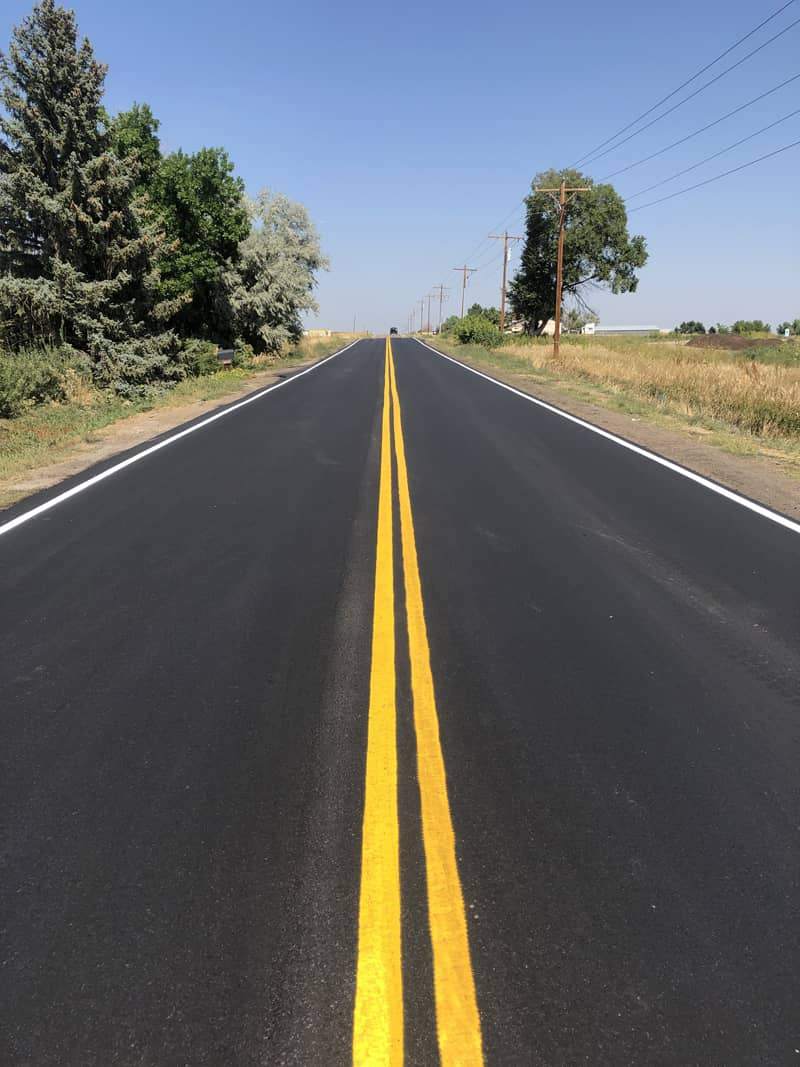
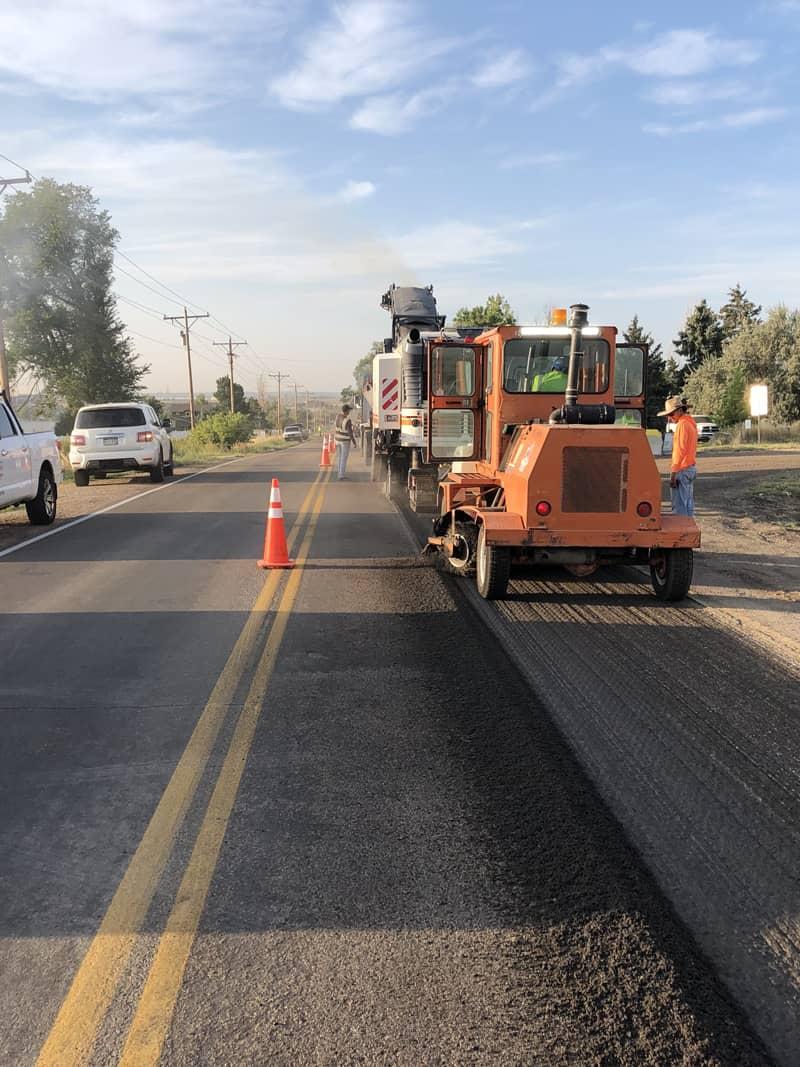
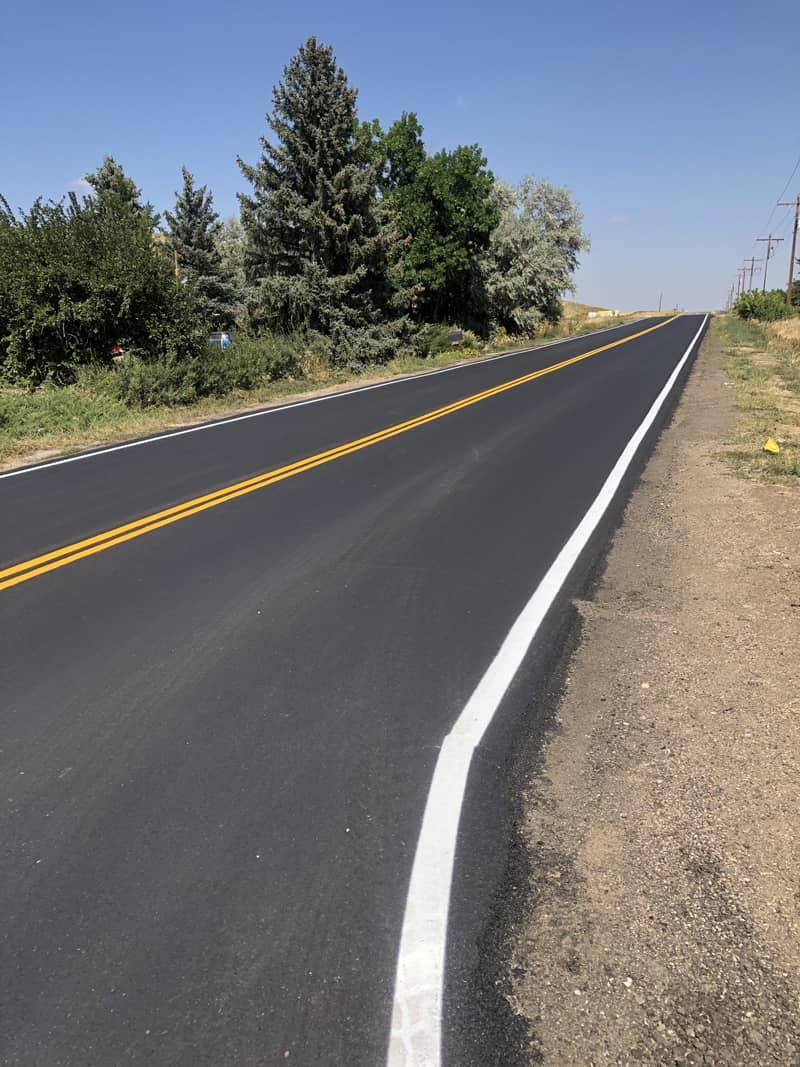
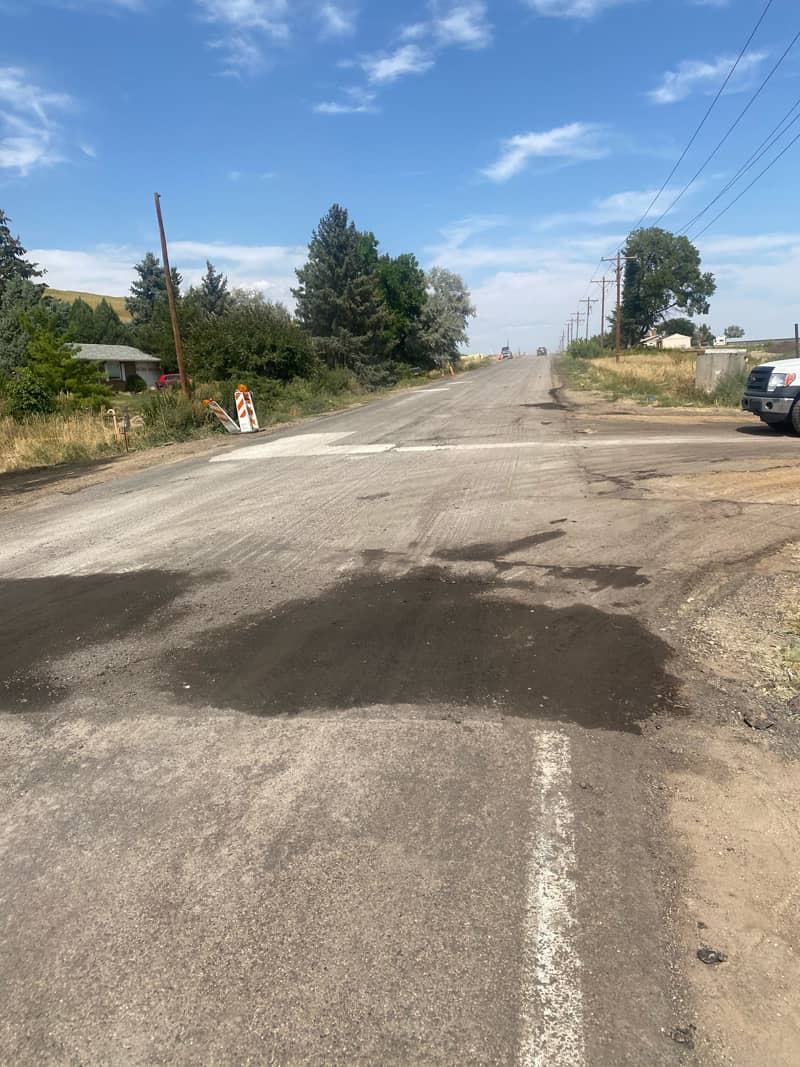
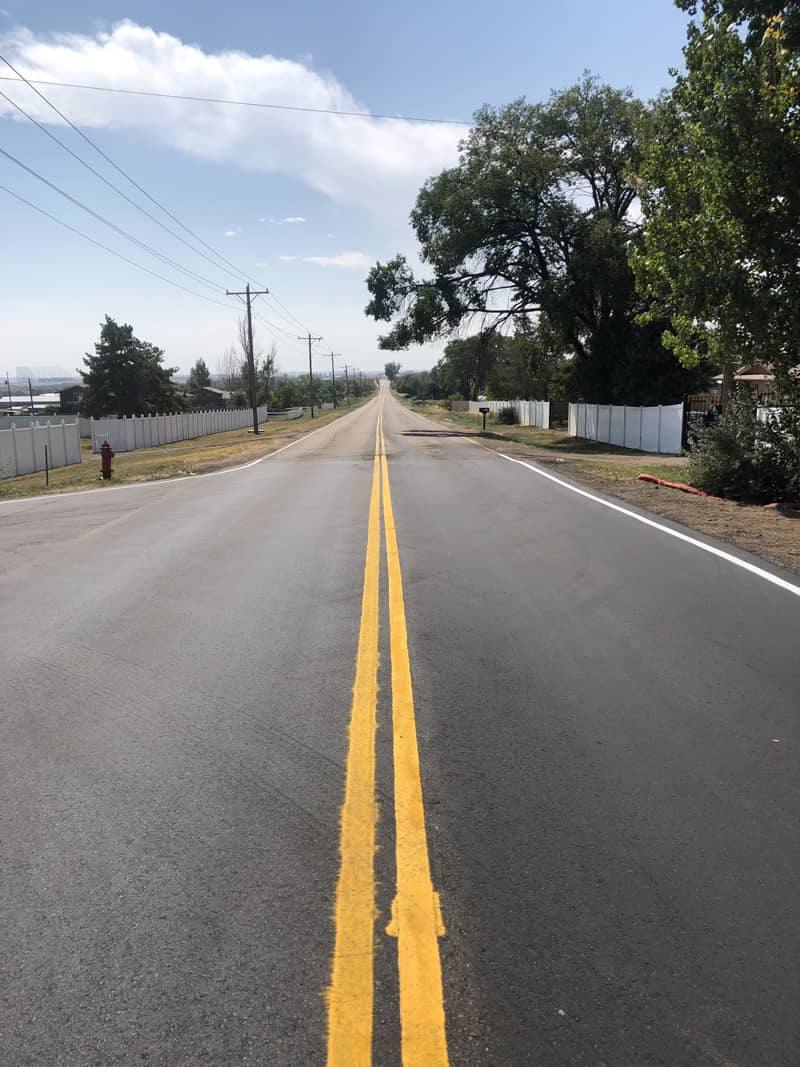
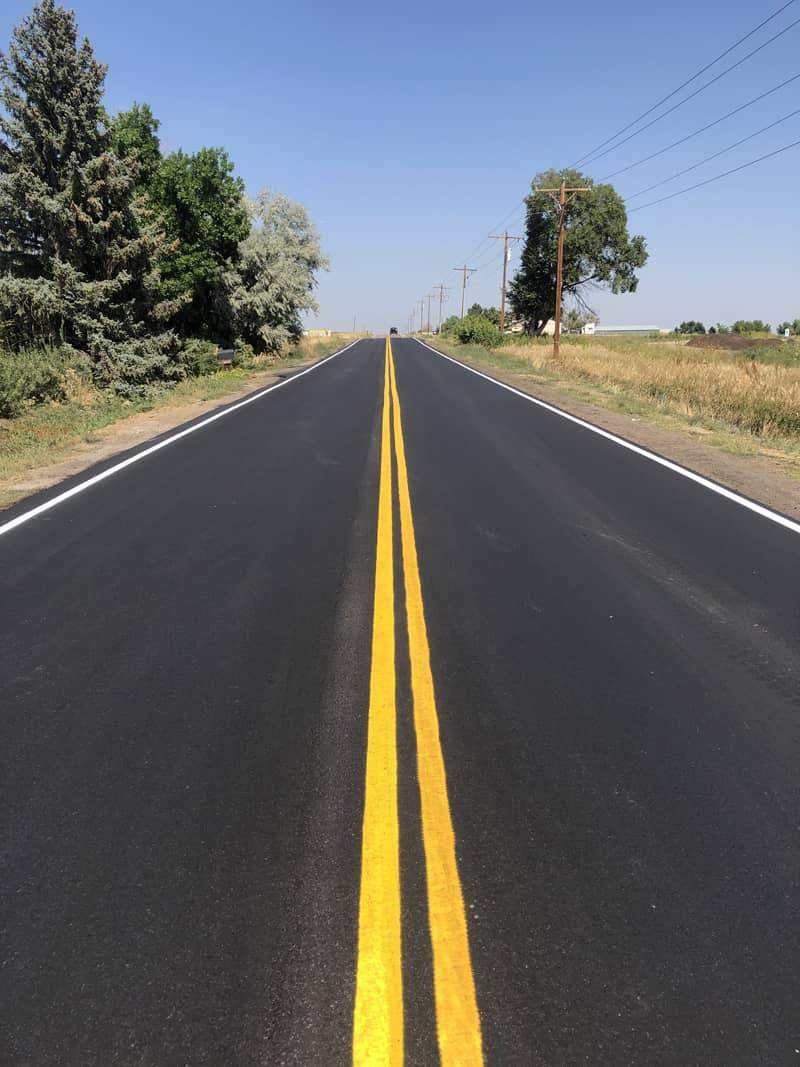
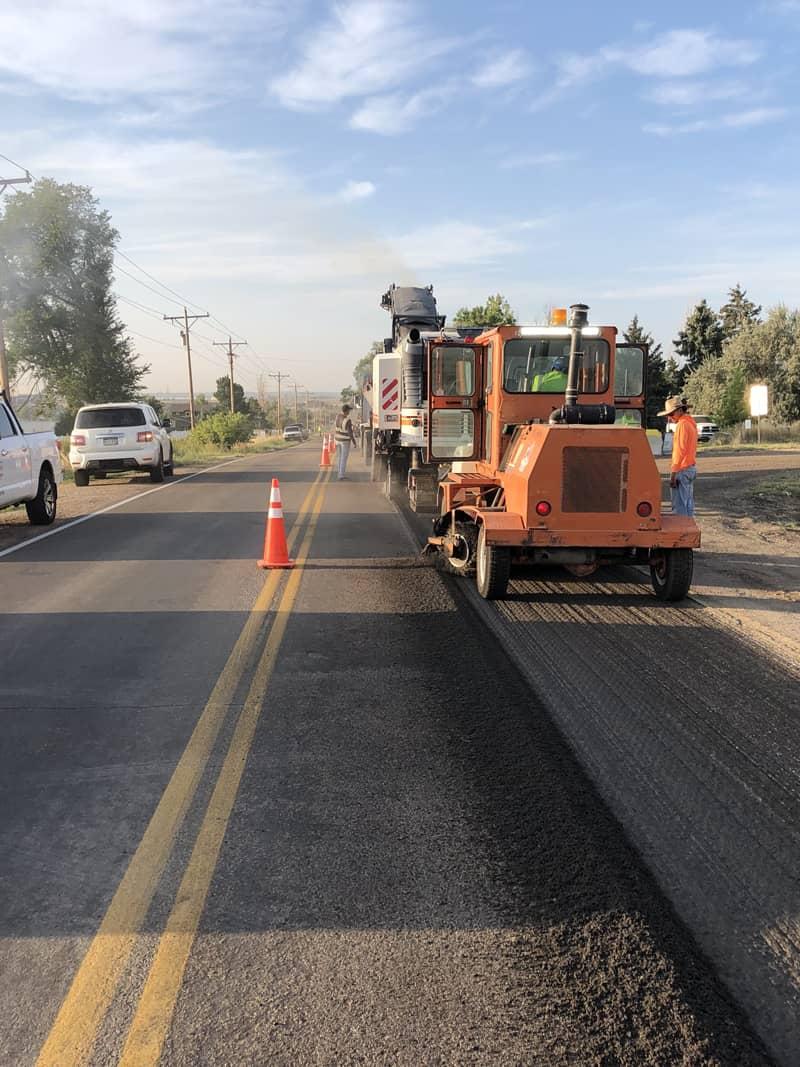
Here’s a Mill and Overlay project in Thornton completed by Colorado Pavement Solutions. This section of Weld County Road 7 had a lot of utility patches performed which gave the road a rough ride, so we milled 2-inches off and overlaid 2-inches of fresh asphalt. We did about 650 feet of length of this road in one day to minimize impact to the motoring public.

Our team completed the following improvements:

  • Milling of asphalt at a 2-inch depth
  • Overlay of 2-inches with fresh asphalt
  • Fresh striping of the newly installed asphalt
Request Estimate