Our Blog

Archive for Announcements – Page 4

Types of Decorative Concrete Design Techniques

Decorative concrete design is an innovative and creative approach to traditional concrete construction. With advancements in materials, techniques, and technology, concrete contractors in Denver can now offer a wide range of design options for residential and commercial properties. From stamped concrete to acid staining, numerous ways exist to enhance the appearance and durability of concrete surfaces.

In this article, we will explore some of the latest decorative concrete designs and techniques used by concrete companies in Denver.

Different Decorative Concrete Design Methods

Stamped Concrete

Stamped concrete is a popular decorative concrete design technique that involves creating patterns, textures, and shapes in fresh concrete to mimic the appearance of natural stones, bricks, or wood. Denver concrete contractors use rubber stamps to imprint the desired design on the concrete surface. The stamped concrete can then be coloured and sealed to enhance its appearance and protect it from weathering.

Acid Staining

Acid staining is another popular decorative concrete design technique used by pavement companies in Denver. Acid staining involves the application of a chemical compound that reacts with the minerals in the concrete to produce a mottled, stained appearance. The final result is a unique and natural-looking concrete surface that is durable and long-lasting.

Engraving

Engraving is a decorative concrete design technique that involves the use of a specialized cutting machine to carve intricate patterns, designs, and images into the concrete surface. This technique is often used for logos, signage, or other markings that need to be precise and highly visible.

Polished Concrete

Polished concrete is a decorative concrete design technique that involves grinding and polishing the concrete surface to a smooth, glossy finish. This technique is used to enhance the natural beauty of the concrete and make it easier to clean and maintain. Denver concrete contractors often use this technique in commercial and industrial settings where durability and low maintenance are critical.

Benefits of Decorative Concrete Design Techniques

Increased Aesthetic Appeal

One of the primary benefits of decorative concrete design techniques is increased aesthetic appeal. By incorporating unique patterns, textures, and colors into concrete surfaces, concrete contractors in Denver can transform dull and uninviting concrete into beautiful and eye-catching surfaces.

Durability and Longevity

Another benefit of decorative concrete design techniques is increased durability and longevity. Decorative concrete design techniques enhance the durability of concrete surfaces by improving their resistance to weathering, cracking, and staining. This makes decorative concrete a cost-effective solution for both residential and commercial properties.

Low Maintenance

Decorative concrete design techniques also offer low maintenance benefits. Many decorative concrete designs are designed to be low-maintenance and easy to clean, which makes them ideal for high-traffic areas where regular cleaning is necessary.

Final Thoughts

Decorative concrete design is an innovative and creative approach to traditional concrete construction. From stamped concrete to acid staining, numerous ways exist to enhance the appearance and durability of concrete surfaces. Concrete contractors in Denver are experienced in providing a wide range of decorative concrete design services to residential and commercial properties. Whether you’re looking to improve the look of your home or enhance the functionality of your business, decorative concrete design is an excellent option to consider

When it comes to decorative concrete design, you want to work with a Denver Concrete Company with the experience and expertise to bring your vision to life. Colorado Pavement Solutions is a trusted concrete contractor in Denver with a proven track record of delivering exceptional decorative concrete solutions.

Our team of professionals has extensive experience in the decorative concrete design industry, ensuring that we have the expertise to bring your project to life. Whether you’re looking for stamped concrete, acid staining, engraving, or polished concrete, we have the knowledge and skills to deliver high-quality results.

Frequently Asked Questions

Q1: What are some popular decorative concrete design techniques used by concrete contractors in Denver?

Stamped concrete, acid staining, engraving, and polished concrete are some of the popular decorative concrete design techniques used by concrete contractors in Denver.

Q2: How can decorative concrete design techniques enhance the appearance of concrete surfaces?

Decorative concrete design techniques can enhance the appearance of concrete surfaces by incorporating unique patterns, textures, and colors. This transforms dull and uninviting concrete into beautiful and eye-catching surfaces that can increase any property’s overall value and aesthetic appeal. Decorative concrete design techniques allow property owners to customize the look and feel of their concrete surfaces, making them a great choice for anyone looking to make a statement with their design choices. Additionally, decorative concrete is often more durable and low-maintenance than traditional concrete surfaces, making it a cost-effective solution for homeowners and businesses.

Q3: What are the benefits of using decorative concrete design techniques in construction projects?

The benefits of using decorative concrete design techniques include increased aesthetic appeal, durability and longevity, and low maintenance. These techniques can also provide cost-effective solutions for both residential and commercial properties, making decorative concrete a popular choice for many construction projects.

How Long Does Mill and Overlay Last?

How Long Does Mill and Overlay Last?

Deciding on a building material for your driveway, sidewalk, or private road isn’t anyone’s favorite chore – but you do have several great options. There are many types of paving from cheap gravel to complex and high-end concrete forms, so how you decide which is best for you and how long should it last?

One of the more popular types of paving in Colorado is an asphalt mill and overlay. Mill and overlays are popular for their affordability, pleasing appearance, and more – but how long does mill and overlay last? Let’s learn more about mill and overlay including what it is, what jobs it’s suitable for, what type of budget you need, and how long it lasts.

What is Mill and Overlay?

Though it’s a common paving option, most homeowners only know about new concrete or asphalt – so what is mill and overlay? Mill and overlay is the process of removing the top layer of asphalt (milling) and overlaying a fresh layer of asphalt onto the previous base.

Asphalt contractors use a milling machine to remove anywhere from an inch and a half to two inches of the top layer of asphalt, make any necessary drainage or structural corrections, then use specifically formulated asphalt to add a beautiful new topcoat. On average mill and overlay is much less expensive per square foot than asphalt replacement.

You can only use mill and overlay for asphalt surfaces that have a structurally sound base. You cannot mill and overlay concrete.

Mill and Overlay Usable Life

Did you know there are two distinct types of asphalt? Asphalt paving projects utilize hot-mix asphalt, so it is not ideal to pave in the winter. Hot-mix asphalt must remain hot to compact and perform properly. If the ambient and ground temperatures are too low, they will chill the hot-mix asphalt while it is in transport from the production plant to your property. This is not good. The other type of asphalt is cold-mix asphalt. This product is engineered to perform in almost any temperature, so it can be installed in the summer or the winter. Cold-mix cannot be paved, so it will not work for replacing an entire driveway; however, it can be used to repair potholes.

Factors in Mill and Overlay Lifespan

  • Temperature Extremes – Both extreme heat and cold will affect mill and overlay jobs though extreme cold and frost cycles are more likely to damage your asphalt than warmer temperatures. The colder your area gets, the shorter its lifespan will be.
  • Traffic – Mill and overlay driveways can support heavy vehicles but the more use your mill and overlay, the quicker it will get damaged or wear out.
  • Quality of Work – Choose an established contractor over a fly-by-night paver. The quality of work can make a big difference on your mill and overlay’s lifespan.
  • Other Elements – Wind, harsh sunlight, and other extreme elements will wear down your asphalt sooner than more ideal conditions. Unfortunately, most Colorado residents experience mile-high UV damage, bitter winds, and other enemies.

7 Reasons to Choose a Mill and Overlay

  • Affordable – Because you’re leaving the previous base in place, mill and overlay is less expensive than full asphalt replacement.
  • Can Make Corrections – If your asphalt has drainage or other issues a concrete contractor can adjust during the mill and overlay process for a more efficient system. This includes leveling the new asphalt for a better drainage path or adding specialized drainage before replacing the top layer.
  • Forget About Repairs – Spot repairs are more affordable than a mill and overlay but they’re not fun to schedule and will only provide a temporary hold. Instead of getting caught in a repair cycle, try mill and overlay.
  • Looks Great – A new mill and overlay isn’t a complete asphalt replacement but you can expect the same great looks as if it were. Homeowners only see the top layer of asphalt. That top layer is replaced during mill and overlay, leaving you with a much more beautiful blacktop than before.
  • Stronger – A new mill and overlay is much stronger than asphalt that’s reached the end of its usable life. With a new mill and overlay you don’t have to worry as much about repairs or accidentally harming your asphalt.
  • Increase Property Value – A new, shining blacktop will do much more for your home value than a dingy and cracking driveway. A mill and overlay might cost you anywhere from a few hundred to a few thousand dollars, but you can pass that on if you’re listing the home.
  • Easier than Replacement – Mill and overlay is less expensive than replacement but it’s also easier on your peace of mind. Because they don’t remove the base, mill and overlay takes less time than a full replacement.

7 Signs You Need a Mill and Overlay

If your asphalt is showing any of these signs it’s time to talk to a certified asphalt contractor about mill and overlay:

  • Asphalt chipping
  • Large and deep cracks
  • Numerous small cracks
  • Large potholes
  • Numerous pockmarks
  • Faded color
  • Widespread oil staining

How Much Does Mill and Overlay Cost?

The overall cost of a mill and overlay job depends on many factors like square footage, terrain, and drainage needs but there are some basic numbers available to Colorado homeowners.

The average cost of a mill and overlay will is usually $160 -330 per 100 square feet depending on many factors such as the size of the job, location, the current condition of the asphalt, and general site conditions. A four-inch removal and replacement can cost from $380 to $680 per 100 square feet. Project costs will vary depending on size, the difficulty of the mill, type of overlay, and much more. By meeting with an asphalt contractor, you’ll better be able to determine what type of costs your driveway or private road will cost and if it works for your budget.

Considering asphalt replacement averages $50 to $100 per 100 square feet, mill and overlay is clearly the more affordable option.

Colorado Pavement Solutions for your Mill and Overlay Needs

If you need an affordable and easy solution that can take care of your asphalt needs, it’s time to schedule a mill and overlay estimate and inspection. When you meet with a professional paving contractor you can look at the entire project, help decide if mill and overlay is best for your needs and budget and get on the schedule.

You have several paving options but if mill and overlay match your needs, contact Colorado Pavement Solutions. Colorado Pavement Solutions knows how to get the most out of mill and overlay jobs and can get you fixed up without breaking the bank. Don’t wait while your asphalt gets worse – call Colorado Pavement Solutions with further questions or to schedule service today.

What is Mill and Overlay?

What is Mill and Overlay?

The modern world walks on pavement. Whether it’s roads, driveways, sidewalks, or parking lots – pavement makes up hundreds of thousands of acres across the country. Because our world is filled with pavement, there are several options for different budgets and benefits.

Paving can get expensive which means value is normally a top priority. If you’re considering different options for pavement and are on a budget, you should consider mill and overlay. To help you learn more about mill and overlay let’s detail what it is, why it’s beneficial, and good candidates for mill and overlay.

With the right conditions, a mill and overlay can give you a beautiful new driveway or parking lot at a fraction of the cost of removing and replacing.

More About Mill and Overlay

Mill and overlay is the paving process of removing the top few inches of an existing asphalt lot (milling) then putting on a fresh new coat of asphalt (overlay.) Mill and overlay is also known as mill and fill.

The Full Mill and Overlay Process

  • Inspection – Before you begin your asphalt will need to be inspected to determine if it’s a good candidate for mill and overlay. This means the base structure of your asphalt must be in good condition. If the inspection determines the base has been compromised, you may need to switch to remove and replace.
  • Site Preparation – Asphalt contractors prepare the site by removing any debris on the old asphalt. Contractors want a uniform surface for milling. During site preparation workers can adjust drainage and slope to fix previous problems.
  • Milling – The milling machine comes through to grind and remove the top layer of asphalt. Depending on the job this could be anywhere from a half inch to 6 inches of old asphalt. The base will be left intact.
  • Cleaning – Workers inspect the milled area for debris or abnormalities.
  • Tacking – Tack oil is applied to provide a “sticky” surface for the new asphalt.
  • Mixing – Hot mix asphalt is prepared for the overlay. The hot mix asphalt normally comes from the asphalt plant but can be mixed onsite.
  • Overlay – The hot mix asphalt is fed into the paving machine which evenly distributes new asphalt across the new surface.
  • Rolling – After the fresh asphalt is laid, paving contractors use heavy rollers to give the asphalt an even and uniform appearance.
  • Drying – Asphalt dries quickly. Your new mill and overlay should be ready for foot traffic in only a few hours and ready for vehicles within 24 hours. Your asphalt contractor can make approximate dry times depending on your job and current conditions.

Benefits of Mill and Overlay

  • Economical– Mill and overlay use much less material and labor than a full asphalt remove and replace so it’s naturally more cost effective. Asphalt isn’t very expensive but the less you use the more will stay in your wallet.
  • Easy – Removing and replacing an asphalt structure can take days or weeks but a mill and overlay is a much quicker process. Because they’re not removing and replacing the base layer the job goes much faster allowing you to open your lot or park back in your driveway sooner than later.
  • Looks Great – A fresh new coat of asphalt will look great on your property. You never see the base layer so neighbors will think you got a whole new sidewalk or driveway.
  • Strengthen – A new top layer of asphalt is more sound than crumbling and decaying asphalt. Old brittle asphalt can allow water to penetrate your base and cause structural issues but a fresh new layer every few years will keep your asphalt strong.
  • Better for Environment – The asphalt that’s milled from your driveway will be recycled into fresh asphalt for someone else. Your fresh layer will contain someone else’s old asphalt. Mill and overlay uses mostly recycled material and less greenhouse gasses than a remove and replace.

Who is a Mill and Overlay Good For?

A mill and overlay is appropriate when the base layer of the asphalt is structurally sound. Any large-scale cracking to the base or widespread damage throughout the asphalt is not good for a mill and overlay.

Mild to moderate damage like spiderweb cracks, staining, and pockmarks will not affect the quality of a mill and overlay. A certified asphalt contractor will need to approve your asphalt for mill and overlay.

Learning More About Mill and Overlay

Mil and overlay is a great option for those who want to save money and have a strong base on their current asphalt. If you think mill and overlay is right for you call the experts at Colorado Pavement Solutions today. We can inspect your asphalt, let you know if mill and overlay is a good option, then get you a free quote. Don’t wait for your asphalt to go downhill – contact CPS today.

Small Parking Lot Overlay – Littleton, CO

Small Parking Lot Paving – Littleton, CO

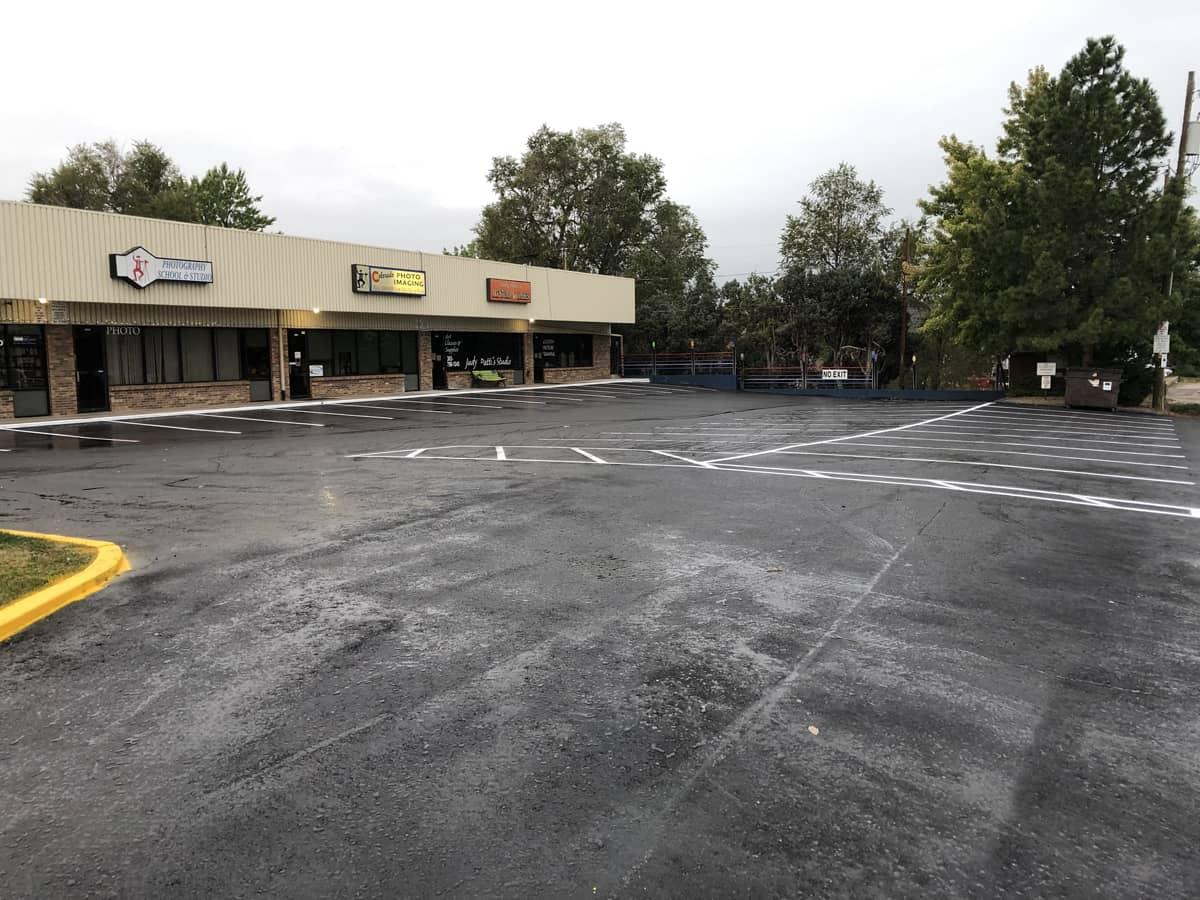
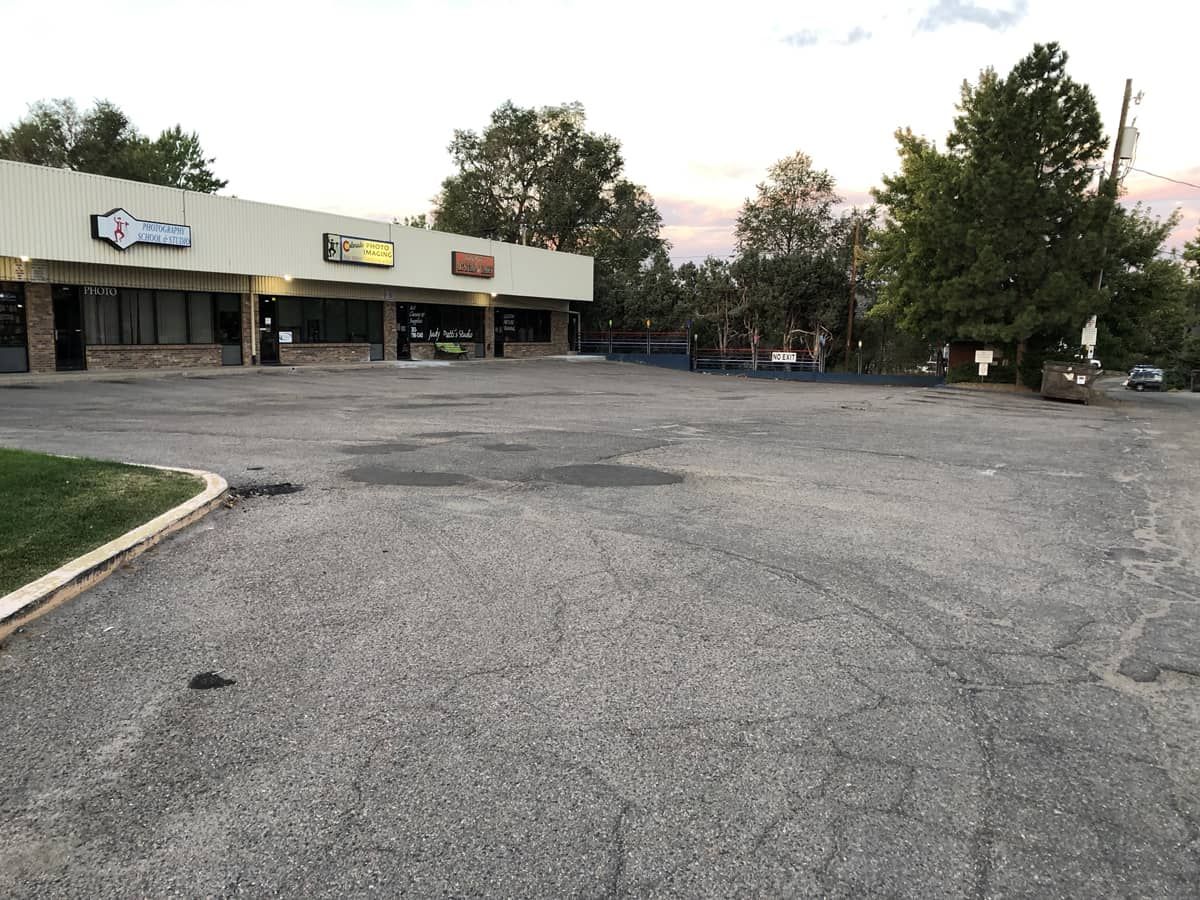
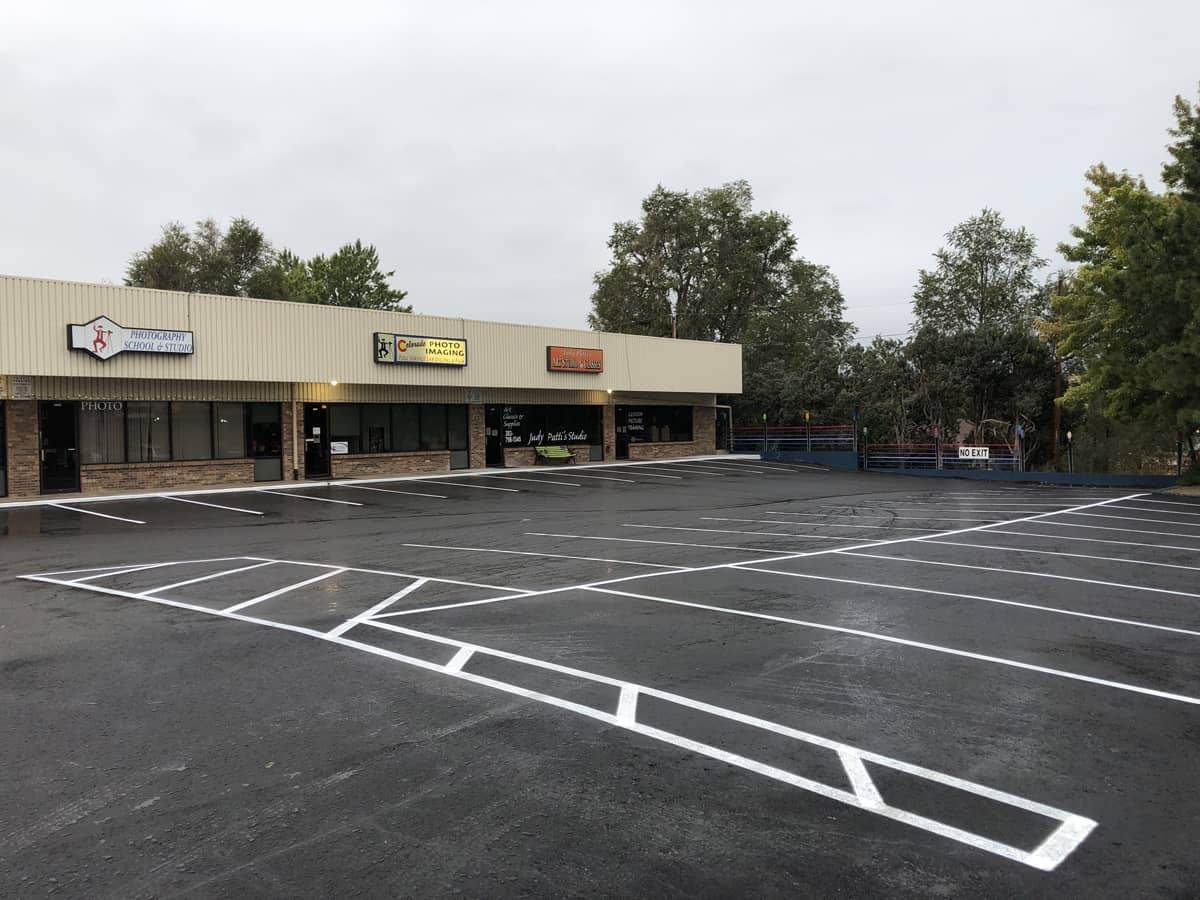
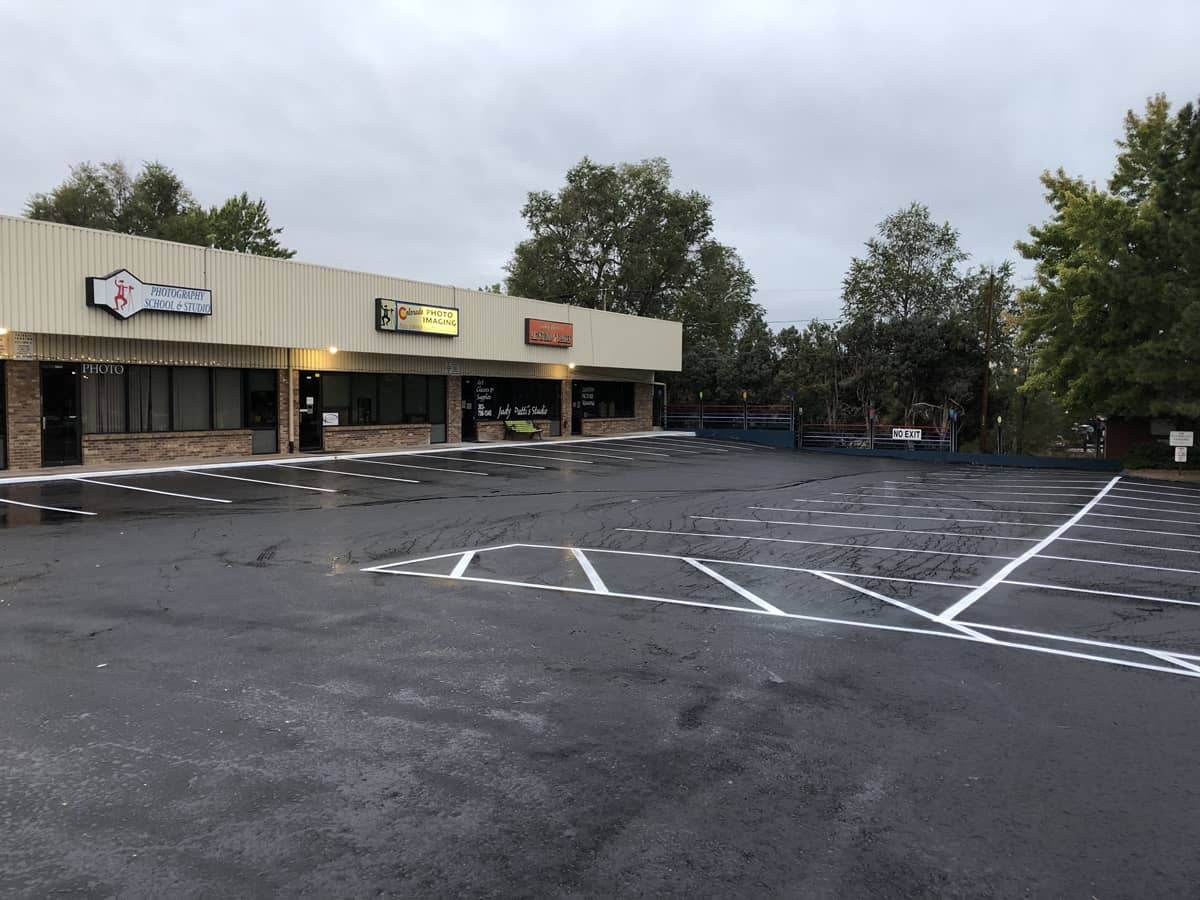
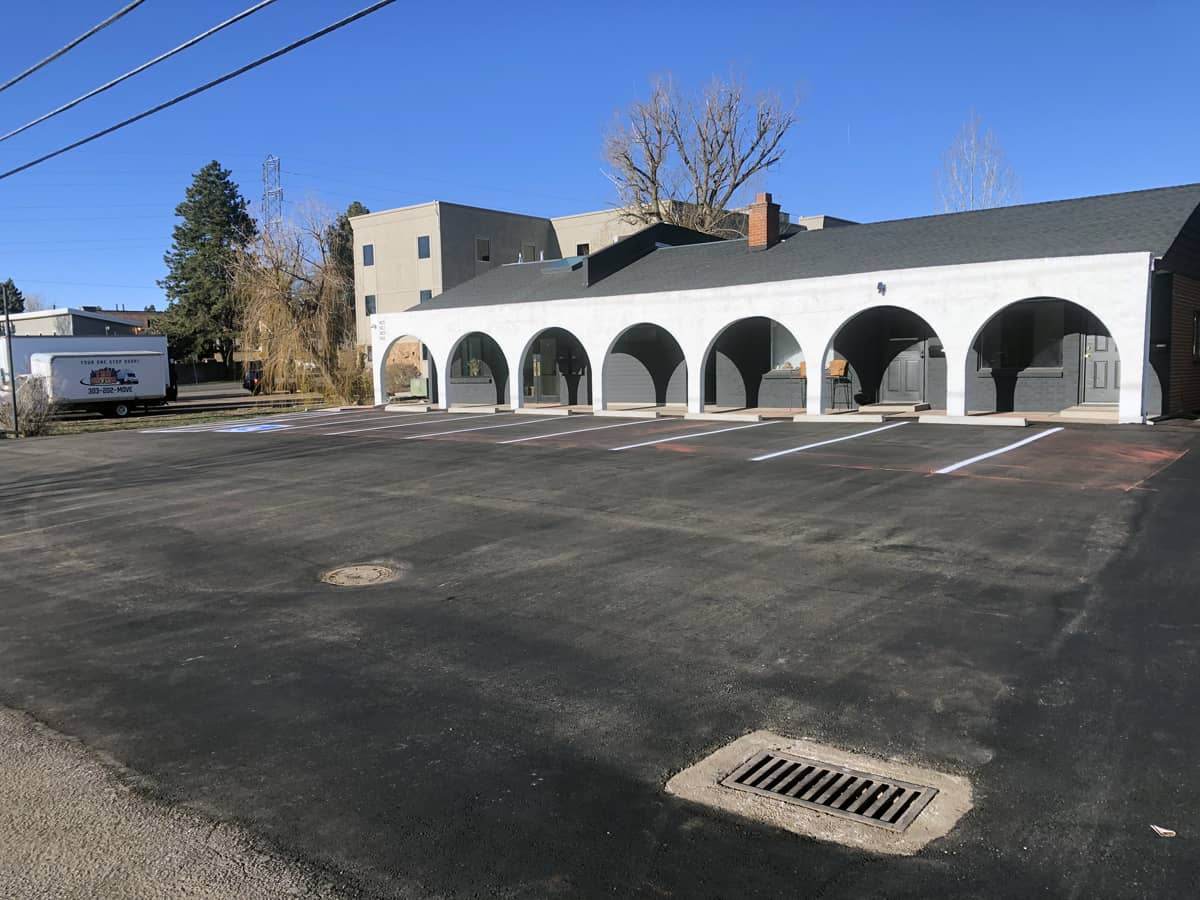
Here was a small parking lot in Littleton that was near the end of it’s useful life with potholing throughout the entire lot. The businesses operating on this property have elderly customers and the owner was concerned about trip hazards and the appearance of the lot. We filled all the potholes and then overlaid the entire lot with 2″ of fresh hot mix asphalt and restriped the lot to give it a nice new appearance. The useful life of this repair should range between 10-15 years. (we did not mill before our overlay, this was just a strict overlay).

Our team completed the following improvements:

  • Pothole Repair
  • Parking lot Overlay (No Milling)
  • Re-striping to reconfigure the lot for safe and efficient parking

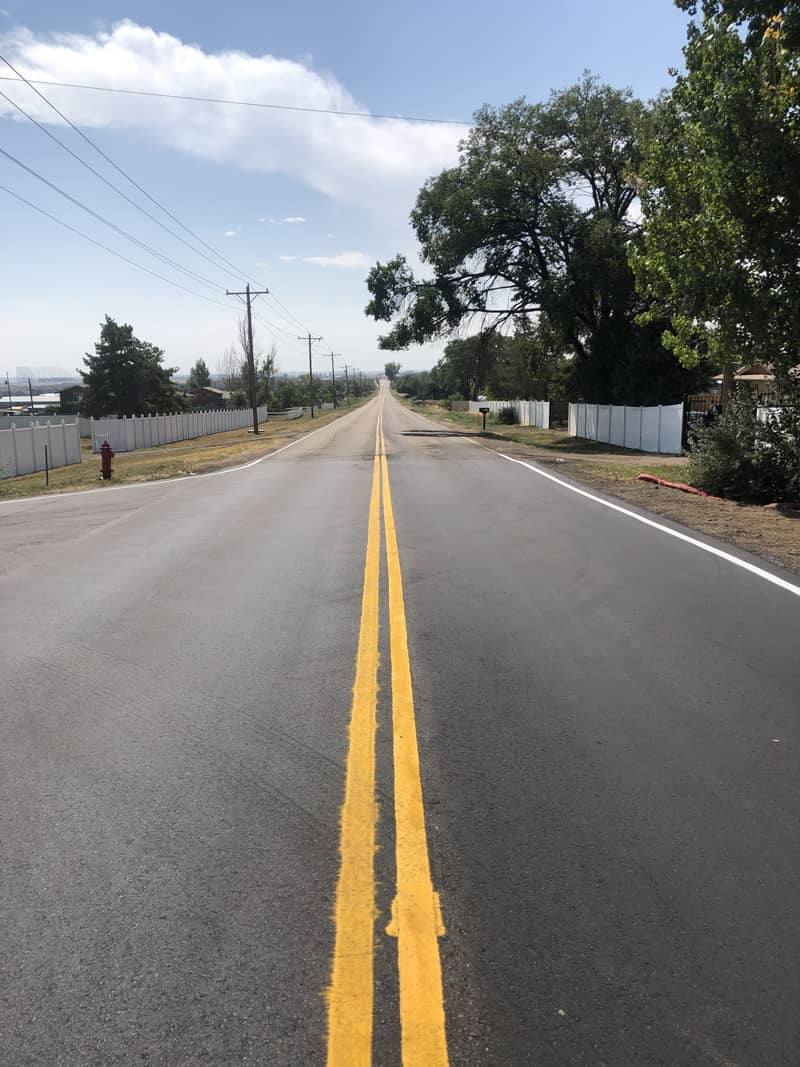
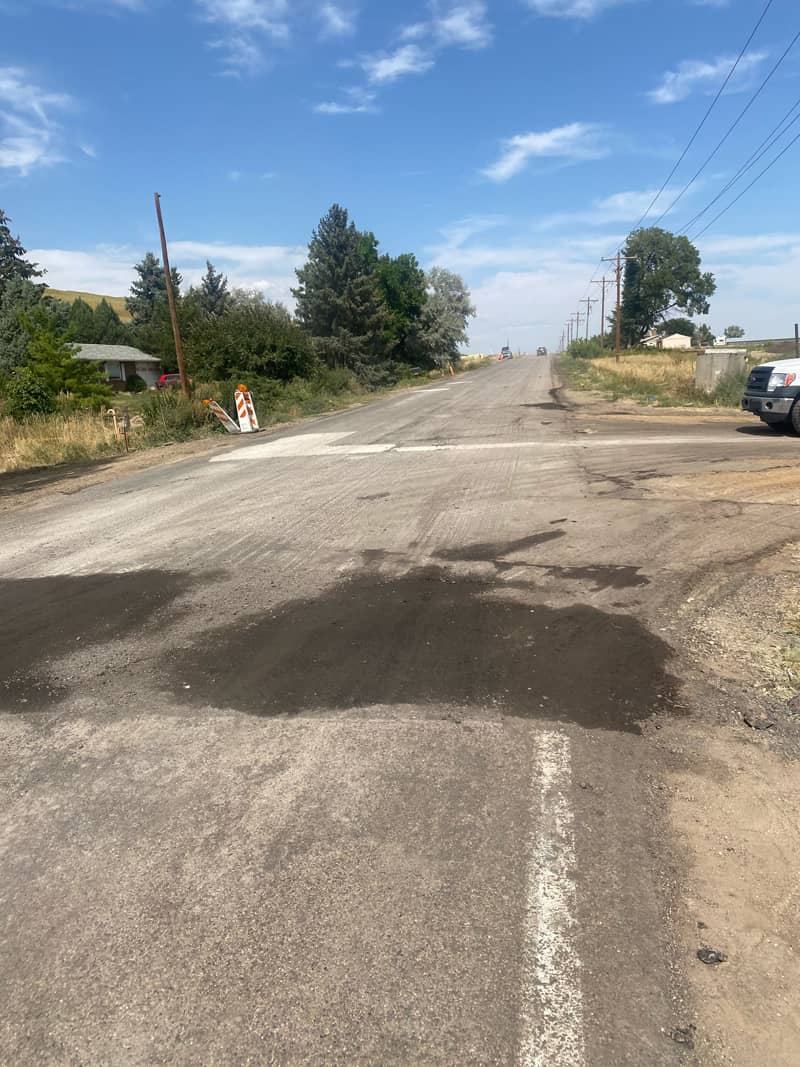
Weld County Road 7 Mill and Overlay

Weld County Road 7 Mill and Overlay

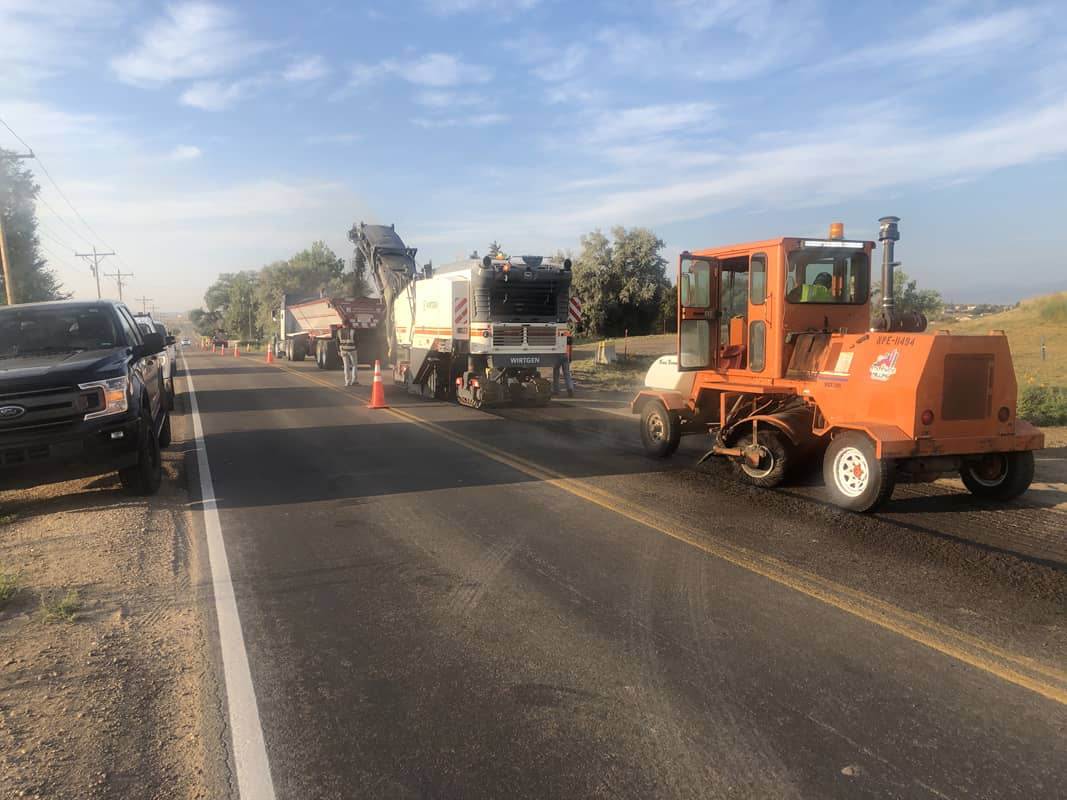
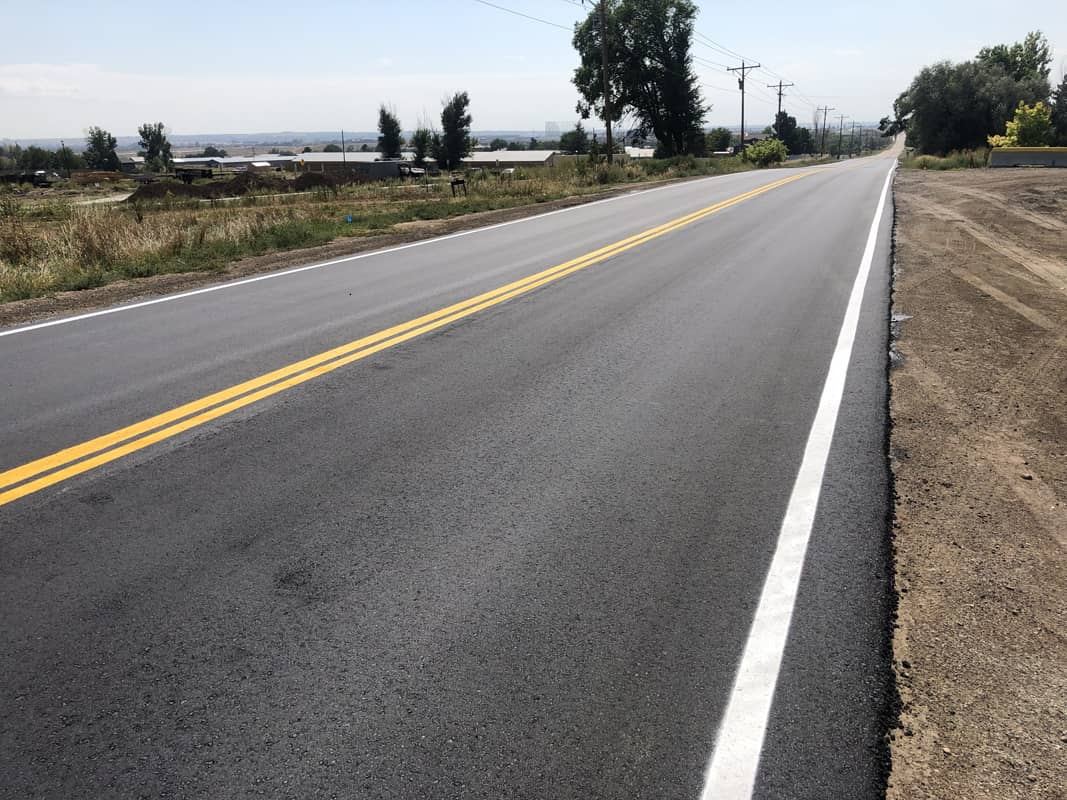
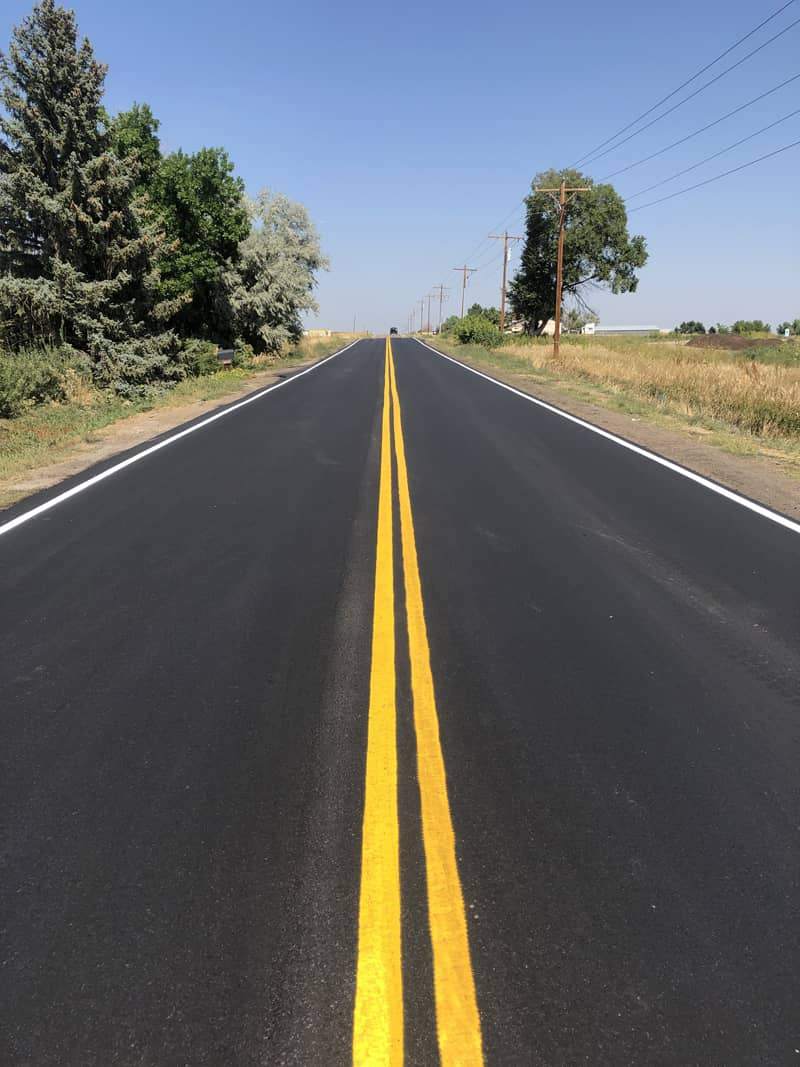
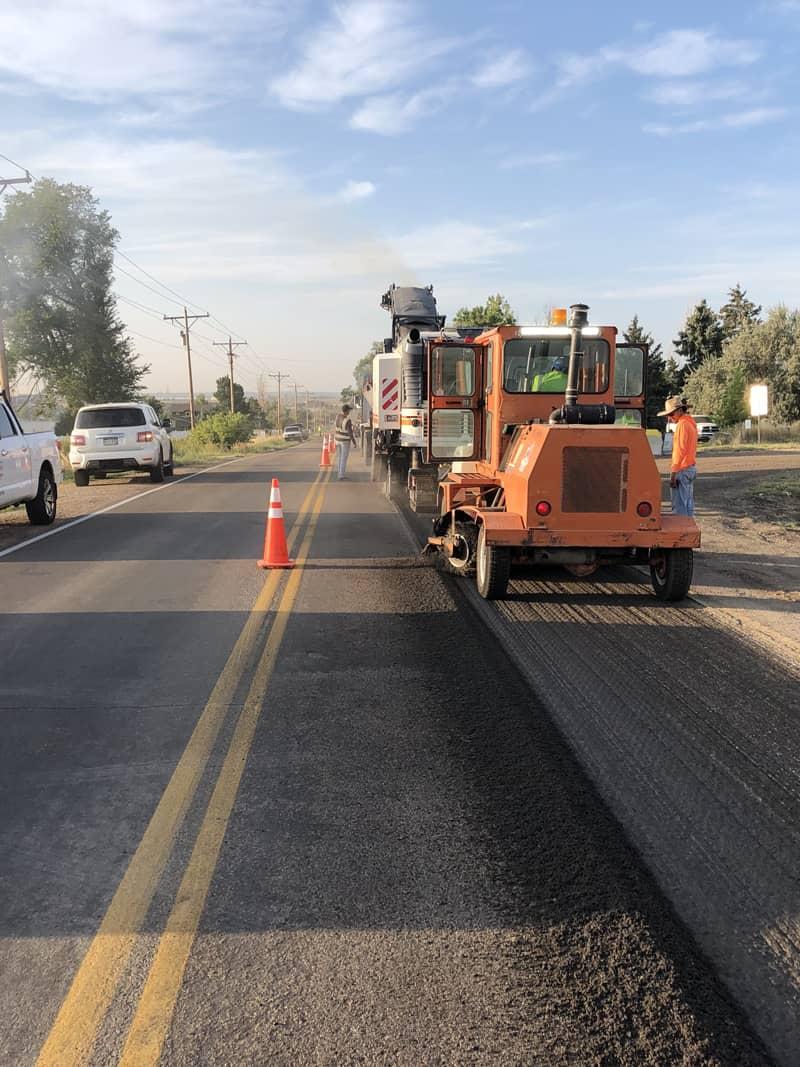
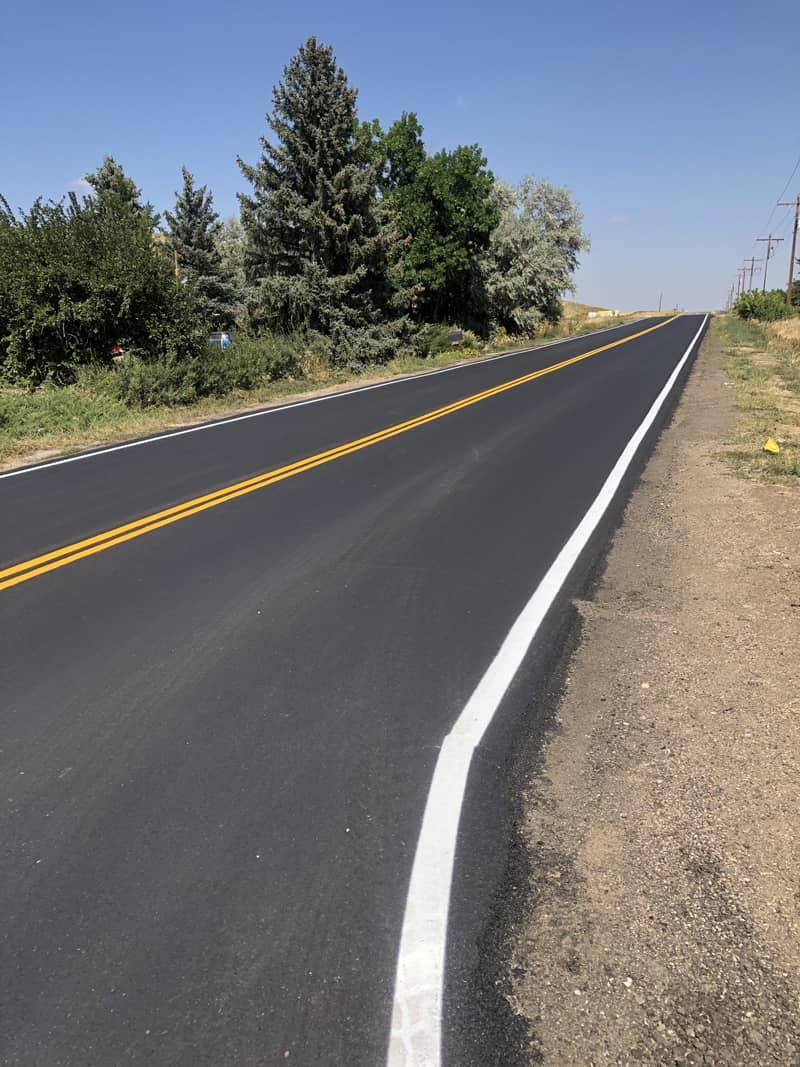
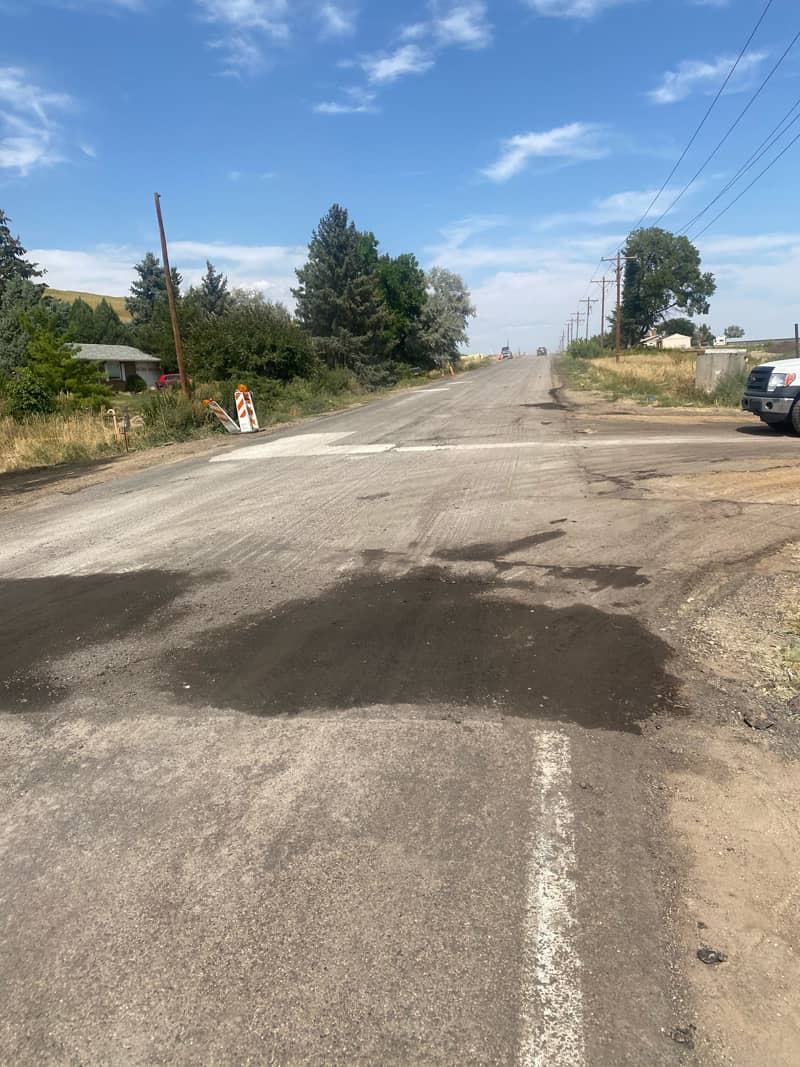
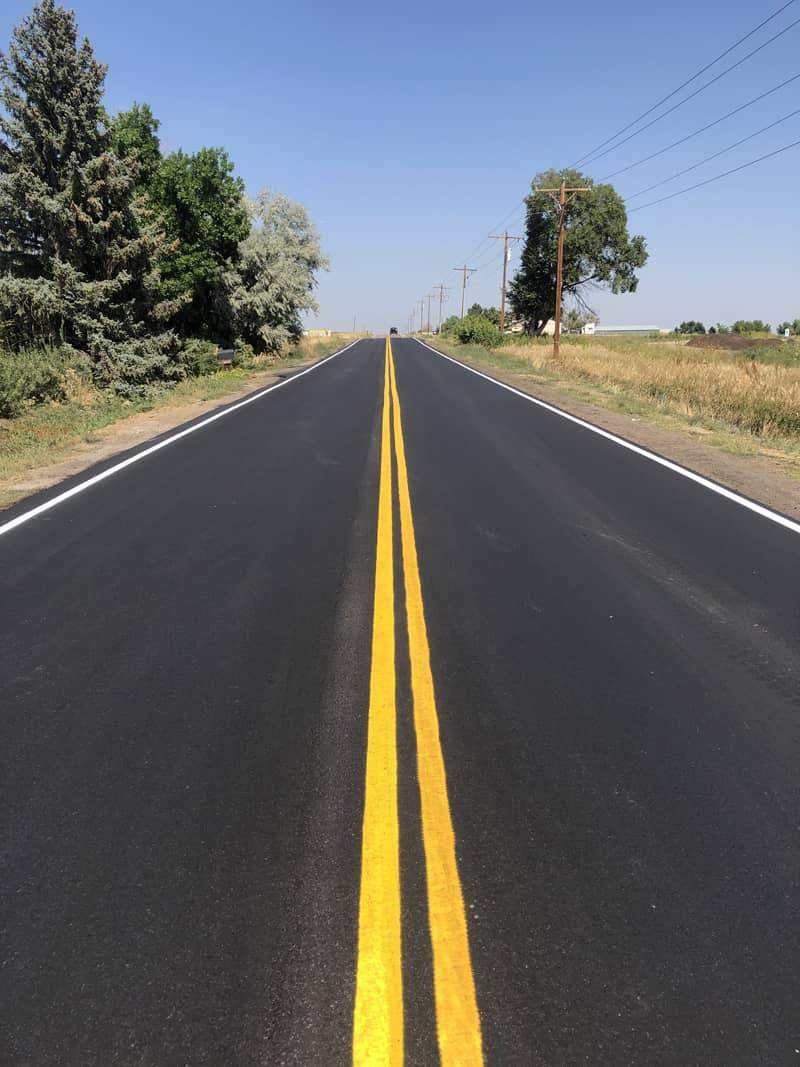
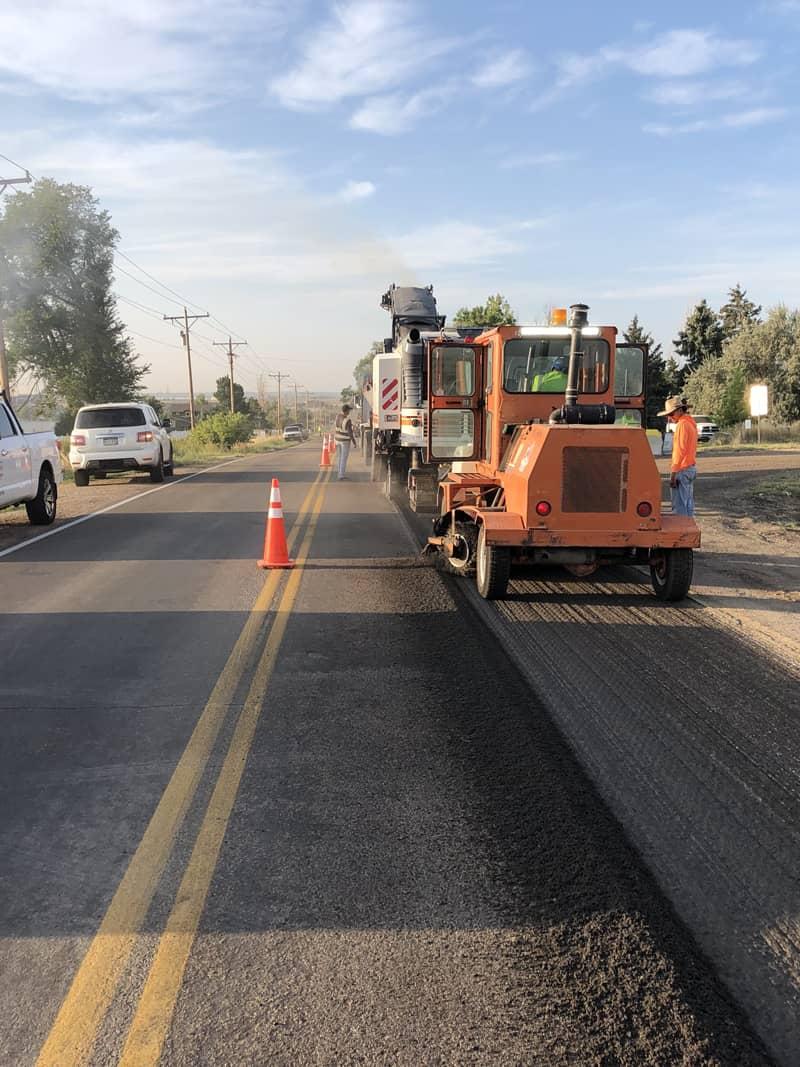
Here’s a Mill and Overlay project in Thornton completed by Colorado Pavement Solutions. This section of Weld County Road 7 had a lot of utility patches performed which gave the road a rough ride, so we milled 2-inches off and overlaid 2-inches of fresh asphalt. We did about 650 feet of length of this road in one day to minimize impact to the motoring public.

Our team completed the following improvements:

  • Milling of asphalt at a 2-inch depth
  • Overlay of 2-inches with fresh asphalt
  • Fresh striping of the newly installed asphalt

When to Mill and Overlay a Parking Lot

When to Mill and Overlay a Parking Lot

If you own or manage a parking lot or other parking structure – it’s up to you to maintain it. A good parking lot is free of giant cracks, is well marked, and gives the lot’s visitors a smooth, drivable surface. Unfortunately, even if you do your best to maintain your asphalt parking lot it will eventually wear out and need to be repaired or replaced.

When it’s time to resurface or repave your lot, property managers have a few options but mill and overlay is one of the most cost-effective ways to revamp your asphalt. Let’s learn when to mill and overlay a parking lot including what a mill and overlay is and why mill and overlay is one of the smartest repaving options.

What is a Mill and Overlay?

The mill and overlay consist of milling one to two inches of previous asphalt and overlaying fresh asphalt on top of the milled surface.

Milling a Parking Lot

Milling is achieved through mechanical means, namely an asphalt milling machine. Asphalt milling machines are designed to grind up one to two inches of old asphalt to prep the surface for an overlay. Milling machines vary from smaller machines meant for personal driveways to large-scale milling monsters that can chew up a 10-acre parking lot in no time.

Overlaying a Parking Lot

Overlaying is the process of coating the lot in a fresh layer of hot asphalt. A milled surface makes for an excellent base surface to keep your new asphalt looking great for years.

When to Mill and Overlay

When your lot has reached the end of its serviceable life, it’s time for a mill and overlay. If your lot is showing any of the following signs it’s time to talk to a professional about mill and overlay:

  • Faded, gray surface
  • Riddled with potholes and gouges
  • Numerous and large cracks
  • Drainage issues
  • Missing pieces of asphalt
  • Numerous ‘spiderweb’ formations

Why Not Just Overlay?

There’s a lot more work and equipment involved in a mill and overlay compared to a direct overlay, so why wouldn’t you simply pour fresh asphalt over your old? For many reasons:

  • Building Code and Curbs – Curbs aren’t only there for decoration, they help partition the sidewalk from lot, help direct rain runoff, and must meet certain heights to match local building code. If you overlay over your existing lot, you decrease curb height which could cause code issues in your lot.
  • Disrupting the Flow – If your lot was poured correctly it’s designed to move storm water and other debris away from main areas into runoff areas. If you overlay your parking lot without milling, you can disrupt the natural draining process of your lot and no lot visitor likes to navigate floods and puddles.
  • Bad Base – You can only see the top layer of asphalt, but all the other hidden layers protect the asphalt’s integrity. If these hidden layers are old and filled with cracks, they won’t serve as a particularly good base. Milling provides an even, prepared base for fresh asphalt to live on. Without a solid base your new asphalt is likely to suffer from surface cracks and premature aging.
  • ADA Compliance – The American with Disabilities Act (ADA) dictates curb heights, ramp heights, and other factors that are calculated and followed during the initial asphalt installation. An overlay can compromise ADA access and could result in a fine and poor access for any differently abled customers.

Benefits of Mill and Overlay for Property Owners

  • Affordable – Mill and overlay is much more affordable than a total replacement with a serviceable life almost as close. If the base of your asphalt is in good condition, you only need an affordable mill and overlay.
  • Practical – While a mill and overlay won’t provide the same warranty as a brand-new lot, it cost much less than pulling up the entire lot and starting from scratch. Most lot owners only need to do a full replacement if there are severe drainage issues or if the base has become compromised.
  • Longevity – A mill and overlay will last much longer than an overlay alone. You can expect a mill and overlay lot to last anywhere from 10 to 15 years with regular maintenance.
  • Convenient – Bulldozing out fresh dirt, carefully designing and shaping a lot, and pouring all new materials is a labor and time drain – but a mill and overlay is much quicker. Most mill and overlay companies can have your lot milled, overlaid, and ready for traffic in as little as 1-2 days.
  • Looks Great – Your asphalt parking lot is the first impression of your property. With a mill and overlay your lot’s visitors can enjoy a beautiful new blacktop.

Hiring a Mill and Overlay Contractor Today

Don’t wait while your parking lot ages into crumbles or damages someone’s vehicle, schedule a contractor to look at your lot today. Colorado Pavement Solutions can examine your lot and give you a quote free of charge. With a fresh mill and overlay you’ll have a beautiful parking lot that looks great and takes care of all visitors.

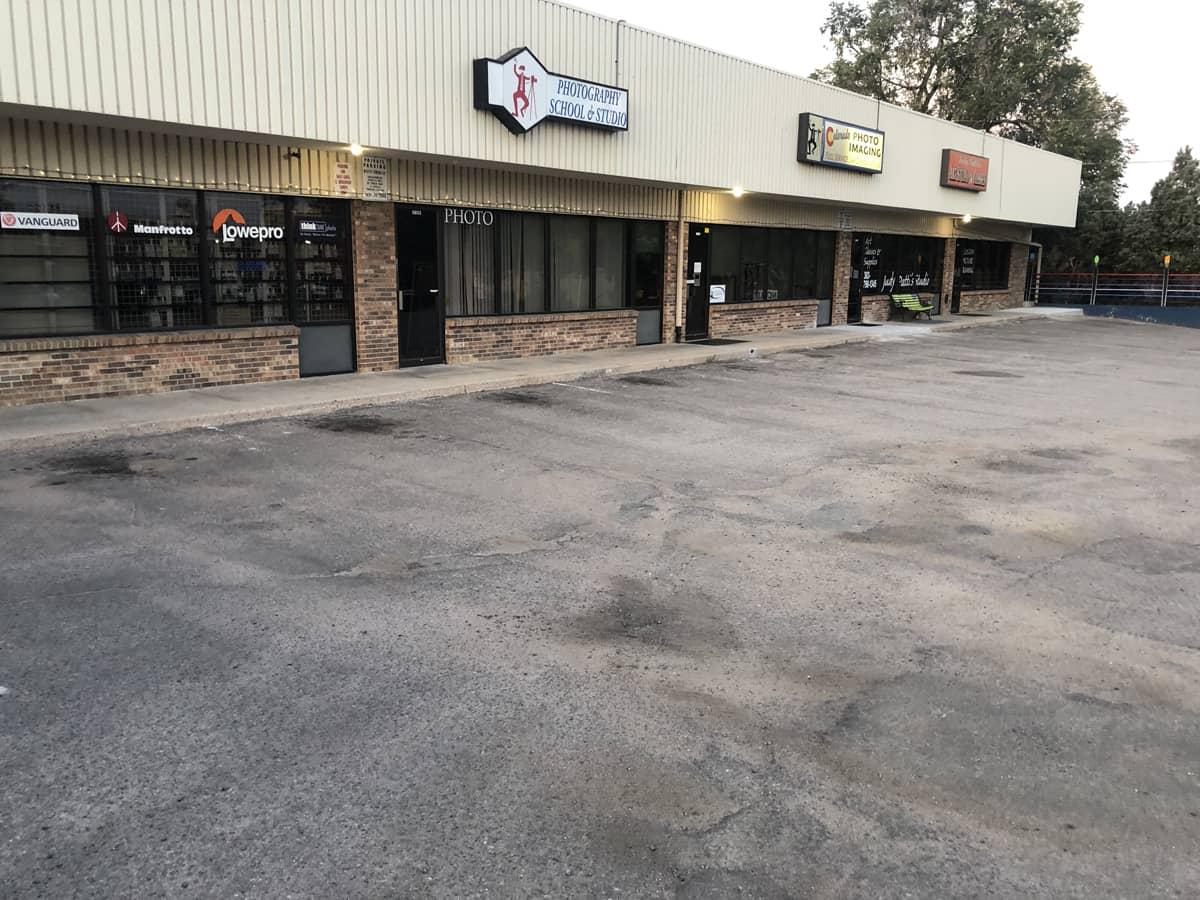
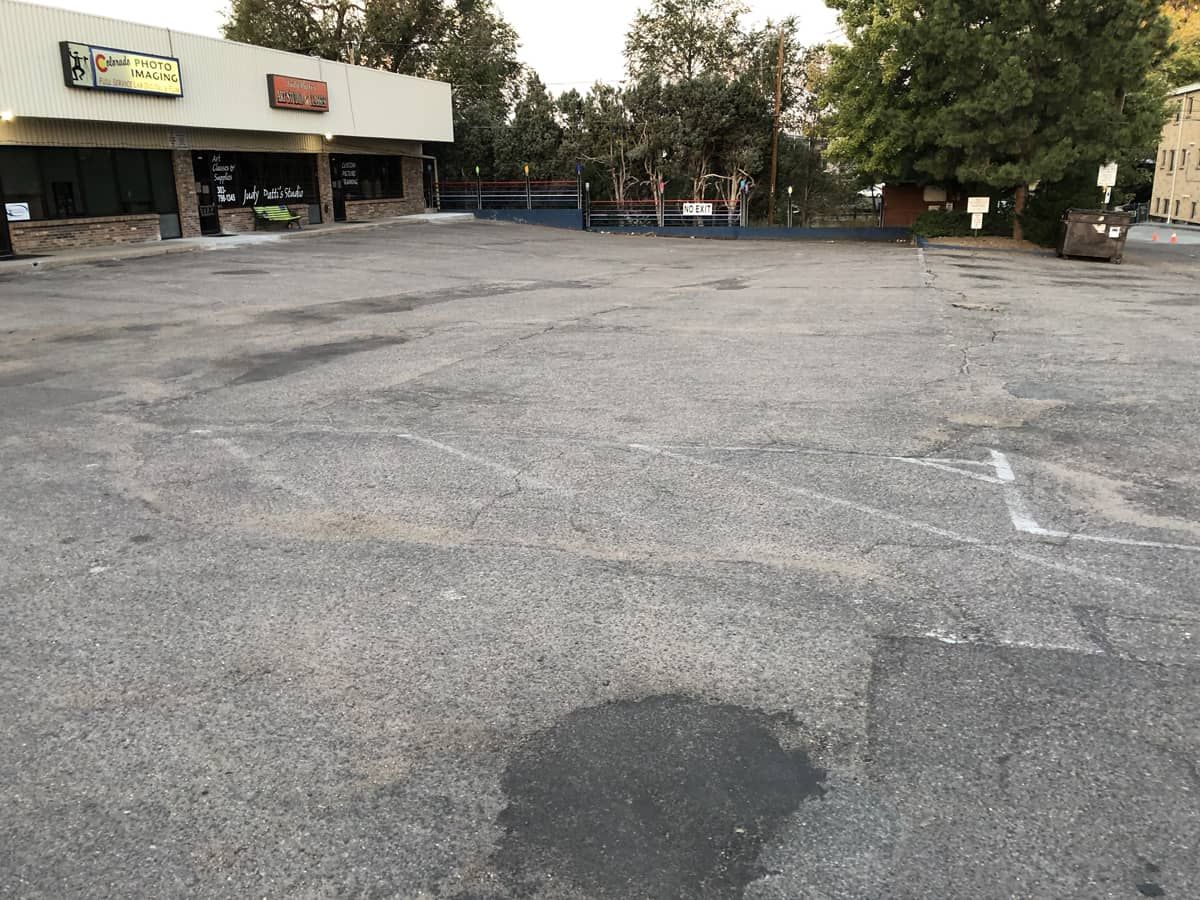
Artist Studio Regrade and Repave – Lakewood, CO

Artist Studio Parking Lot Replacement – Lakewood, CO

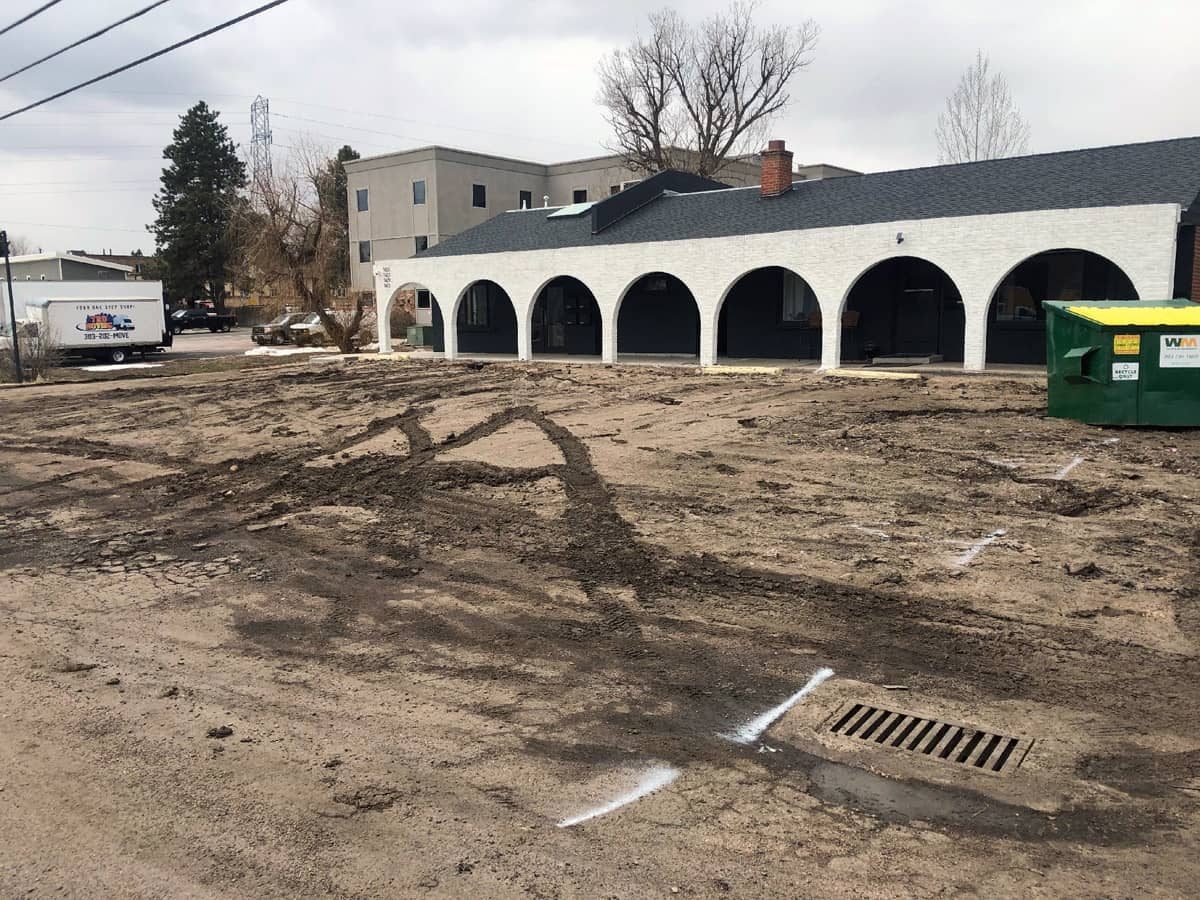
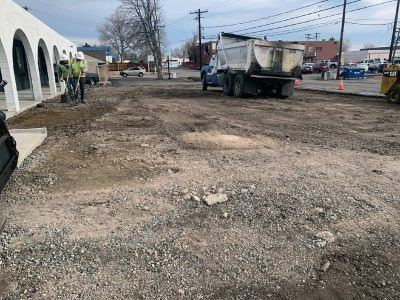
This is an artist studio that had a completely failed asphalt parking lot after undergoing building renovations and the subsequent construction. Colorado Pavement Solutions removed the existing asphalt, regraded the entire parking lot, paved 4″ of new hot-mix asphalt, installed 7 auto stop parking blocks and re-striped a new layout. It took half a day to regrade the lot and one full day of paving. CPS met the customer’s deadline and everyone was happy.

Our team completed the following improvements:

Asphalt Stabilization

Asphalt Stabilization

Not to insult the state of Colorado – but its soil is cruddy. Colorado is home to brutal winds, active geological events, ice, and much more. All those elements take their toll on Colorado’s topsoil which creates unique challenges from installing gardens to laying down new asphalt.

When installing or replacing asphalt you need proper soil and a proper base which usually doesn’t exist on its own in Colorado. For the proper asphalt pour you need a base that’s strong, drains correctly, and has the right consistency. Asphalt and concrete contractors like our crew at Colorado Pavement Solutions (CPS) get the right base through asphalt stabilization.

Let’s learn more about CPS’s asphalt stabilization process including its importance and what types of techniques are used to create the perfect base for asphalt. You already know asphalt is engineered before it’s poured but let’s learn how the base is engineered too.

What is Asphalt Stabilization?

In simple terms, asphalt stabilization is the process of preparing a base for proper asphalt installation. In more complex terms, stabilization is permanently altering the physical or chemical composition of soils to enhance their natural capabilities. Asphalt stabilization involves both physical and chemical means to improve the soil and surface of the area being used for asphalt.

Physical Asphalt Stabilization

Physical stabilization uses good-old fashioned elbow grease (and some pro tools) to prepare the base for asphalt. Asphalt contractors use several types of tools including jackhammers, steamrollers, tampers, pavement shredders, and more to break up soil, compact it, or shake it into settling.

During many replacements, a portion of the previous asphalt is left behind, crushed, then mixed with aggregate and fresh asphalt to create a new stable base that recycles some of your previous pavement.

Chemical Asphalt Stabilization

Chemical stabilization is using additives like lime or cement to further strengthen an area before pouring new asphalt. Additives mix with natural clay and other components in the soil to start a chemical hardening process that will keep your base solids for years. Paving professionals don’t always use chemical stabilization but will if it will helps build a better base.

The CPS Asphalt Stabilization Process

  • Testing and Planning – Laying asphalt is a carefully engineered and planned process. That process begins with site soil testing and other methods. Once CPS knows what they’re up against, we can decide on the best next steps.
  • Pulverizing – Portions of previous asphalt are normally left behind as substrate for the new base. How much previous asphalt depends on the job, types of soil present, and goal of the finished product.
  • Compaction – CPS uses steamrollers, compactors, and other physical methods to move, shake, and smash the new base into place
  • More Testing – After the new base is stabilized CPS will perform more tests.
  • Ready for New Pavement – Once the base passes all stabilization measures and tests, you’re ready for new asphalt.

What If You Don’t Stabilize Asphalt?

You can’t dump asphalt on a flat surface and hope that everything works out. If you don’t stabilize the base your asphalt will face many issues including:

  • Minor and major cracking – A poor base will encourage cracks to form quickly instead of years down the road. With poor stabilization you might see major cracks running the length of your new pavement or dozens of small cracks.
  • Sunken asphalt – Portions or whole slabs can sink if not stabilized properly. In some cases, you can push concrete slabs back into place but that’s difficult with asphalt. Sunken asphalt creates hazards for people, vehicles, and will need to be replaced immediately.
  • Chipping at edges – Poorly poured asphalt will chip and fall apart at the edges when those edges should remain strong for years. A properly stabilized base provides the support the edges and borders of your asphalt needs.
  • Potholes – Potholes are a major pain to deal with and can quickly create angry visitors. If your asphalt professional doesn’t create a good base, you’ll be filing in potholes all year.

If you hire the cheapest bidder to pour your asphalt you’re paying for a cheap stabilization and a poor overall job. Only hire a certified contractor like CPS or you could be re-doing the entire job much sooner than you want to.

Using Local Companies for Stabilization

Hiring an experienced local contractor for asphalt is important for many reasons but one not talked about is local company’s familiarity with local soil. Colorado is home to several types of soils and substrates which takes a local hand with years of experience to judge correctly. It’s easy to hire a large paving conglomerate for the cheap price but without tons of local experience you’re unlikely to get a good, finished job.

If you need help with your asphalt parking lot or know it’s time to replace, give CPS a call today. We’ll put our years of experience together to thoroughly test, stabilize, and give you a perfect finished product.

Life Cycle of Asphalt and Concrete

Life Cycle of Asphalt and Concrete

Did you know that concrete poured into the Hoover Dam in 1935 is still curing today? Both concrete and asphalt are more complex than they appear on the surface including their usable life cycle.

If you’re planning a commercial asphalt or concrete installation you need to plan weeks, months, and even decades ahead to choose the right material for serviceable life, needs, and price. A big part of that planning is determining the life cycle of asphalt and concrete, so you know which one is right for you.

Let’s learn about the life cycle of asphalt and concrete so you know what can get you more years, what you can expect of different materials, and how to get help choosing the right paving material. With the right pavement at the right price, you’ll get the right lifetime.

Life Cycle of Asphalt

The Formulation

The formulation is the beginning of asphalt’s life cycle. Commercial asphalt comes in different blends that use varying formulations of asphalt, aggregate, and supplements. On the low-end you have ‘cheaper’ formulations that will last around 5 to 15 years up to premium blends that can last upwards of twenty-five years. Once the formula is decided on the materials are hot mixed and loaded onto an asphalt truck for the pour.

The Pour

The next step in the life cycle is the pour. An experienced concrete contractor will excavate, clean, reinforce and prepare the site for the pour. The more care that’s taken in the pour, the longer your serviceable life will be. If you hire a reputable contractor there will not be large differences in serviceable life – it will be poured the right way.

The Maintenance

Asphalt that’s properly maintained can last upwards of 5 to 10 years longer than asphalt left to the elements. Proper maintenance including keeping debris off, cleaning oil stains, and regularly re-sealing can keep your blacktop looking and performing great for years longer.

The Environment

The environment plays the biggest tole in asphalt’s life cycle. Exposure to wind, sun, and ice will all age asphalt and the more exposed the asphalt is, the shorter its life will be. The best thing you can do against the environment is sealing your asphalt.

The Rest of the Cycle

After it’s poured your asphalt takes 6 to 12 months to fully cure and will then be at its toughest. With a good formulation and good care asphalt lasts around 15 to 25 years.

End of Asphalt’s Life

If your asphalt is showing the following signs, it has reached the end of its life cycle:

  • Numerous spiderweb cracks
  • Large scale cracking
  • No luster (graytop)
  • Retaining water
  • Crumbling
  • Full of pits and pockmarks
  • Is easily damaged

When is Asphalt Ready for Use?

Hot melt asphalt is generally ready for foot traffic in as little as 24 hours and vehicle traffic in 2-3 days. When asphalt is ready depends on many factors so always play it slowly when opening new asphalt for use.


Life Cycle of Asphalt

The Formulation

Modern concrete is a combination of cement, substrate like sand and gravel, and water. Different amounts of fillers and substrates make for different qualities and serviceable life. Better combinations last longer than others so get with a concrete contractor to choose the best formula for your project.

The Pour

A professional pour is the only way to pour concrete. Concrete engineers use math, chemistry, and their expertise to craft the perfect re-enforcement and perfect pour. Hiring a cheap contractor will lead to a shoddy pour and lower lifetime.

The Maintenance

Concrete generally doesn’t require as much maintenance as asphalt but should still be kept clean, regularly inspected, and resealed if you’re using sealed concrete. Check everything off by having a concrete contractor visit your lot for inspection and maintenance recommendations once yearly.

The Environment

Like asphalt, concrete’s lifetime is drastically influenced by the environment its installed in. Concrete poured in a shady corner away from drainage will last longer than concrete left to the sun and traffic all day. Think about what type of exposure and traffic your concrete will face to choose the best pour.

The Rest of the Cycle

Concrete never really ends its lifecycle and cures indefinitely. The concrete road outside your house poured twenty years ago is curing right now. Concrete never fully cures but cures enough for our purposes after a few days to a week.

End of Concrete Life

If your concrete is showing the following signs, it has reached the end of its life cycle:

  • Easily damaged
  • Looks dull
  • Numerous small cracks
  • Large cracks
  • Pits and pockmarks
  • Concrete becoming loose
  • Slabs forced out of place

When is Concrete Ready for Use?

Most concrete is ready for foot traffic after 48 hours and ready for vehicle traffic within 5-7 days. Don’t allow foot or vehicle traffic on your concrete until your contractor gives you the go-ahead.

Choosing the Right Asphalt or Concrete

Asphalt generally stops its active life cycle from the formulation to around 6 to 12 months after the pour but concrete lives forever. By knowing your concrete and asphalt and choosing a great asphalt and concrete contractor like Colorado Pavement Solutions you’ll get the best paving and life cycle at the best price. Give us a call today to talk paving life cycles and get your paving project started today.

Request Estimate